
Last updated October 17, 2026
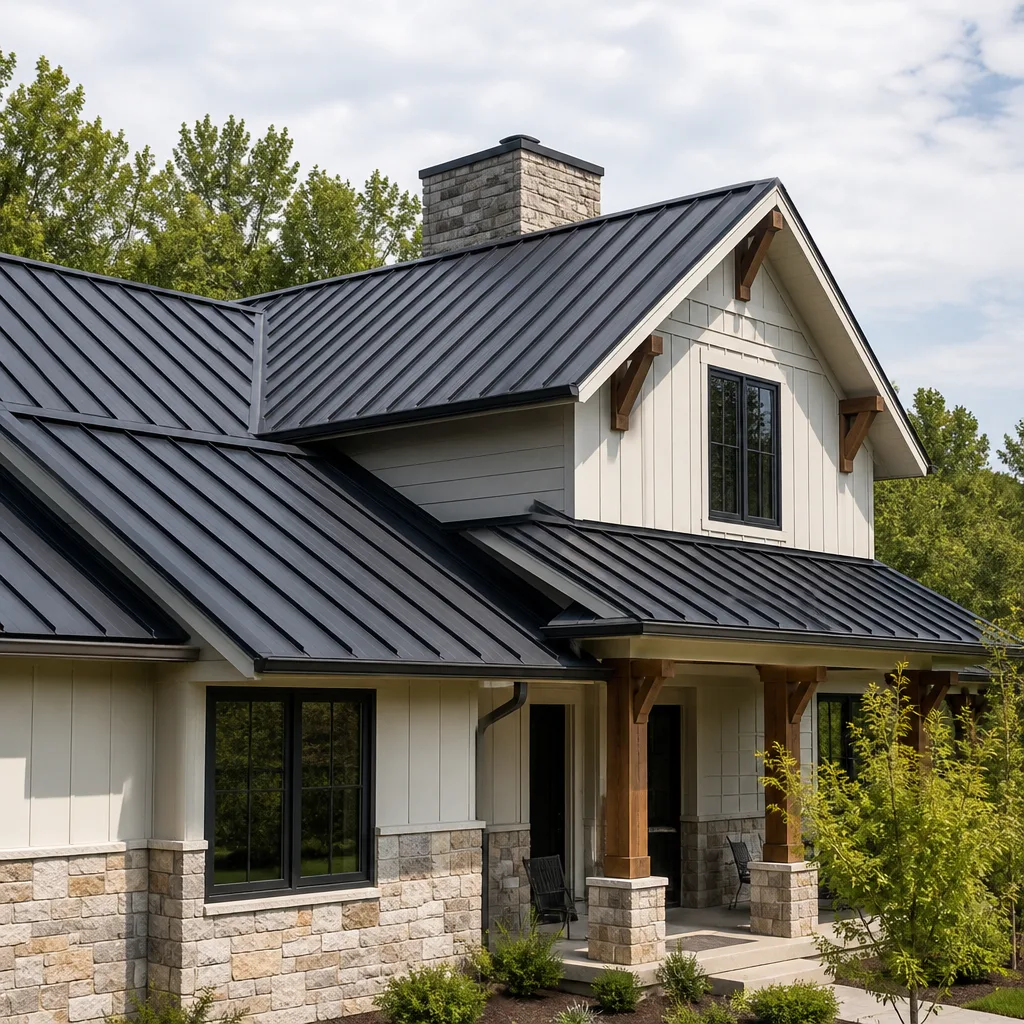 Metal roofing
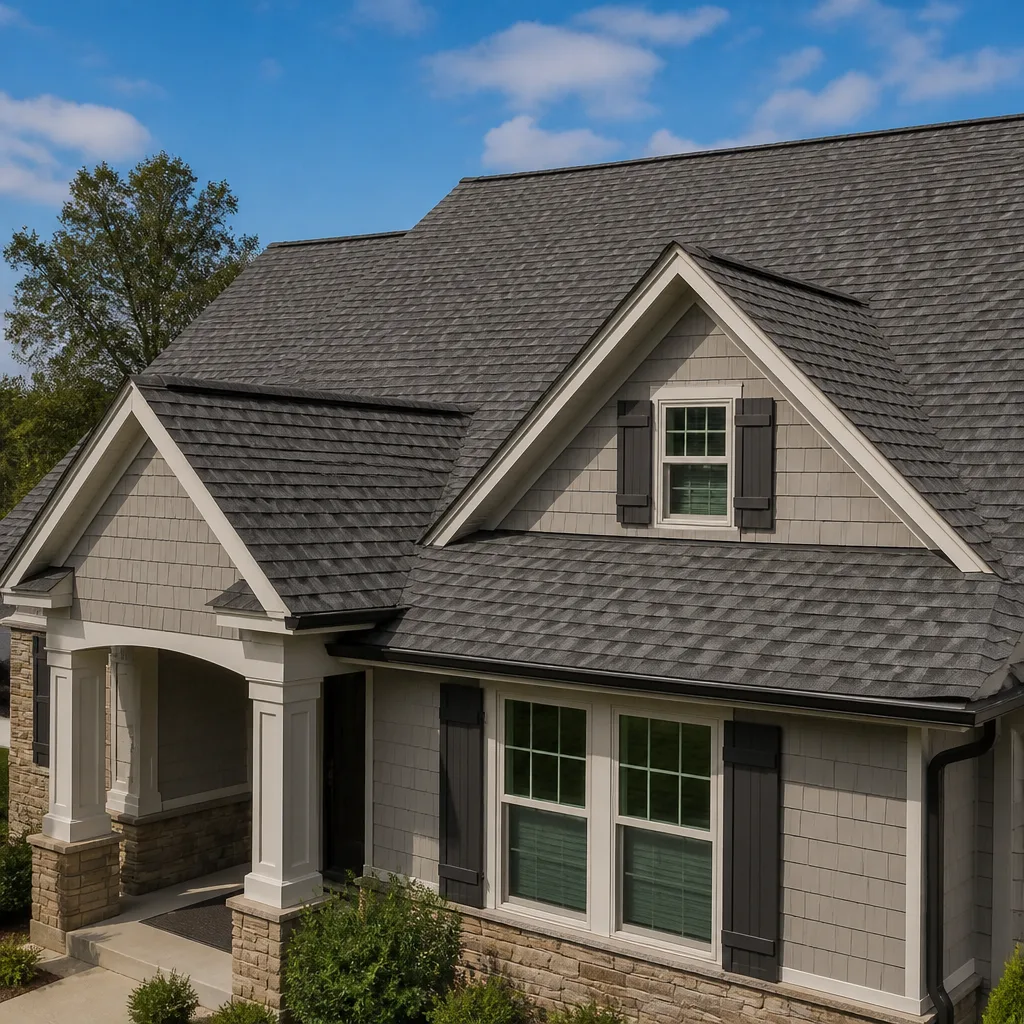 Architectural shingles
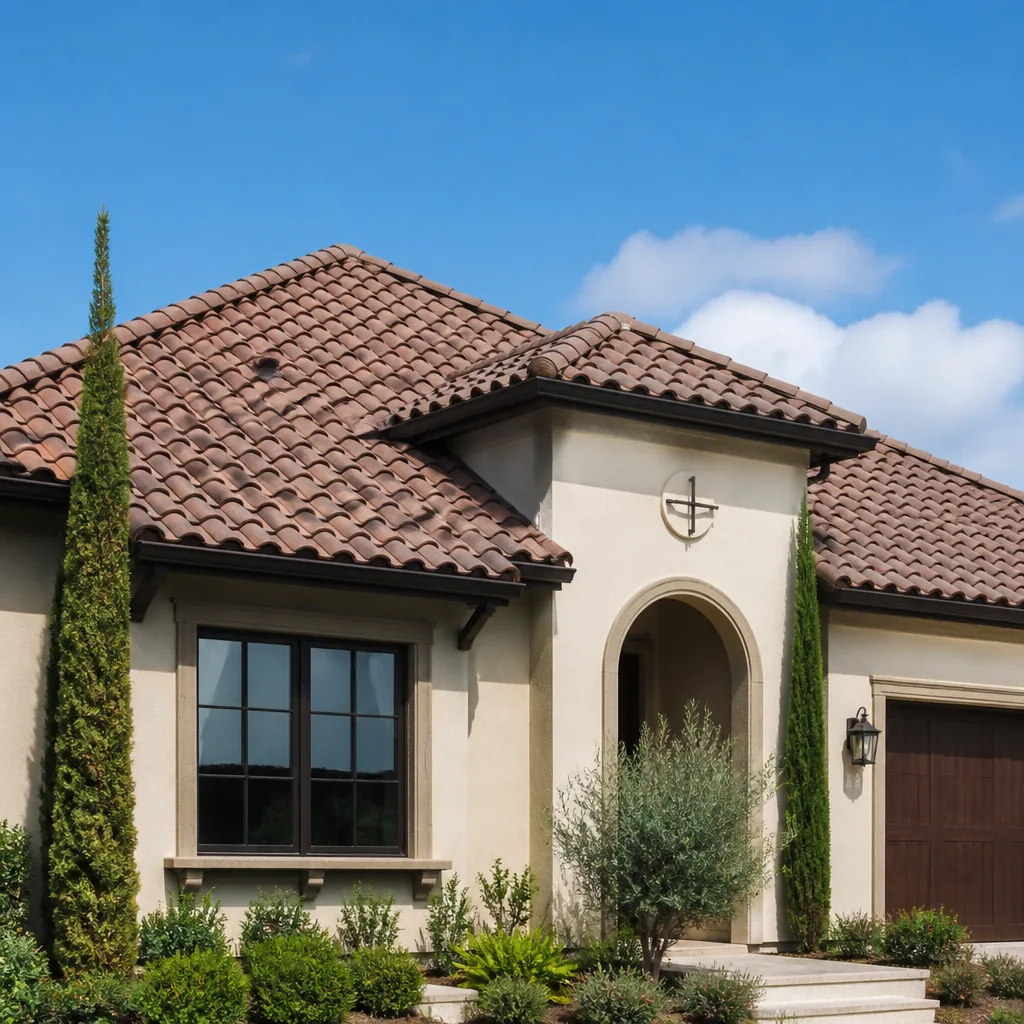 Tile roofing
 GAF
GAF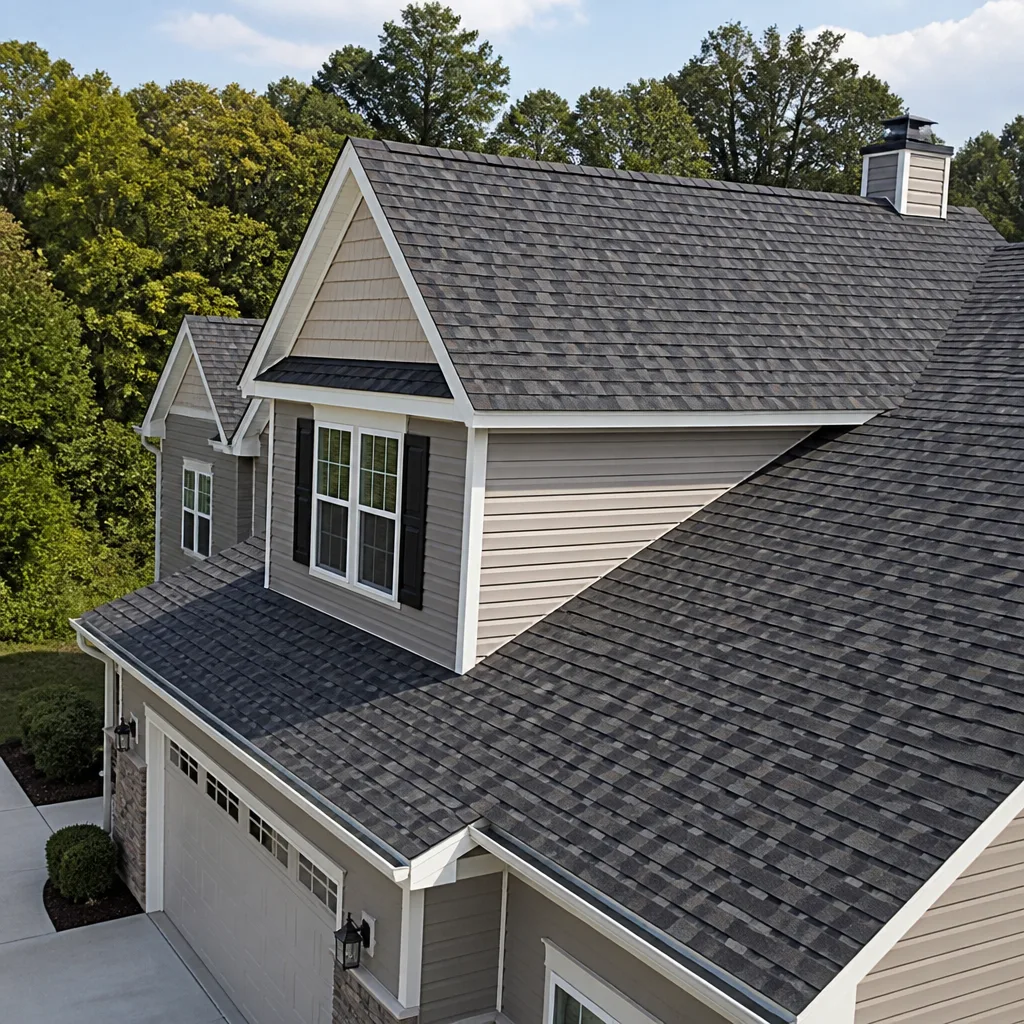 Owens Corning
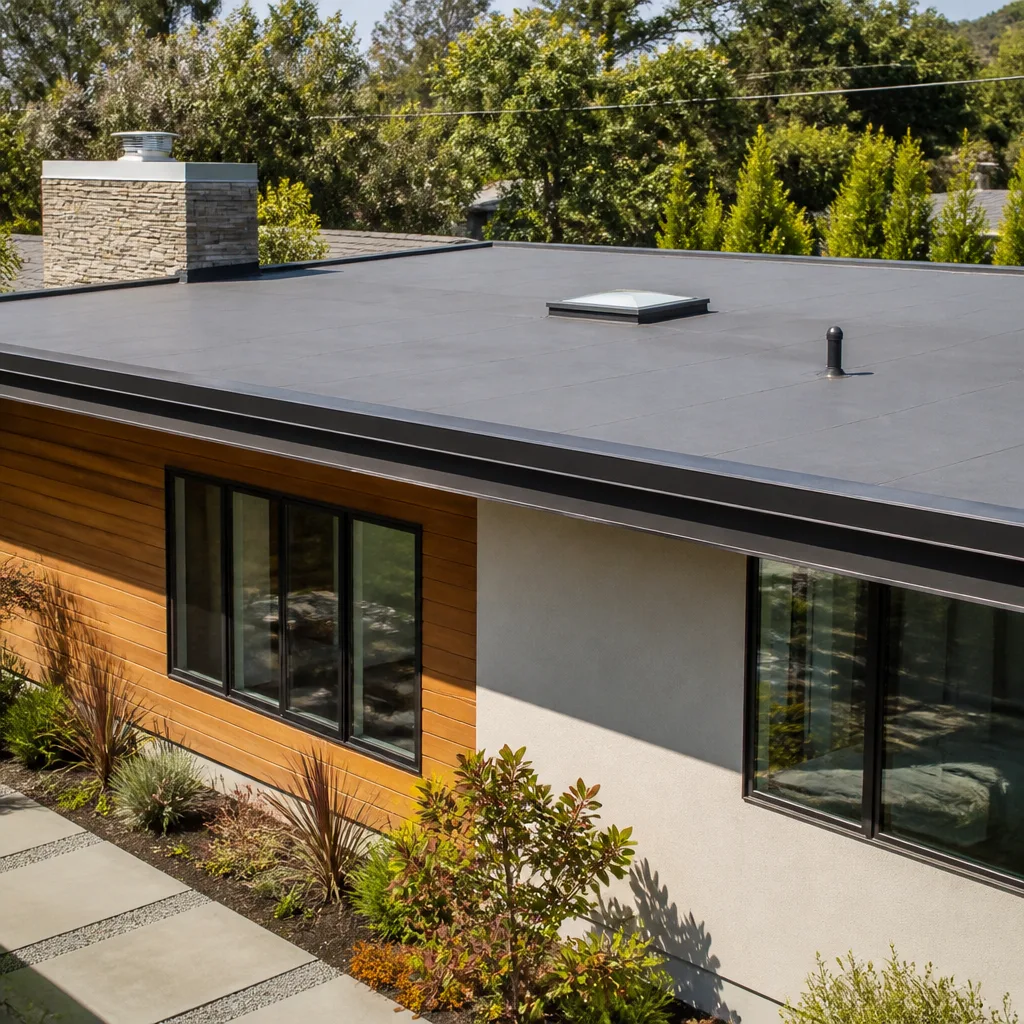 Flat & low-slope
Free roof inspection with deck photos before we talk money - GAF and Owens Corning certified installation
Roofing Cost Breakdown: The West Palm Beach Homeowner’s Reference for 2026
A $9,000 tile re-roof quote and a $16,000 tile re-roof quote for the same house in West Palm Beach can both be accurate. One contractor priced a 30-pound felt underlayment and called it a day. The other priced a peel-and-stick, self-adhered underlayment system that current Florida Building Code effectively requires in our wind zone. Neither explained the difference, so the homeowner was left comparing two numbers that weren’t comparing the same roof. This guide exists to fix that. You’ll learn what a roof actually costs in West Palm Beach in 2026, line item by line item, so you can read any estimate and know exactly what you’re paying for and what you’re not.
Styles & brands we work with
Quick Answer
Roofing replacement in West Palm Beach typically costs between $8,500 and $28,000 in 2026, depending on the roofing system. Concrete tile re-roofs run $14 to $22 per square foot, asphalt shingle (where permitted) runs $4.50 to $7.50 per square foot, and low-slope membrane systems run $7 to $12 per square foot. The single largest variable in any Florida quote is the underlayment specification, which can swing a bid by $3,000 to $8,000 on the same house.
Table of Contents
- Why Two Quotes for the Same Roof Can Be $7,000 Apart
- 2026 Cost Ranges by Roofing System in West Palm Beach
- Underlayment: The Biggest Variable in a Florida Re-Roof Quote
- Legitimate Add-On Costs vs. Upsells That Inflate Your Bid
- How to Read a Line-Item Estimate (And What to Ask When There’s No Breakdown)
- How Insurance Claim Payments Affect Your Out-of-Pocket Cost
- Permits, Code, and What West Palm Beach Inspectors Will Check
- Common Mistakes to Avoid
- When to Call a Professional
- Frequently Asked Questions
- The Bottom Line
Why Two Quotes for the Same Roof Can Be $7,000 Apart
Most homeowners assume the gap between roofing bids comes down to one contractor padding profit and another trimming margin. Sometimes that’s true. More often in West Palm Beach, the gap comes from two roofers specifying different materials for the same house and neither one explaining why. What looks like a price difference is usually a specification difference.
Here’s what changes between quotes:
- Underlayment type: Felt, synthetic, or peel-and-stick. This is the largest single variable, and we cover it in depth below.
- Fastening pattern: Florida Building Code sets minimum nail patterns for high-velocity hurricane zones. More fasteners means more labor and a higher quote. The cheaper bid may be using the minimum for a non-HVHZ zone. That’s a problem if your home is in the HVHZ.
- Decking replacement allowance: A quote that includes $1,800 for rotted plywood replacement will be higher than one that says “deck replacement as needed, billed at $X per sheet.” The second quote is not cheaper. It just moved the cost to a change order.
- Drip edge and flashing detail: Code-compliant drip edge at eaves and rakes costs more than omitting it. The cheaper quote may be omitting it.
- Tear-off layers: Two layers of old roofing cost more to remove than one. A quote that assumes one layer is lower today and wrong tomorrow.
- Warranty depth: A manufacturer’s full system warranty requires all components from the same manufacturer. Mixing brands voids it. A quote that specifies a full GAF or CertainTeed system will be higher than one that mixes a bargain underlayment with a name-brand tile.
When someone hands us a competing bid in West Palm Beach and asks us to match it, our first question is never “what’s the price.” It’s “what’s the underlayment, what’s the fastening schedule, and what did they write for deck replacement.” That question alone usually explains the spread. Our roofing company in West Palm Beach writes every specification on paper before any work starts, so there’s nothing to guess about.
2026 Cost Ranges by Roofing System in West Palm Beach
Here are the real numbers for West Palm Beach in 2026. These ranges reflect what we’re seeing on bids across the county, from Flamingo Park to Ibis, from El Cid to RiverWalk. They include material, labor, tear-off of one layer, underlayment at code minimum, and permit fees. They do not include deck replacement, which is impossible to price before the old roof comes off.
| Roofing System | Material Cost Range | Labor Cost Range | Typical Total per Sq Ft | Typical Total for 2,000 Sq Ft Home |
|---|---|---|---|---|
| Concrete tile (flat profile) | $6.00 – $9.50 | $5.50 – $8.50 | $11.50 – $18.00 | $23,000 – $36,000 |
| Concrete tile (barrel profile) | $7.50 – $11.00 | $6.50 – $9.50 | $14.00 – $20.50 | $28,000 – $41,000 |
| Clay tile (imported) | $12.00 – $18.00 | $7.00 – $10.00 | $19.00 – $28.00 | $38,000 – $56,000 |
| Architectural asphalt shingle (where permitted) | $2.50 – $3.75 | $2.50 – $3.75 | $5.00 – $7.50 | $10,000 – $15,000 |
| Standing seam metal (26-gauge) | $8.00 – $12.00 | $7.00 – $10.00 | $15.00 – $22.00 | $30,000 – $44,000 |
| TPO membrane (low-slope) | $3.50 – $5.00 | $3.50 – $5.00 | $7.00 – $10.00 | $14,000 – $20,000 |
| Modified bitumen (low-slope) | $3.00 – $4.50 | $4.00 – $5.50 | $7.00 – $10.00 | $14,000 – $20,000 |
These are price-per-square-foot numbers. A roofing square is 100 square feet. When a contractor says “we’re at $1,400 a square,” that means $14 per square foot. When a roofer quotes in squares and you’re thinking in square feet, you’ll misread the bid by a factor of 100. It happens all the time.
For context, West Palm Beach homes built before the 1990s often carry concrete tile on a roof deck designed for it. Homes built in the 2000s in developments like Andros Isle or the Preserve at Bay Hill frequently use architectural shingle where the HOA or original builder permitted it. Low-slope membranes show up on mid-century flat roofs in neighborhoods like Southland Park and on additions and carports throughout the city. Knowing your system matters because the cost math changes completely from one to the next.
Underlayment: The Biggest Variable in a Florida Re-Roof Quote
Here’s the thing most roofing guides won’t tell you straight: in Florida, your underlayment matters more than your tile or shingle. The tile on a West Palm Beach roof is not your waterproofing. It’s your first line of defense against wind and sun. The underlayment is your waterproofing. If water gets past the tile or shingle, the underlayment is what keeps it out of your house. That’s why Florida Building Code is specific about what qualifies, and why the underlayment spec drives the bid more than any other single line item.
The three underlayment options you’ll see in West Palm Beach quotes:
- 30-lb felt (ASTM D226): The old standard. Still legal in some applications but increasingly rare in our market because it tears easily during install, wrinkles under tile, and degrades faster than synthetics. It’s cheap. There’s a reason.
- Synthetic underlayment: Woven polypropylene or polyethylene. Lighter, stronger, lays flatter, and rated for longer UV exposure than felt. Costs roughly 30 to 50 percent more than felt. Now the common baseline for quality work in West Palm Beach.
- Peel-and-stick / self-adhered (SA) underlayment: A rubberized asphalt membrane that seals around fasteners and adheres directly to the deck. Required in certain HVHZ applications and increasingly specified by insurers. Costs two to three times what felt costs and roughly double what synthetic costs. On a 3,000 square foot roof, moving from felt to peel-and-stick can add $3,500 to $6,000 to the bid. That’s not padding. That’s the material cost difference, and it’s the number one reason two quotes for the same house look wildly different.
In the High Velocity Hurricane Zone, which governs most of coastal Palm Beach County, the code’s intent is clear: the roof system must survive a design wind event without the underlayment peeling off the deck. Felt nailed at six inches on center doesn’t perform the way a self-adhered membrane performs. We’ve seen roofs in West Palm Beach where the tile blew off in a storm and the peel-and-stick underlayment kept the home dry for three weeks until the tile replacement crew arrived. That’s the difference, and it’s worth paying for.
What Florida Building Code Actually Requires
FBC Chapter 15 covers roofing. In the HVHZ (Miami-Dade, Broward, and coastal Palm Beach County), the code requires a minimum of one layer of ASTM D226 Type II felt, or an approved synthetic, or a self-adhered membrane, installed per the manufacturer’s evaluation report and the code’s fastening schedule. Most of West Palm Beach east of I-95 falls in the HVHZ. West of I-95, the requirements shift to the standard Florida Building Code provisions, which are still stricter than what you’d find in Georgia or Tennessee but not as strict as the coast.
Your roofer should know which zone your address falls in. If they can’t tell you off the top of their head, they’re guessing, and a guessed underlayment spec is how you end up with a roof that fails inspection. We specify underlayment by address. It’s part of writing a price in West Palm Beach that doesn’t move at the door.
Legitimate Add-On Costs vs. Upsells That Inflate Your Bid
Some add-ons are real. Your roof deck hides damage that no one can see until the old roof comes off. Code changes since your last roof mean new details required by current standards. Those costs are legitimate. Then there are upsells: line items that sound necessary, cost real money, and add nothing to the performance or code compliance of your roof. Here’s how to tell them apart in a West Palm Beach bid.
Legitimate add-ons you should expect to see:
- Deck replacement at $X per sheet: Rotted or delaminated plywood must be replaced before new underlayment goes down. A good quote prices this as a unit rate so you know exactly what you’ll pay if replacement is needed. Expect $75 to $110 per 4×8 sheet for removal and replacement in West Palm Beach.
- Drip edge upgrade to code: Current code requires drip edge at eaves and rakes. Older homes often lack it. Adding it is a legitimate code-compliance cost, typically $2 to $4 per linear foot installed.
- Additional tear-off layers: If your roof has two layers of existing roofing, removing both costs more. A quote that prices one layer and doesn’t mention a second is low for the wrong reason.
- Fascia or soffit repair: Rotted fascia boards discovered during tear-off need replacement. Like decking, this should be priced as a unit cost, not a surprise lump sum.
- Ventilation upgrades: If your attic is under-ventilated, adding ridge or soffit vents is a code and performance issue, not an upsell.
Upsells that inflate without adding code-required value:
- “Premium” underlayment that exceeds code but adds nothing for your situation: This is tricky because an upgraded underlayment can be worth it. But if you’re in a non-HVHZ zone and a roofer insists you need the same peel-and-stick spec as a home on Flagler Drive, ask why. There may be a reason. Or it may be margin.
- Roof coating “upgrade” on top of a new membrane: Some contractors offer to apply a reflective coating on a new TPO or modified bitumen roof. The membrane already has its own UV protection. Paying extra for a coat on day one is redundant.
- “Hurricane straps included” as a premium line item: Code requires roof-to-wall connections on any re-roof where the deck is opened. It’s not an add-on. It’s part of the job. If it’s listed as an optional upgrade, that’s a red flag.
- Whole-home “ventilation package” with no attic inspection: Legitimate ventilation work follows an attic inspection and measurement. A blanket ventilation upgrade priced without the roofer ever going in the attic is a sales tactic.
- Extended “labor warranty” sold as insurance: A third-party labor warranty can be legitimate, but read the exclusions. If the document is thinner than the sales pitch, you’re buying a piece of paper.
The rule of thumb we tell homeowners in West Palm Beach: any add-on should be tied to a code requirement, a specific defect discovered during inspection, or a performance goal the roofer can explain in two sentences. If the explanation takes five minutes and uses the word “package” more than twice, ask for the line item removed and the price reissued.
How to Read a Line-Item Estimate (And What to Ask When There’s No Breakdown)
A written estimate is either line-itemed or it’s lump-sum. In West Palm Beach, both are legal. Only one tells you anything useful. Here’s what a real line-item estimate looks like and what to do with the other kind.
What should be on the page:
- Tear-off: number of layers, total square footage, disposal fees
- Deck inspection and replacement: unit price per sheet
- Underlayment: manufacturer, product name, and fastening pattern
- Roofing material: manufacturer, product line, color, profile
- Flashings: number of pipe boots, chimney flashings, wall flashings, valley details
- Drip edge: linear footage and material
- Ventilation: ridge vent, soffit vents, or box vents with counts
- Permits: cost of the permit and who pulls it
- Warranty: what’s covered, for how long, and who backs it
When the quote is one number with no breakdown, ask this exact question: “Can you put the underlayment product, the fastening schedule, and the deck replacement unit price in writing?” How they answer tells you more than the price does.
A roofer who says “sure, I’ll email that over today” understands the game and has nothing to hide. A roofer who says “we can discuss it at the contract signing” or “trust me, we use good materials” is telling you something too. The number was built to be the lowest in the stack, and the details will arrive after you’ve committed.
We’ve seen this play out in neighborhoods all over West Palm Beach, from Grandview Heights to Banyan Lakes. The homeowner signs a lump-sum contract, the roof comes off, and suddenly there’s rotted decking that “wasn’t in the quote” and a change order for $4,700. That’s not how it should work. Our approach is the Brennan Roofing Co West Palm Beach home standard: the price goes on paper before any work starts, and the deck replacement rate is right there on page one. No surprises, no change orders, no door-shift.
For a deeper look at what a thorough evaluation should include before you ever see a price, our roof inspection in West Palm Beach walks through the process step by step.
How Insurance Claim Payments Affect Your Out-of-Pocket Cost
If you’re replacing a roof because of storm damage in West Palm Beach, your insurance policy determines what you actually pay out of pocket, not the roofer’s quote. Here’s how the math works, and where homeowners get surprised.
Actual cash value (ACV) vs. replacement cost value (RCV):
- ACV policies pay what your roof is worth today, after depreciation. If your roof is 15 years old and has a 25-year expected life, the insurer may depreciate it by 60 percent. On a $20,000 replacement, you’d get $8,000 and owe $12,000 out of pocket.
- RCV policies pay the full cost to replace, but in two stages. The first check covers the actual cash value. The second check, the depreciation holdback, comes after the work is complete and you submit proof. If you never do the work, you never get the second check.
The depreciation holdback explained: An adjuster approves a $22,000 roof replacement. Depreciation is $9,000. You get a check for $13,000. You hire a roofer, complete the job, and submit the final invoice. The insurer releases the remaining $9,000. Until then, the roofer may ask you to carry that amount. Some West Palm Beach roofers will work with you on the holdback. Others won’t. Ask before you sign.
What you’re responsible for regardless of coverage:
- Your deductible. In Florida, hurricane deductibles are often 2 to 5 percent of your home’s insured value, which can mean $10,000 to $25,000 on a $500,000 home. That’s your cost before insurance pays anything.
- Code upgrades not covered by your policy. Florida requires insurers to offer law-and-ordinance coverage, which pays for code-mandated upgrades during rebuilding. If you declined it, the cost of bringing the roof to current code is yours.
- Deck replacement if rot is found. Insurance covers storm damage, not deferred maintenance. If the deck is rotten beneath the damaged shingles, that portion of the repair may fall to you.
We tell every homeowner in West Palm Beach working through a claim: get the RCV and depreciation numbers from your adjuster in writing, then call us with those numbers. We’ll price the work against the claim so you know your true out-of-pocket before you sign anything. If a repair is needed instead of a full replacement, our roof repair in West Palm Beach work carries the same written-price standard.
Permits, Code, and What West Palm Beach Inspectors Will Check
A roof replacement in West Palm Beach requires a permit. No exceptions. If a roofer suggests skipping the permit to save money, end the conversation. An unpermitted roof creates problems when you sell the house, when you file a future claim, and when you need a certificate of occupancy for anything else on the property. The permit cost is built into a legitimate quote, typically $500 to $1,200 depending on the scope and the city’s fee schedule.
What the inspector will check on a West Palm Beach re-roof:
- Underlayment installation: Type, fastening pattern, lap details, and that it matches what was submitted on the permit application.
- Drip edge and flashing: Present at eaves and rakes, correctly lapped, and properly integrated with wall flashings and pipe boots.
- Fastener schedule: The number and placement of fasteners per tile or shingle, matched to the manufacturer’s evaluation report for the wind zone.
- Roof-to-wall connections: When the deck is opened, the inspector checks that the existing roof-to-wall straps or clips meet current code, or that new ones were added.
- Final water barrier inspection: In the HVHZ, there’s often a mid-roof inspection before the finish material goes on, so the inspector can see the underlayment and flashing detail.
We pull permits on every job and schedule inspections as part of the work. When an inspection fails, we fix it and reschedule. That’s what the permit process is for: a third-party check that the roof was built to the code your insurance company will ask about when the next storm rolls through. Skipping it saves a few hundred dollars today and costs thousands tomorrow.
Common Mistakes to Avoid
- Comparing two quotes without comparing specifications. A $14,000 bid and a $22,000 bid are not comparable until you know the underlayment, fastener schedule, and deck replacement terms in both. Asking for a spec sheet before comparing numbers is the single most useful thing a homeowner can do.
- Signing a lump-sum quote with no breakdown. If the price is one number and a handshake, you’re buying a surprise. Get the line items in writing, including the deck replacement unit rate.
- Choosing the lowest bid because it’s the lowest. In West Palm Beach, the low bid usually gets low by omitting something: underlayment downgrade, no drip edge, a single tear-off layer assumption, or a permit that never gets pulled. The lowest number is often the most expensive roof.
- Overlooking the warranty document. A verbal warranty is worth the paper it isn’t printed on. Get the guarantee in writing: what it covers, for how long, and what happens if the work fails. We put it in writing for one full year and return free if something isn’t right. If your roofer won’t do that, ask why.
- Waiting until the roof is actively leaking to start the process. A roof that’s showing its age in West Palm Beach is on a clock. Rotted decking spreads, underlayment fails, and the cost of the eventual replacement climbs. A roof inspection now costs a few hundred dollars. A deck replacement discovered during a repair costs thousands.
- Not understanding your insurance policy before the storm. If you don’t know whether you have ACV or RCV coverage, or what your hurricane deductible is, you’re making a big financial decision in the dark. Pull your policy, read the declarations page, and ask your agent the hard questions now, before a storm is in the Gulf.
When to Call a Professional
You should call a roofer when you see the Roofing Warning Signs: A West Palm Beach Homeowner’s Reference Guide symptoms like cracked or missing tiles, shingle granules in your gutters, water stains on your ceiling, or daylight coming through the attic deck. You should also call when your roof is 15 to 20 years old in the West Palm Beach climate and you haven’t had a professional assessment in three years. Sun, salt air, and hurricane winds age roofs faster here than they do inland. If you’re not sure whether you need a repair or a replacement, don’t guess. Brennan Roofing Co West Palm Beach offers free estimates in West Palm Beach. Call (728) 203-3066 and we’ll come out, get on the roof, and tell you what you’re looking at, with a written price before any work starts.
Frequently Asked Questions
A full roof replacement in West Palm Beach typically costs between $8,500 and $28,000 in 2026, depending on the system. Concrete tile runs $14 to $22 per square foot, architectural asphalt shingle (where permitted) runs $5 to $7.50 per square foot, and low-slope membrane runs $7 to $10 per square foot. Call (728) 203-3066 for an exact written quote on your home, free of charge.
The gap usually comes from different underlayment specifications, not profit padding. Moving from 30-lb felt to a peel-and-stick self-adhered underlayment can add $3,500 to $6,000 to a 3,000 square foot roof. Fastener schedules, deck replacement allowances, and drip edge details account for the rest. Ask each bidder to put their specification in writing and the gap will explain itself.
FBC Chapter 15 sets minimum underlayment requirements, and homes in the High Velocity Hurricane Zone (most of coastal Palm Beach County, including much of West Palm Beach east of I-95) are held to stricter fastening and material standards. Most quality re-roofs in West Palm Beach now use synthetic or self-adhered underlayment rather than 30-lb felt. Your roofer should verify your specific wind zone before quoting.
It shouldn’t, if the quote includes a written unit price for deck replacement and the tear-off count is accurate. A good estimate prices deck replacement at $75 to $110 per sheet so you know the exact cost if rot is found. If a roofer quotes one number and then hands you change orders after tear-off, the estimate wasn’t built honestly. Call (728) 203-3066 for a quote that’s written before any work starts and doesn’t move at the door.
A typical shingle re-roof on a 2,000 square foot home takes two to four days including tear-off, deck inspection, underlayment, and final material installation. Concrete tile takes four to seven days. Weather, inspection scheduling, and deck replacement can extend that. Your roofer should give you a schedule in writing.
Yes. Every roof replacement we do includes permit pulling and inspection scheduling as part of the job. We don’t do unpermitted work, because an unpermitted roof creates problems with insurance, resale, and code compliance down the line. The permit cost is included in your written price.
The Bottom Line
A roof in West Palm Beach is a code-driven purchase, not a commodity. The line items matter more than the bottom number. Underlayment specification, fastener schedule, deck replacement terms, and warranty depth determine both what you pay and what you get. The cheapest bid isn’t the cheapest roof when it omits the underlayment your wind zone requires. The most expensive bid isn’t overpriced when it includes a peel-and-stick membrane and a written one-year guarantee. Read the spec, ask for the breakdown, and don’t sign until the price is on paper in front of you.
Written by Travis Oakley, Owner at Brennan Roofing Co West Palm Beach, serving West Palm Beach since 2000.
See the difference
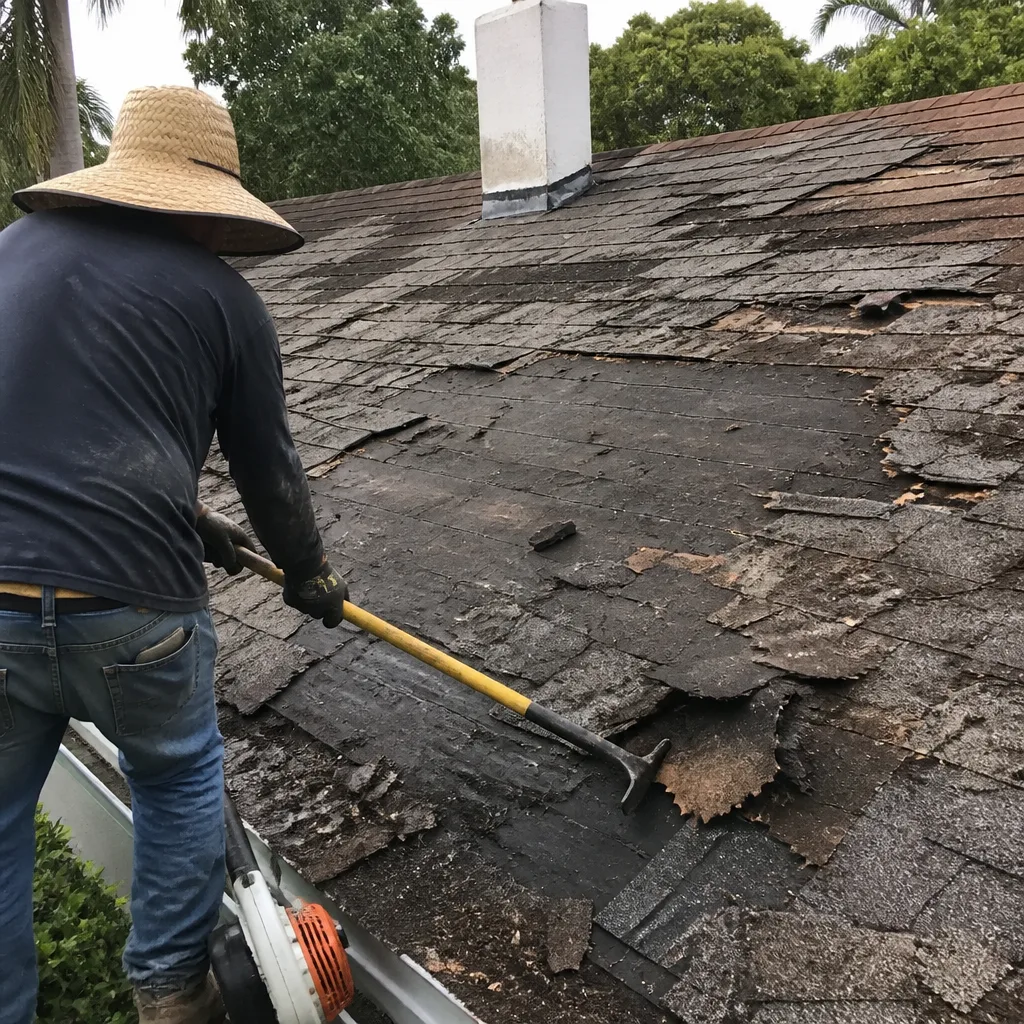 Before
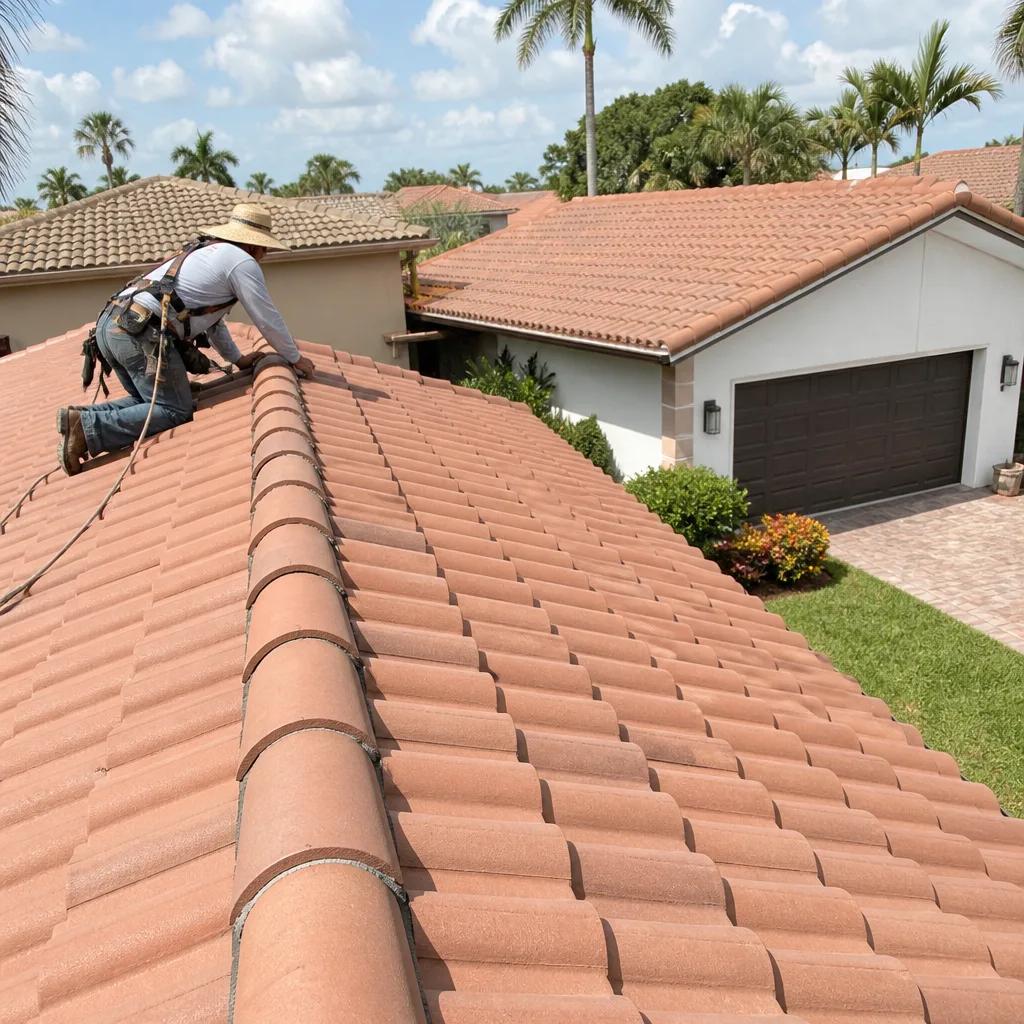 After
After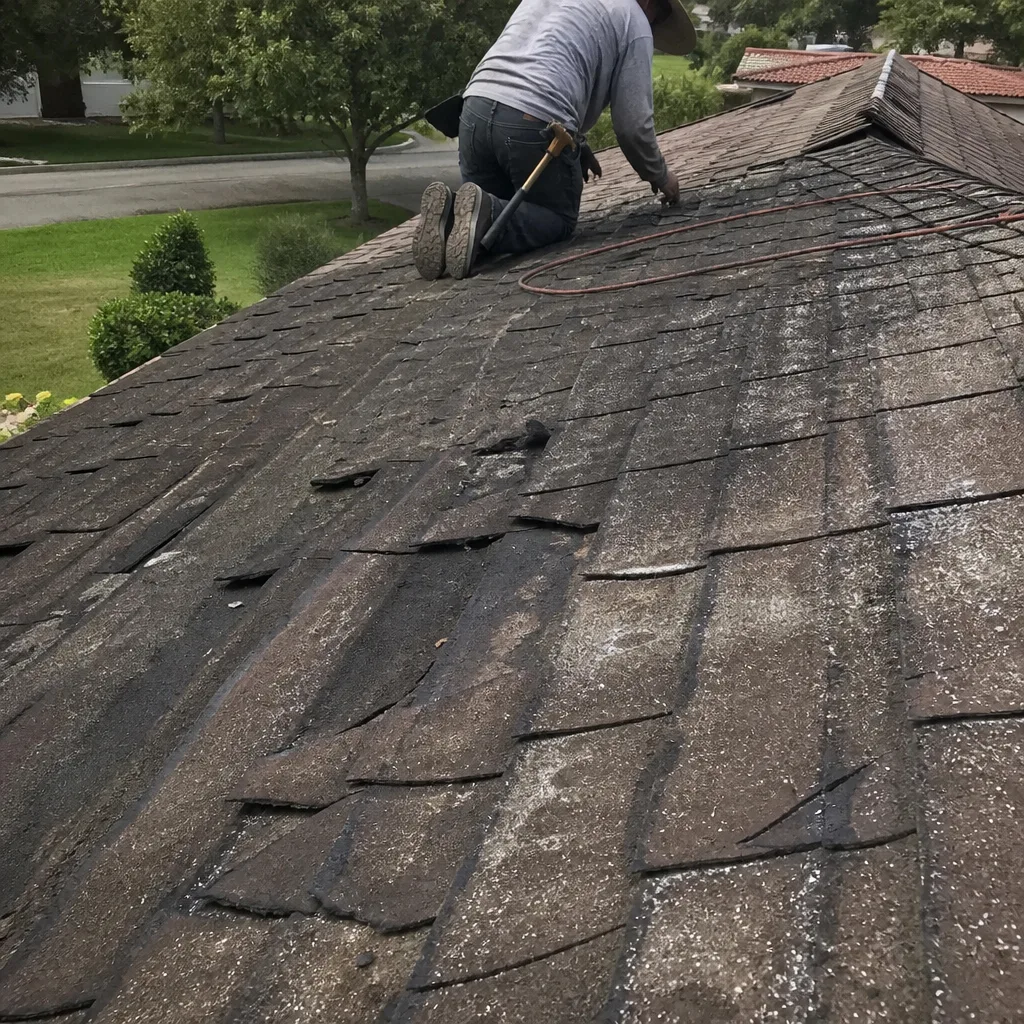 Before
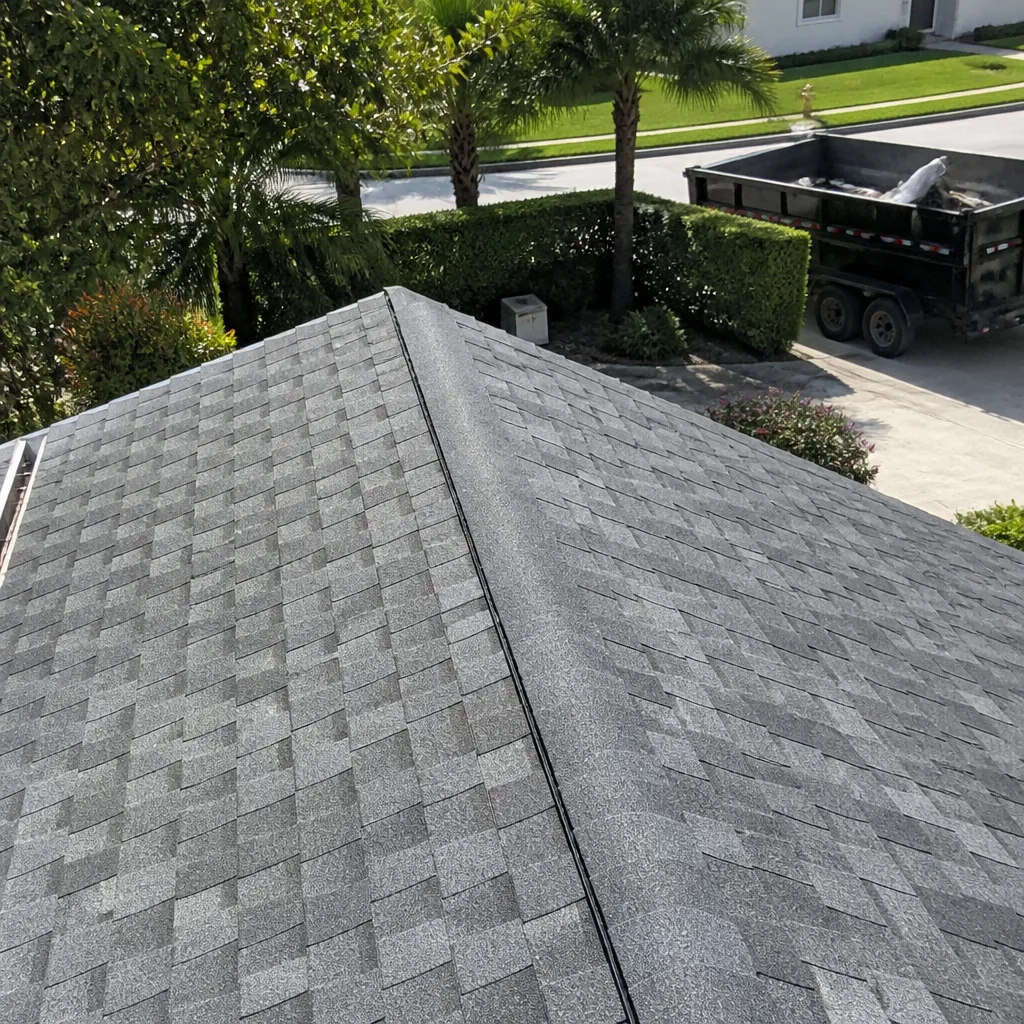 After
After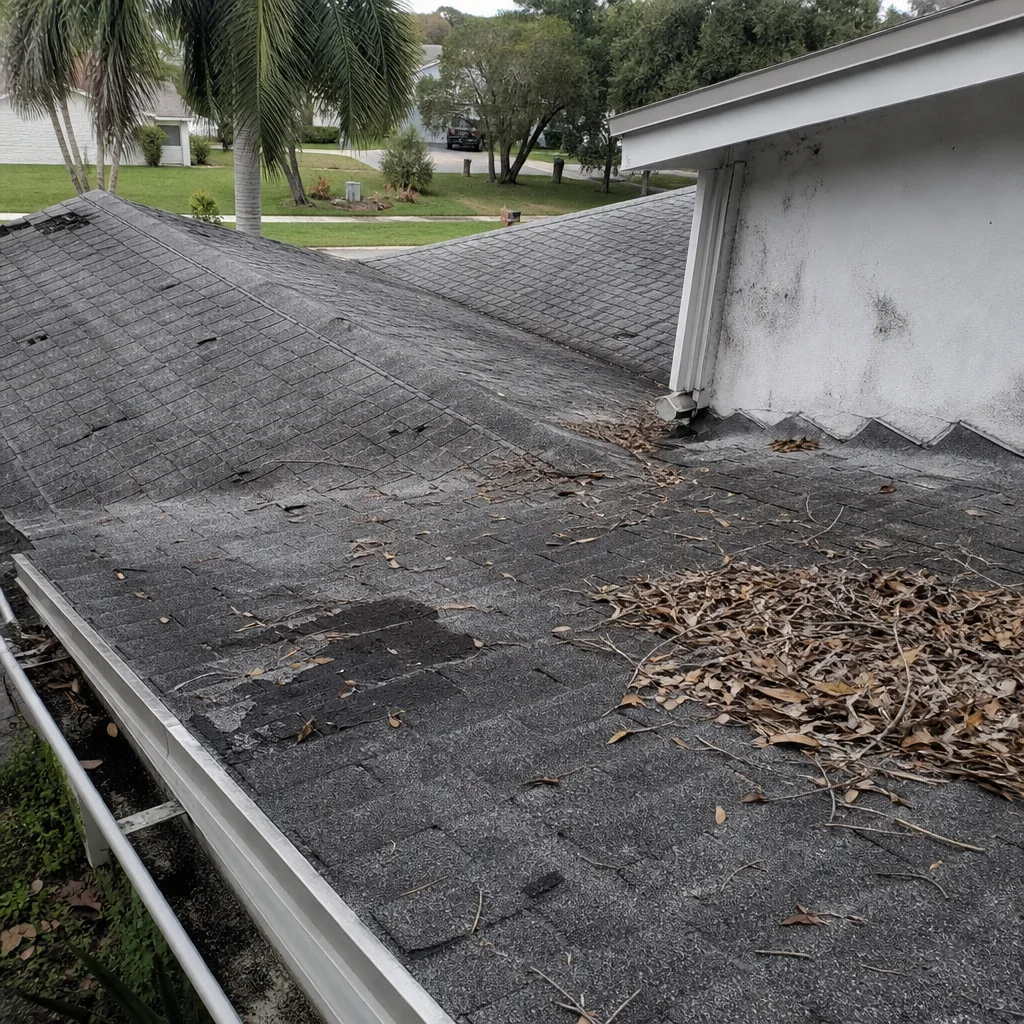 Before
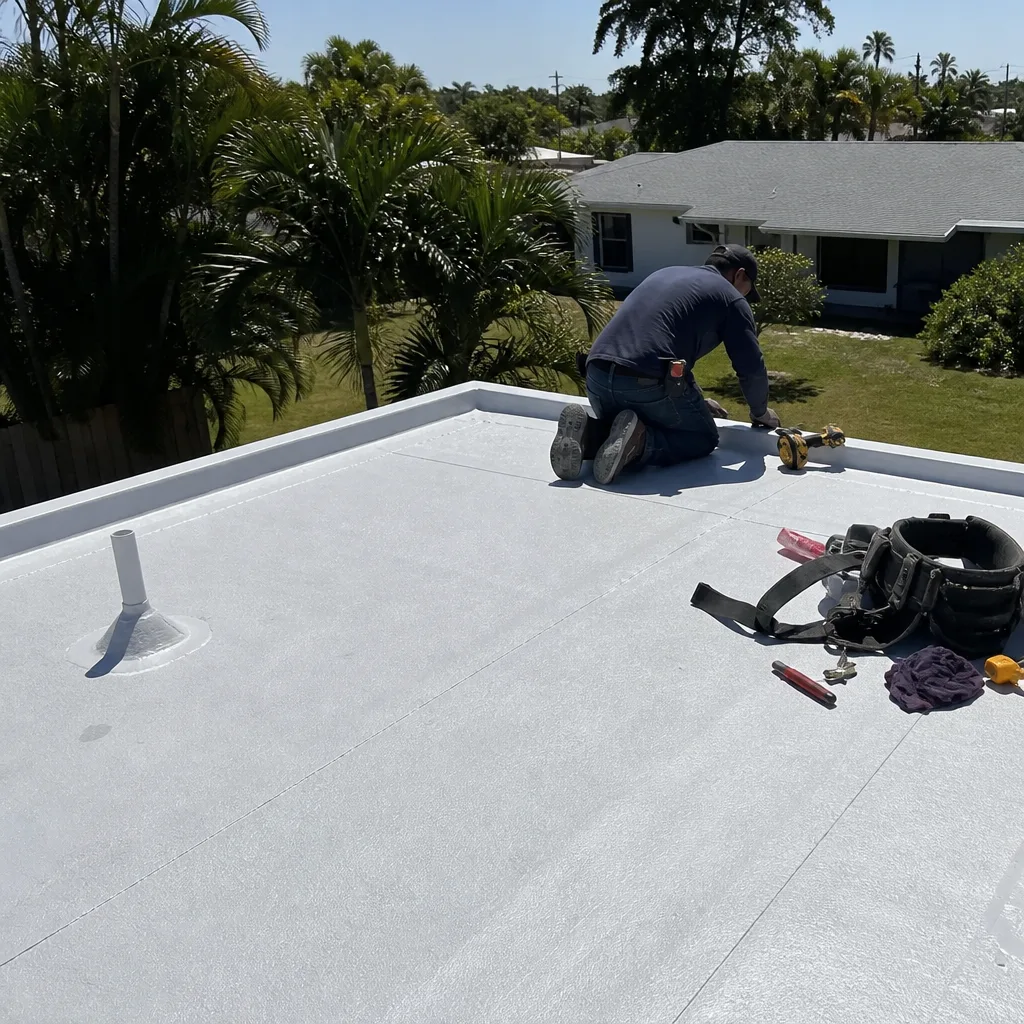 After
After