
Last updated October 17, 2026
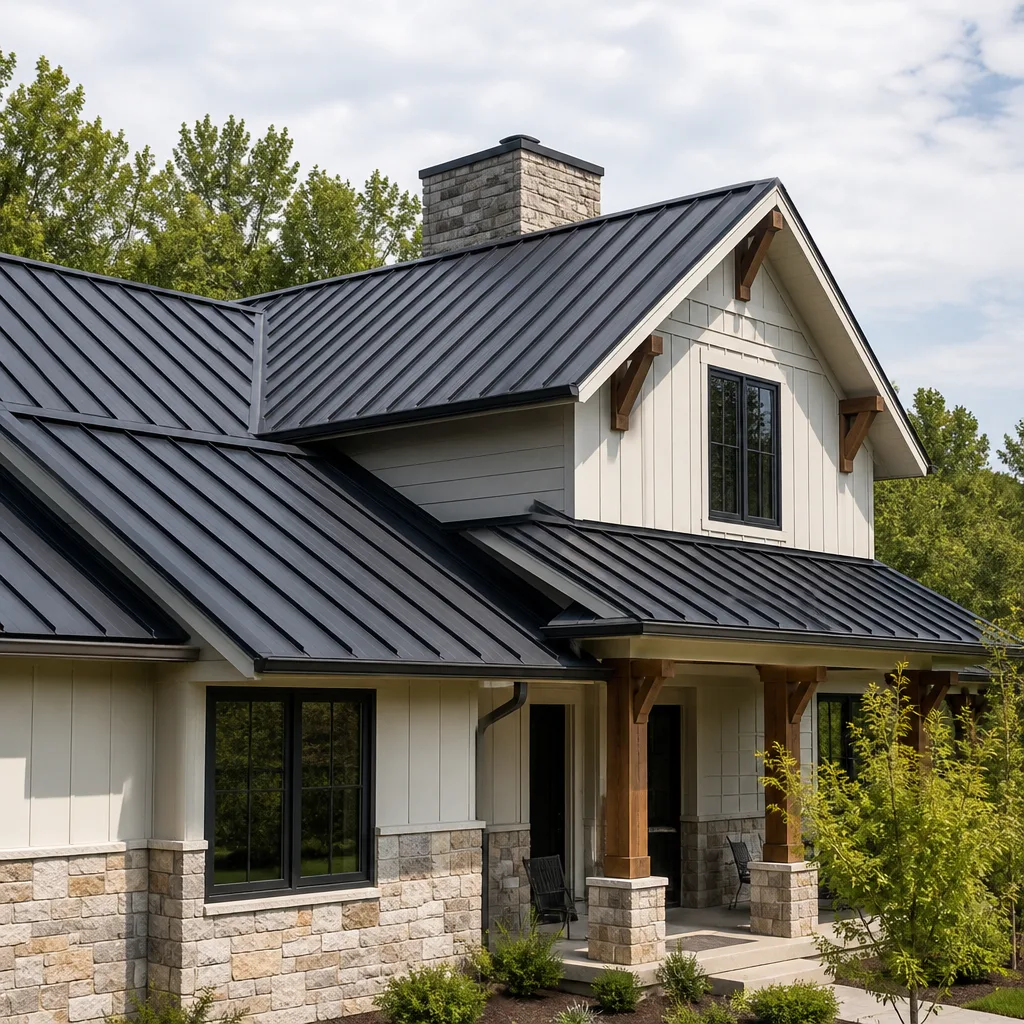 Metal roofing
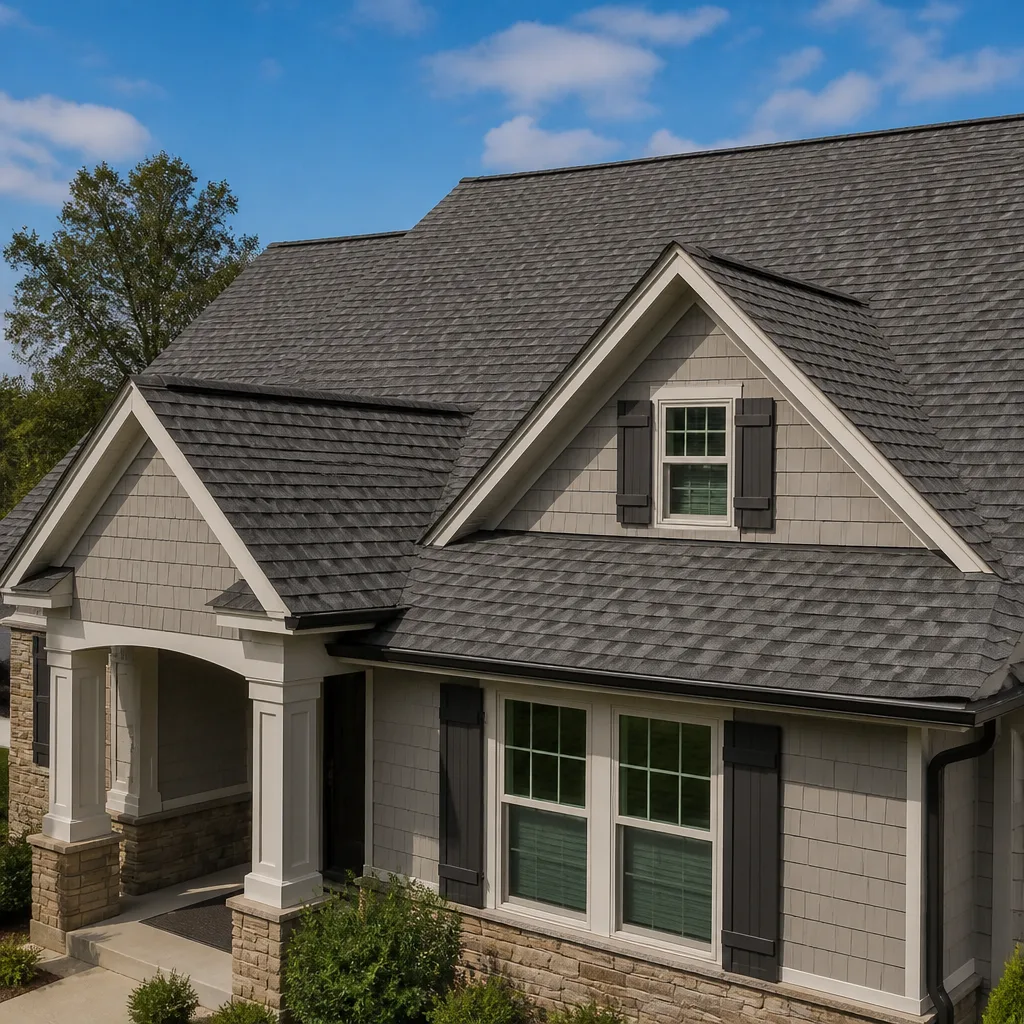 Architectural shingles
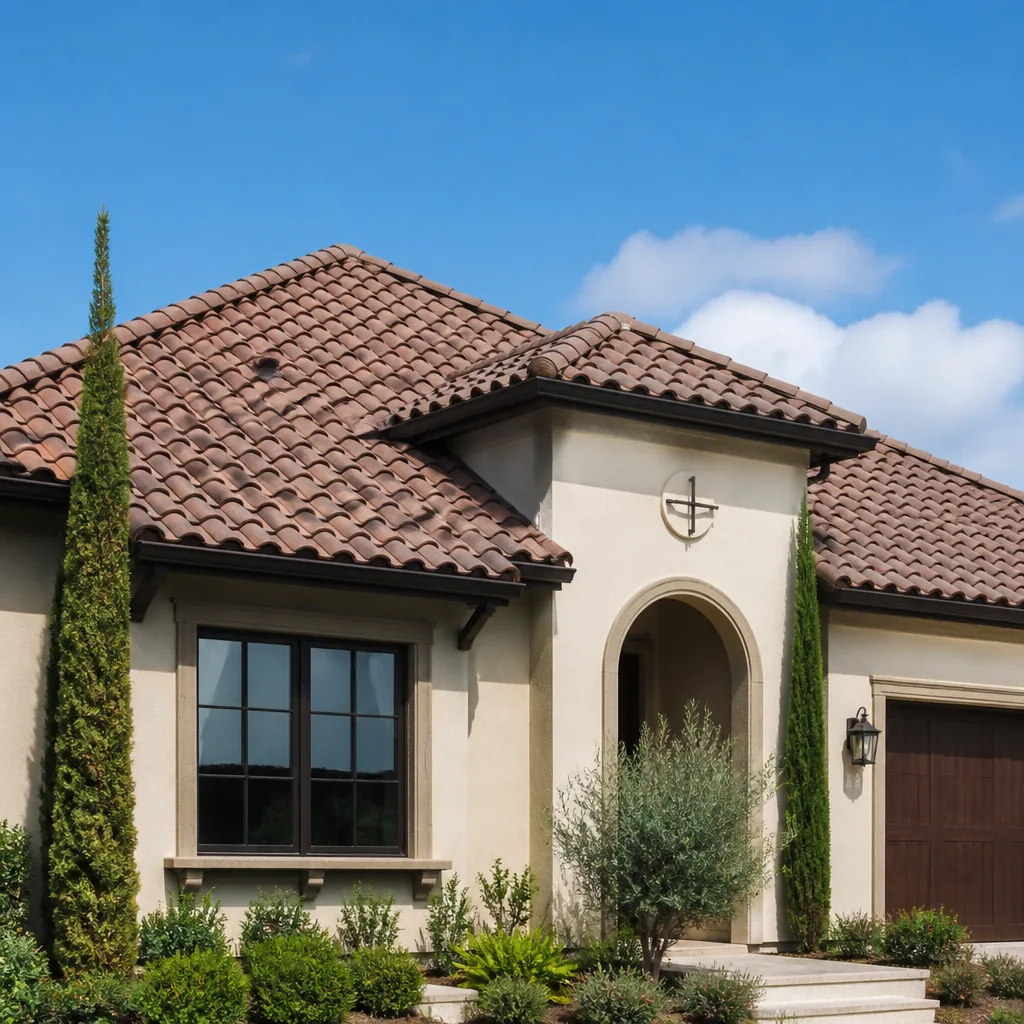 Tile roofing
 GAF
GAF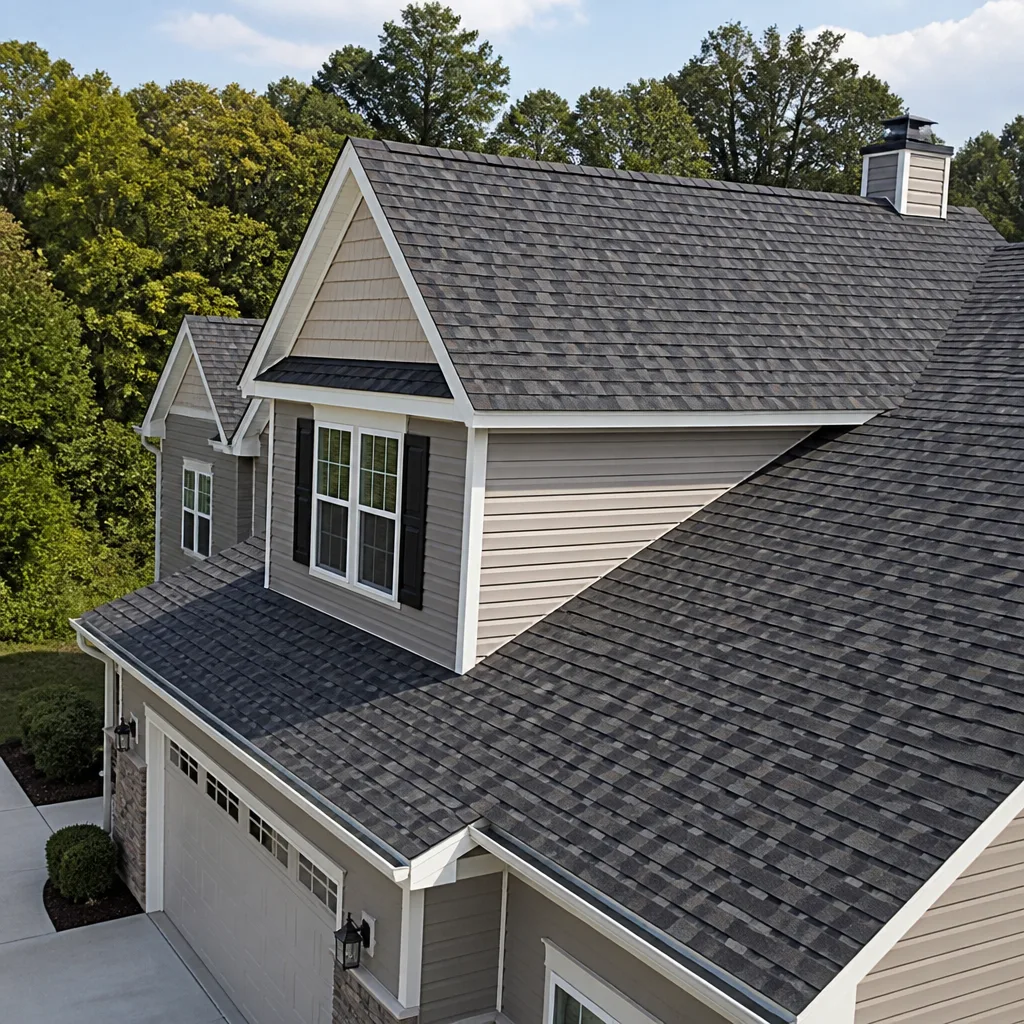 Owens Corning
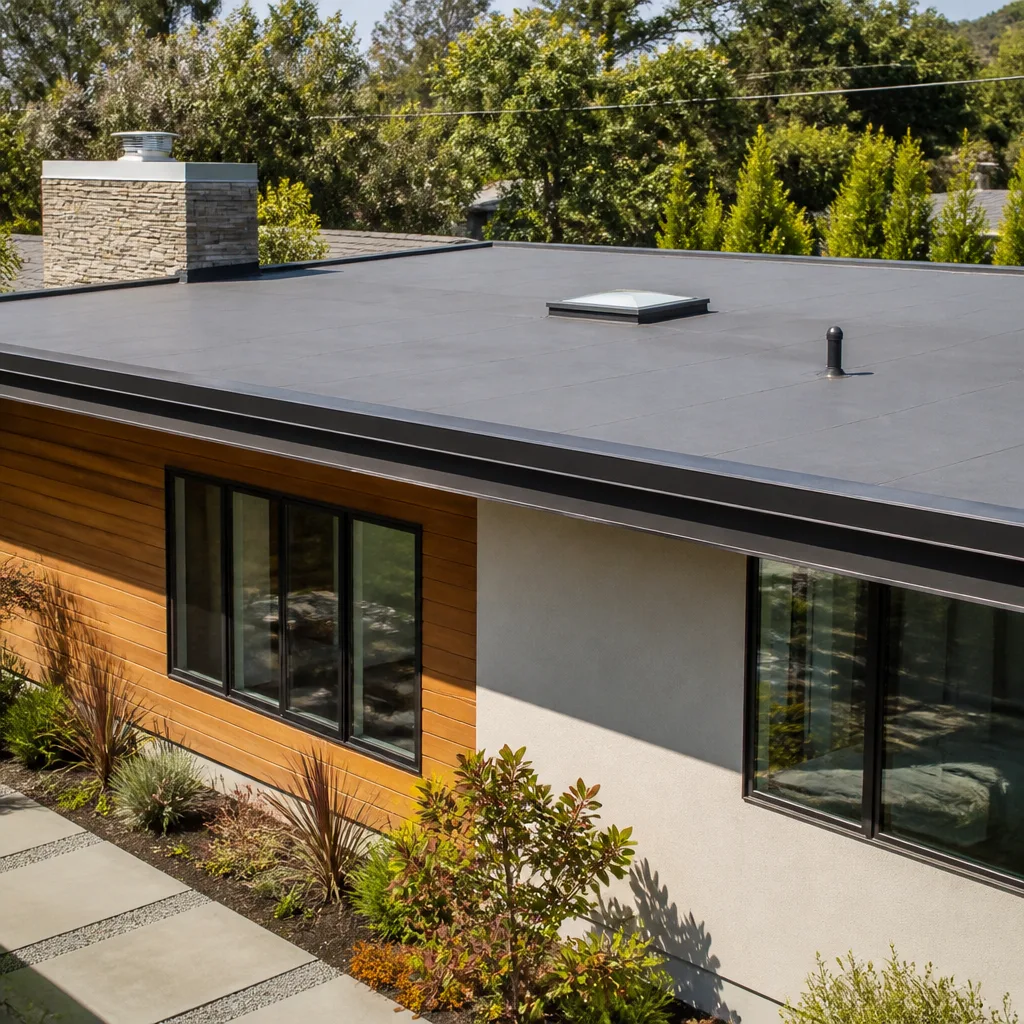 Flat & low-slope
Free roof inspection with deck photos before we talk money - GAF and Owens Corning certified installation
Roofing Permits, Codes & Inspections in FL: What You Need to Know
A homeowner in West Palm Beach who lets a contractor “skip the permit to save time” on a re-roof can be required by Palm Beach County to tear off the finished roof for inspection. The bill lands on the homeowner, not the contractor. This guide-along with The Complete Guide to Roofing in West Palm Beach-explains the Florida permit system as it actually operates: what triggers it, what it costs, what inspectors look for, and how the paperwork protects you long after the crew packs up. You’ll learn the 25% reroof rule, Notice of Commencement requirements, dry-in and final inspection stages, and what “closed permit” really means when you sell the house.
Styles & brands we work with
Quick Answer
Roofing permits in Florida are required for full replacements, partial replacements over a code-defined threshold, and any structural deck repair. In Palm Beach County, if more than 25% of a roof is replaced within a 12-month period, the entire roof must be brought to current Florida Building Code. Permits require a recorded Notice of Commencement on jobs over $2,500, at least two inspection stages (dry-in and final), and a closed permit record before the job is legally finished.
Table of Contents
- When a Roofing Permit Is Required in Florida
- The 25% Reroof Trigger and What It Costs
- Notice of Commencement: Your Lien Protection
- What Inspectors Check at Dry-In and Final
- Closed Permit: The Record That Matters When You Sell
- West Palm Beach and Palm Beach County Specifics
- What Happens When Work Is Done Without a Permit
- Common Mistakes to Avoid
- When to Call a Professional
- Frequently Asked Questions
- The Bottom Line
When a Roofing Permit Is Required in Florida
Florida Building Code Section 105.1 requires a permit for any roofing work that involves structural changes, replacement of roofing material, or repair of the roof deck. A “repair” that is cosmetic, like replacing a few loose shingles, generally does not require a permit. A “replacement,” which is defined by the scope of work and the percentage of the roof affected, does.
In Palm Beach County, permit triggers are consistent with the statewide code. You need a permit when:
- Full roof replacement: any complete tear-off and new installation, regardless of roof size.
- Partial replacement over the threshold: in many Florida jurisdictions, replacing more than a single square (100 square feet) of roofing material triggers a permit. Palm Beach County applies the 25% cumulative rule, covered below.
- Structural deck repair: any replacement of roof sheathing, rafters, or trusses. Nail-over re-decking over existing sheathing requires a permit because the inspector must verify fastener penetration into the structural frame.
- Flashing replacement tied to a larger job: replacing flashing alone may not trigger a permit, but when flashing is part of a reroof, it falls under the same permit.
- Roof-mounted solar or skylight installation: any penetration of the roof deck requires a permit, since the supporting structure must be evaluated.
What often surprises West Palm Beach homeowners is that a roofing contractor cannot “just handle the permit for you” without the homeowner’s knowledge. The permit application requires the property owner’s name, legal description, and signatures. A legitimate contractor files the permit in the owner’s name and pulls it before any material lands on the property. The Roofing Company in West Palm Beach you hire should walk you through this before the contract is signed, not after.
The 25% Reroof Trigger and What It Costs
The Florida Building Code requires that when more than 25% of a roof’s surface area is replaced, repaired, or recovered within a 12-month period, the entire roof must be brought into compliance with the current code. This is the rule that turns a “small repair” into a full reroof, and it is the point where homeowners most often feel blindsided.
What this means in practice: a homeowner might plan to replace one slope of a two-slope roof. The contractor measures that slope and it represents 30% of the total roof area. Under code, the entire roof now must be brought to current standards. That can mean:
- Full underlayment replacement to current code-approved material (ASTM D226 Type II felt or synthetic equivalent, often a secondary water barrier for the first 36 inches from the eave).
- Fastener upgrades: current code in the Florida High Velocity Hurricane Zone (Miami-Dade and Broward) and the wind-borne debris region (which includes Palm Beach County) requires specific nail patterns and, in some zones, ring-shank nails and larger heads.
- Secondary water barrier: peel-and-stick membrane at all eaves, valleys, and penetrations, where older roofs may have had none.
The cost impact is real. In West Palm Beach and across Palm Beach County, the difference between a partial repair quote and a full code-compliant reroof typically runs from $4,500 to $9,000 on a standard 2,000-2,500 square foot home, depending on material. A standing seam metal reroof runs higher. Homeowners who budget for a “patch” and learn the 25% rule applies mid-project are often unprepared for that swing.
This is a case where the written quote matters. A contractor following the Brennan Roofing Co West Palm Beach home process puts the exact scope and code requirements on paper before work begins. No homeowner should learn about the 25% trigger after the old shingles are in the dumpster.
Notice of Commencement: Your Lien Protection
Florida Statute 713.13 requires a Notice of Commencement (NOC) to be recorded with the Palm Beach County Clerk of Court before any work begins on a project where the contract price exceeds $2,500. Roofing projects almost always exceed this figure, so the NOC applies to nearly every reroof in West Palm Beach.
The NOC is a simple one-page form that identifies:
- The property owner and legal description.
- The contractor.
- The surety (if any).
- The lender (if any).
- The project’s legal start date.
The purpose is lien protection. When a material supplier, like a shingle distributor or truss fabricator, delivers materials to a job site and is not paid by the contractor, Florida law gives them the right to file a lien against your house. The NOC creates a public record of when work began. If the NOC is not recorded before materials are delivered, a supplier’s lien can reach back to the first day of delivery, which clouds the title. If the NOC is properly recorded, the supplier’s lien window begins on the recording date and they must serve a Notice to Owner within 45 days.
What this means for a homeowner: before any roofer starts in West Palm Beach, ask to see a copy of the recorded NOC. It is a two-page document with a clerk’s stamp. The recording cost is under $30. A contractor who “doesn’t bother” with the NOC is exposing you to a lien you did not create and do not control. We have seen this exact scenario play out in Palm Beach County: a roofer walks off a job, a supplier is unpaid, and the homeowner discovers a lien when refinancing. The NOC is cheap insurance.
What Inspectors Check at Dry-In and Final
Roofing inspections in Palm Beach County happen in at least two stages: dry-in and final. Some jobs with structural work require a third inspection, the roof deck inspection, before underlayment is installed. Here is what happens at each stage.
Stage 1: Roof Deck Inspection (structural jobs only)
If the old roof is torn off and the inspector finds sheathing that must be replaced, the deck replacement requires its own inspection. The inspector checks:
- Sheathing thickness and span rating: current code requires a minimum 7/16-inch OSB or 1/2-inch plywood for most rafter spacing. The stamp on the panel must be visible.
- Fastener pattern: nails or screws must penetrate the structural member by a code-specified depth, typically 6 inches on center at panel edges and 12 inches in the field, though this varies with wind zone.
- Clips or blocking: where panel edges do not land on framing, H-clips or blocking must be installed.
This inspection happens before underlayment goes down, because once the deck is covered, the inspector cannot verify any of it.
Stage 2: Dry-In Inspection
The dry-in inspection happens after underlayment, drip edge, and flashing are installed, but before shingles, tile, or metal panels cover them. The inspector is verifying the waterproofing system. Specific checks include:
- Underlayment type and lap: code specifies the minimum material (often ASTM D226 felt or approved synthetic), the minimum lap (usually 2 inches for felt, 4 inches in some applications), and the fastener pattern.
- Secondary water barrier: in West Palm Beach, which falls in the wind-borne debris region, a self-adhering membrane is required at all eaves, valleys, and around penetrations. The inspector checks its presence and width.
- Drip edge: must be installed at the eave and rakes, with the correct overlap and nail pattern.
- Flashing at penetrations: pipe boots, chimney flashing, and valley flashing must be set before the primary covering goes on.
This inspection is the one that most often fails when a crew rushes. The inspector does not care about aesthetics here; they care about whether water can get under the roof.
Stage 3: Final Inspection
After the primary roof covering (shingles, tile, or metal) is installed, the final inspection confirms the complete assembly. The inspector checks:
- Exposed fastener pattern: for tile and metal roofs, clip and screw placement must match the manufacturer’s product approval and code-specific wind uplift requirements.
- Hip and ridge attachment: ridge caps must be cemented, screwed, or otherwise secured per product approval.
- Flashing integration: shingle or tile to flashing transition must shed water, not trap it.
- Roof-to-wall intersections: step flashing and counterflashing where the roof meets a vertical wall.
Once the final inspection passes, the permit can be closed. Until then, the job is legally incomplete.
Closed Permit: The Record That Matters When You Sell
A “closed permit” means the building department has reviewed the work, passed all inspections, and closed the file. This is not the same as “the contractor says the job is done.” It is a paper record that the work is code-compliant. In West Palm Beach, the final inspection record is available through the city’s building department, and homeowners should have a copy before the contractor considers the job complete.
Why this matters:
- Home sale: a title search reveals open permits. An open roofing permit flags the property, and many buyers’ lenders require permit closure before closing. A roof job done without a permit or left open becomes a closing delay or a price concession.
- Insurance claims: after a storm, an insurer will check whether the roof was installed with permits and inspections. An unpermitted roof is a coverage dispute waiting to happen.
- Contractor accountability: a closed permit is the county’s verification that a third-party inspector walked the roof and signed off. A contractor’s own crew cannot provide that verification.
The practical step: when the final inspection passes, request the inspection record from the city. You can also check the Roof Inspection in West Palm Beach permit status online through Palm Beach County’s building department portal. If the permit shows “open” six months after the job, the contractor has not finished their legal obligation, regardless of how the roof looks from the street.
West Palm Beach and Palm Beach County Specifics
West Palm Beach sits in a wind-borne debris region under the Florida Building Code. Homes built after the 2001 code adoption have specific roof-to-wall connection requirements, but even homes built earlier must meet current code when the 25% reroof trigger applies. The code does not grandfather a 1970s roof through a reroof; the new roof must meet current uplift requirements.
Climate also shapes the permit process. West Palm Beach’s hurricane season runs June through November, and the city enforces the code’s nail and membrane requirements more strictly than inland jurisdictions because the wind speeds here are higher. A roof that meets code in Orlando may not meet code in West Palm Beach. Contractors from inland counties sometimes submit the same product approval forms they use elsewhere and have them rejected by Palm Beach County’s reviewer.
Palm Beach County requires:
- Product approval numbers: every shingle, underlayment, and adhesive must carry a Florida Product Approval or Miami-Dade NOA number. The permit application cites these numbers, and the inspector checks them against what is installed.
- Wind load calculations: the permit package includes a wind load calculation specific to the property address, based on the Risk Category and wind speed map. West Palm Beach addresses fall in a higher wind speed zone than many parts of Florida.
- Re-nailing verification: when the existing deck is reused, Palm Beach County inspectors often check whether the sheathing meets current nailing requirements. Older roofs frequently used 6d nails at wider spacing; code now often requires 8d ring-shank nails at 6 inches on center. If the existing deck does not meet the pattern, the reroof includes a re-nail.
This last point is another hidden cost. In older West Palm Beach homes, the deck re-nail can add $1,200 to $2,500 to a reroof, depending on roof size. A contractor who knows the local code flags this in the initial quote. A contractor who does not knows it later, after the deck is exposed.
What Happens When Work Is Done Without a Permit
Unpermitted roofing work in Palm Beach County is not a technicality. The consequences are specific and documented:
- Stop-work order: the county can halt the job the moment an inspector or neighbor reports it. The roof is left in whatever condition it is in, often torn off and exposed to weather.
- Double permit fees: if the homeowner applies for a permit after work has begun, Palm Beach County charges double the standard permit fee, plus the cost of any inspections already performed without a permit.
- Tear-off and re-inspection: if the dry-in stage was already covered by the time the county discovers the unpermitted work, the county can require the roof covering to be removed for inspection. The county does not reimburse this cost. The contractor may vanish; the homeowner cannot.
- Insurance dispute: a claim on an unpermitted roof is a standing reason for denial. The insurer’s position is that an unpermitted roof is an unverified roof, and the policyholder assumed that risk.
- Lien exposure: without an NOC, material suppliers retain broader lien rights, as covered above.
The economics are simple: a permit in Palm Beach County costs a few hundred dollars, depending on roof size and valuation. A tear-off for inspection costs thousands. The permit is the cheapest part of the whole job, and skipping it is the most expensive shortcut a homeowner can take. This is what we mean when we say the permit exists to protect the person who owns the roof, not to slow the person who works on it.
We install materials from manufacturers including GAF, Atlas, and Tamko, and every product carries the Florida Product Approval number the permit reviewer requires. The product approval is not optional paperwork; it is the specific technical basis on which the inspector signs off.
Common Mistakes to Avoid
- Accepting a “permit not needed” claim without checking: a contractor who says a full reroof needs no permit in West Palm Beach is either wrong or lying. Call the Palm Beach County Building Division and ask. It takes ten minutes.
- Paying in full before the final inspection passes: if the permit is not closed, the job is not done. Hold back a meaningful portion of the contract until the city signs the final inspection.
- Not recording a Notice of Commencement: if the contract exceeds $2,500 and no NOC was recorded, the supplier lien clock never properly started. You are exposed.
- Overlooking the 25% rule: planning a partial repair without measuring it against the total roof area leads to a surprise full-reroof obligation. Have the contractor state the percentage in the written quote.
- Trusting the inspection record from another county: product approvals and wind load calculations that pass in a low-wind county may not pass in Palm Beach County. The local code is stricter.
- Not keeping the closed permit record: the paper that matters at resale and at claims time is the city’s inspection record, not the contractor’s invoice. Keep both, but only the city’s record carries legal weight.
- Reusing old flashing on a new roof: code requires new flashing at penetrations and valleys on a reroof. Reusing old metal is a common way crews cut cost, and inspectors in West Palm Beach specifically check for it.
When to Call a Professional
Roofing is one trade where the paper is as important as the product. Call a licensed roofing contractor in West Palm Beach when the job triggers a permit, when you see water stains on ceilings or walls, when an insurance adjuster has recommended a reroof, or when a home inspector flagged the roof before a purchase. In our experience, the most expensive roofing problems are the ones that went unaddressed through two or three rainy seasons. For more guides & resources on protecting your roof, visit our blog. Brennan Roofing Co West Palm Beach offers free estimates in West Palm Beach. Call (728) 203-3066 and you will get a live person, a written price before any work starts, and a permit pulled in your name.
For roof damage that is not structural, a Roof Repair in West Palm Beach call is the right first step before a full reroof becomes the only option.
Frequently Asked Questions
Yes, if the replacement covers more than a single square (100 square feet) or touches structural decking, you need a permit in Palm Beach County. Minor shingle repair of a few loose tabs does not require one. When in doubt, the building department’s permit desk will give you a straight answer.
Roofing permit fees in West Palm Beach typically run from $150 to $500, based on the project valuation and roof area. The exact figure varies with re-inspection fees and county surcharges. Call (728) 203-3066 and we can tell you what a specific job’s permit will cost, in writing, before any work starts.
The 25% rule means that if more than a quarter of the roof area is replaced or repaired within 12 months, the entire roof must be brought to current Florida Building Code. This applies in West Palm Beach and is enforced during inspection.
The title company typically requires the permit to be closed before closing, which means the county must inspect and sign off. If the work is unfinished or failed, you may be negotiating who pays to fix it. An open permit is a defect, not a formality.
A straightforward reroof permit in Palm Beach County is usually issued within 5 to 10 business days for a complete application. Incomplete product approval numbers or missing wind load calculations are the most common delays. A complete package from an experienced contractor moves faster.
Yes. Every reroof in West Palm Beach gets a permit pulled in the homeowner’s name, with the Notice of Commencement recorded and the final inspection scheduled and passed. That is how we have operated since 2000, and it is the only way a contractor can honestly stand behind a roof in Palm Beach County.
You can, but the buyer’s lender may refuse to finance until the permit is resolved, and the buyer will likely demand a price reduction. Unpermitted work is a disclosure item on the Florida seller’s property disclosure. Hiding it creates legal exposure.
Search the Palm Beach County Building Division’s online permit portal by address. The record shows the permit status, inspection dates, and whether the final inspection passed. If you cannot find the record, call the county’s permit desk or ask your contractor to produce it.
The Bottom Line
Florida’s roofing permit process exists because a roof is a structural and water-shedding system, not a cosmetic surface. The permit, the Notice of Commencement, and the inspection stages are the only third-party verification that your roof was installed to the code your insurance policy assumes. Skipping them saves a few hundred dollars and a few days, and risks thousands in tear-off costs, insurance denial, and lien exposure. In West Palm Beach, where wind speeds are higher and the code is enforced accordingly, the permit is the cheapest and most important line item in the whole roofing job. Ask for it in writing before any work starts, and hold the contractor to the standard the county already set.
Written by Travis Oakley, Owner at Brennan Roofing Co West Palm Beach, serving West Palm Beach since 2000.
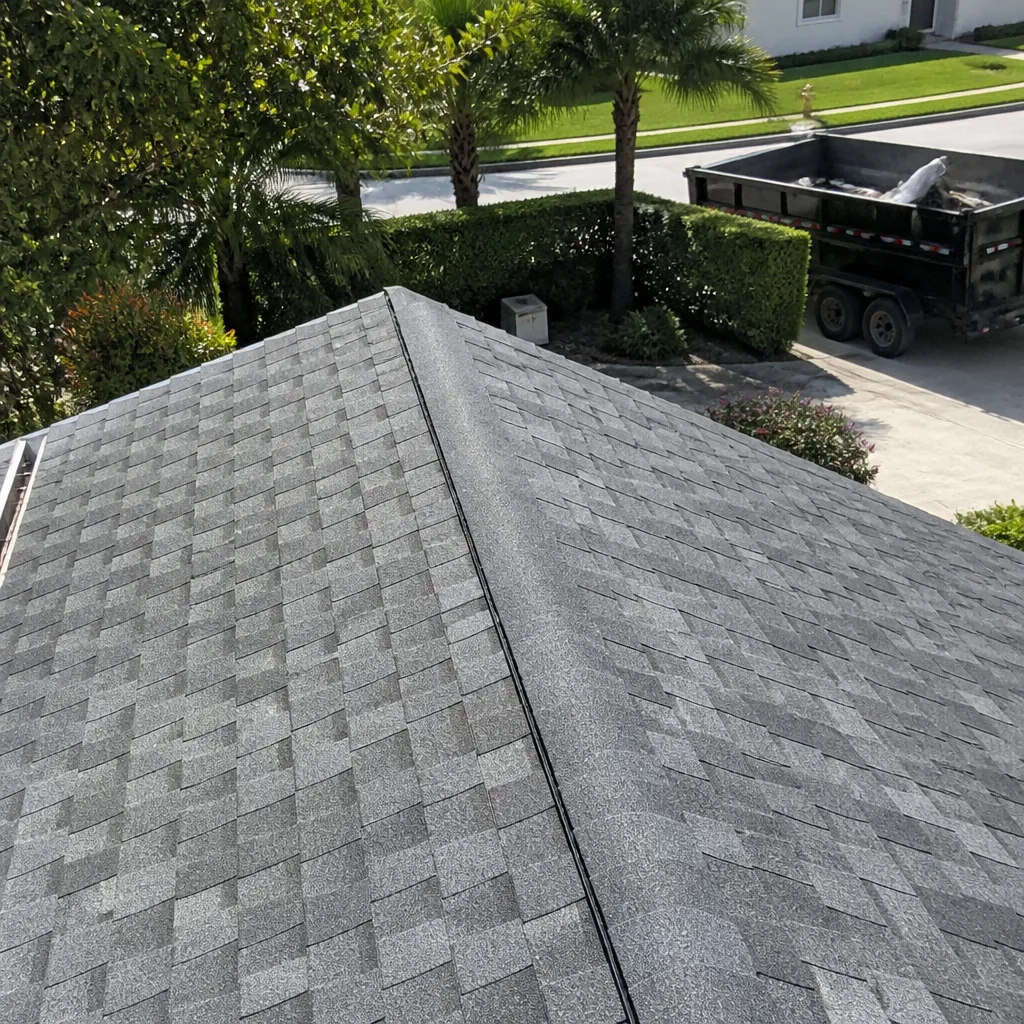
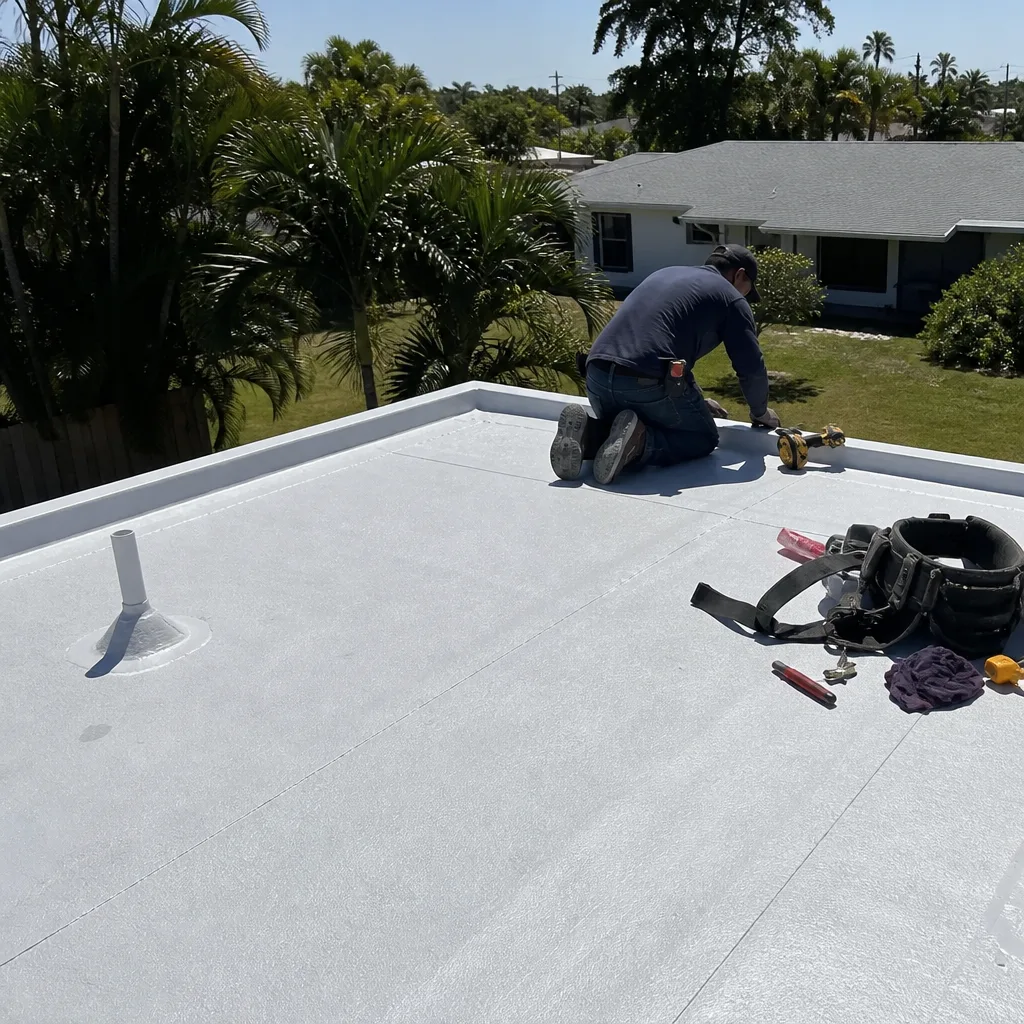
See the difference
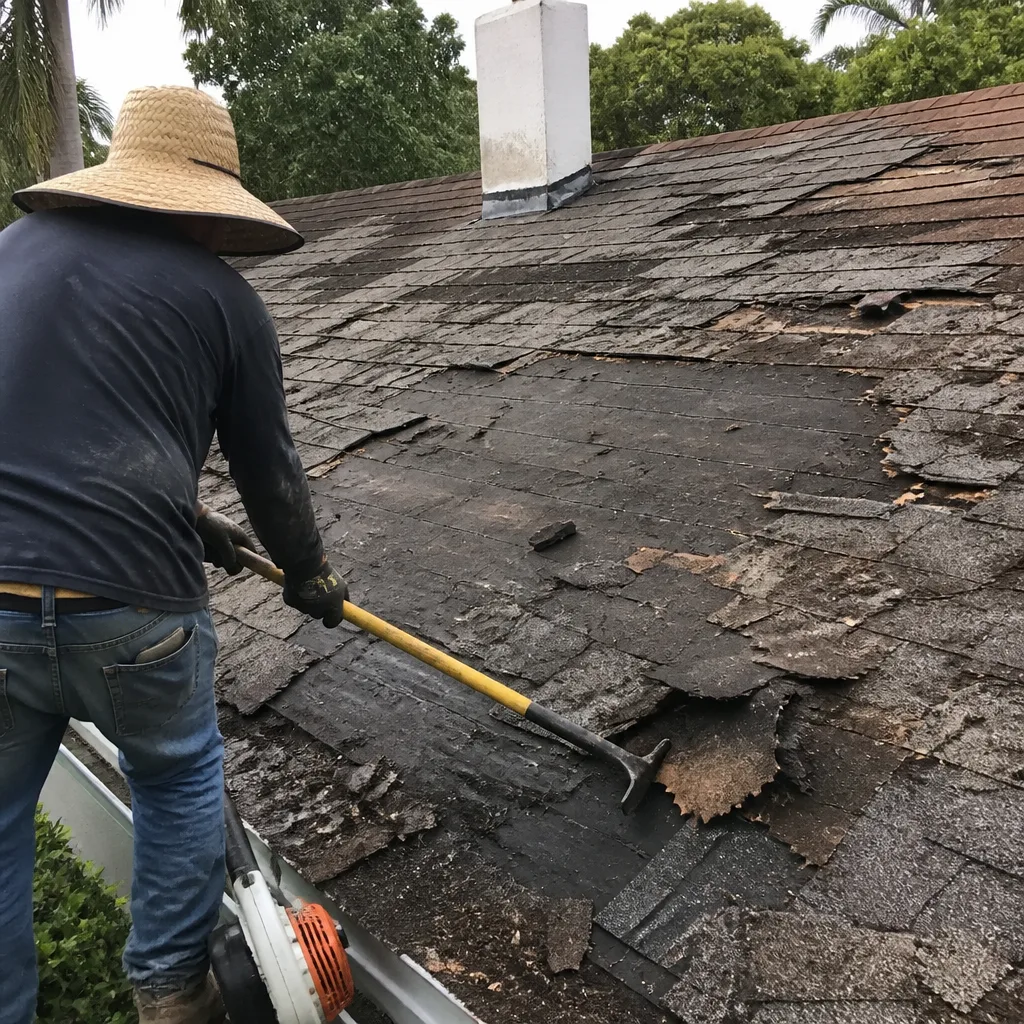 Before
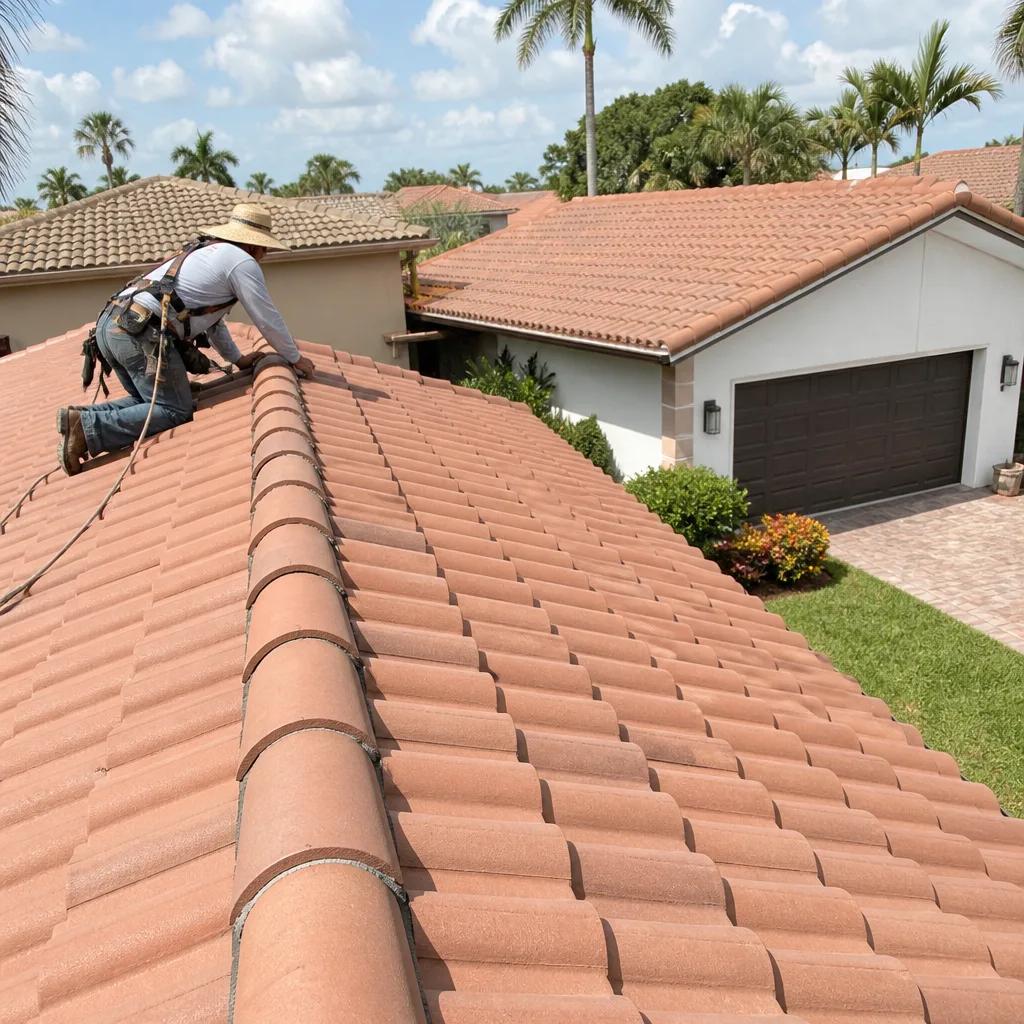 After
After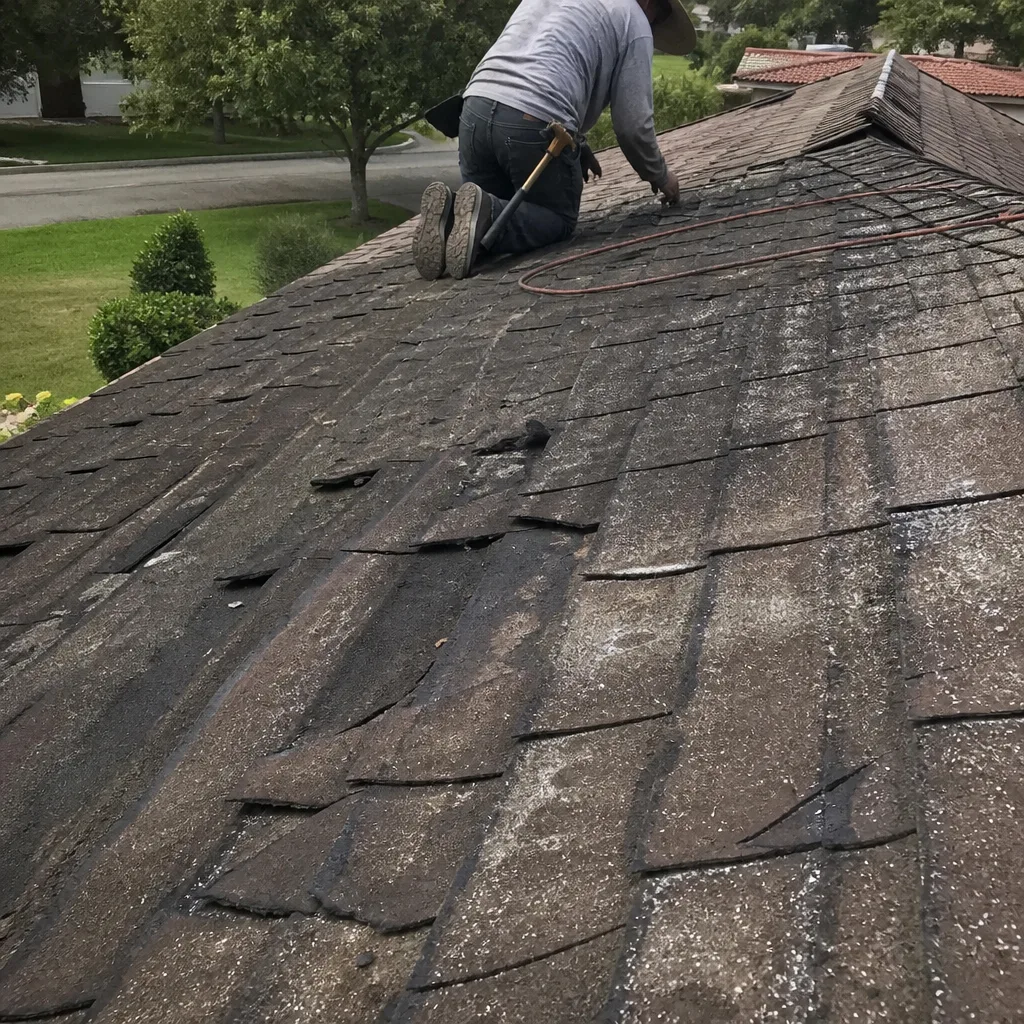 Before
 After
After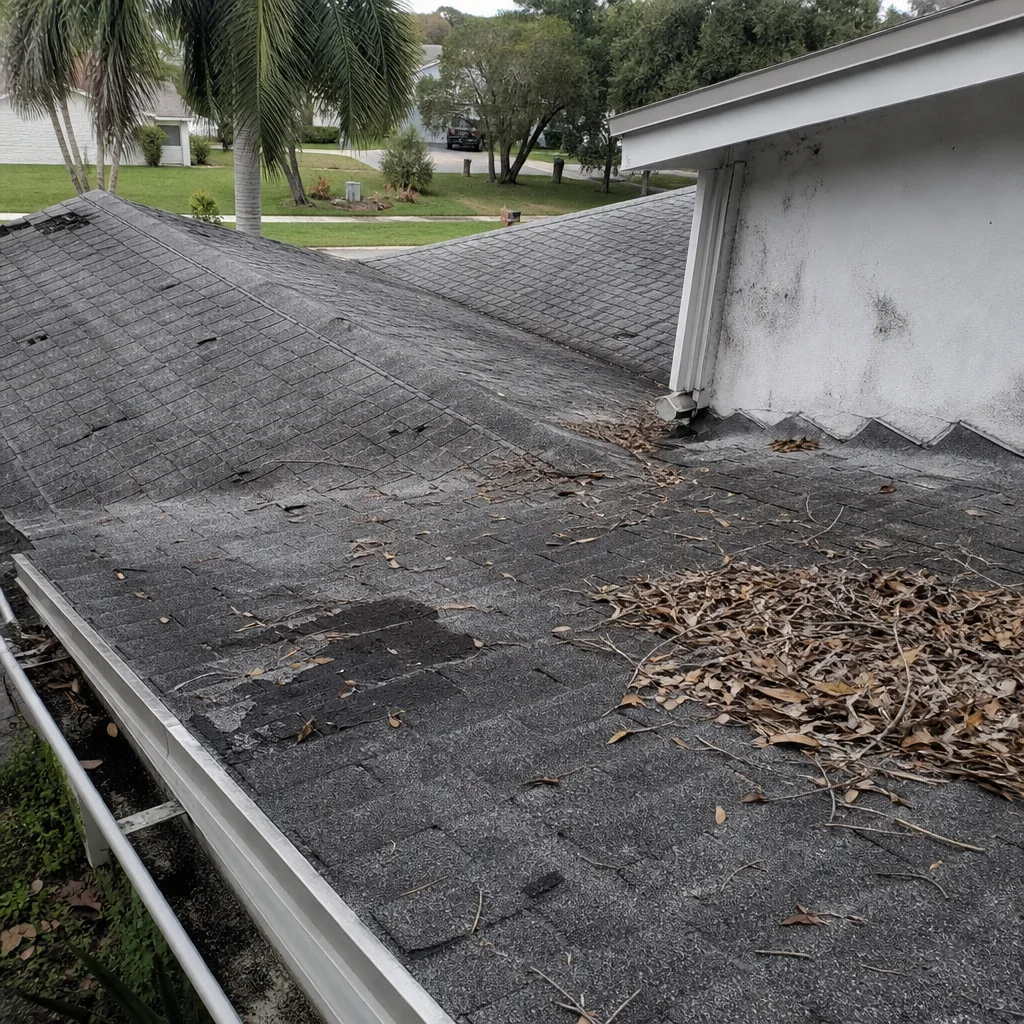 Before
 After
After