
Last updated October 17, 2026
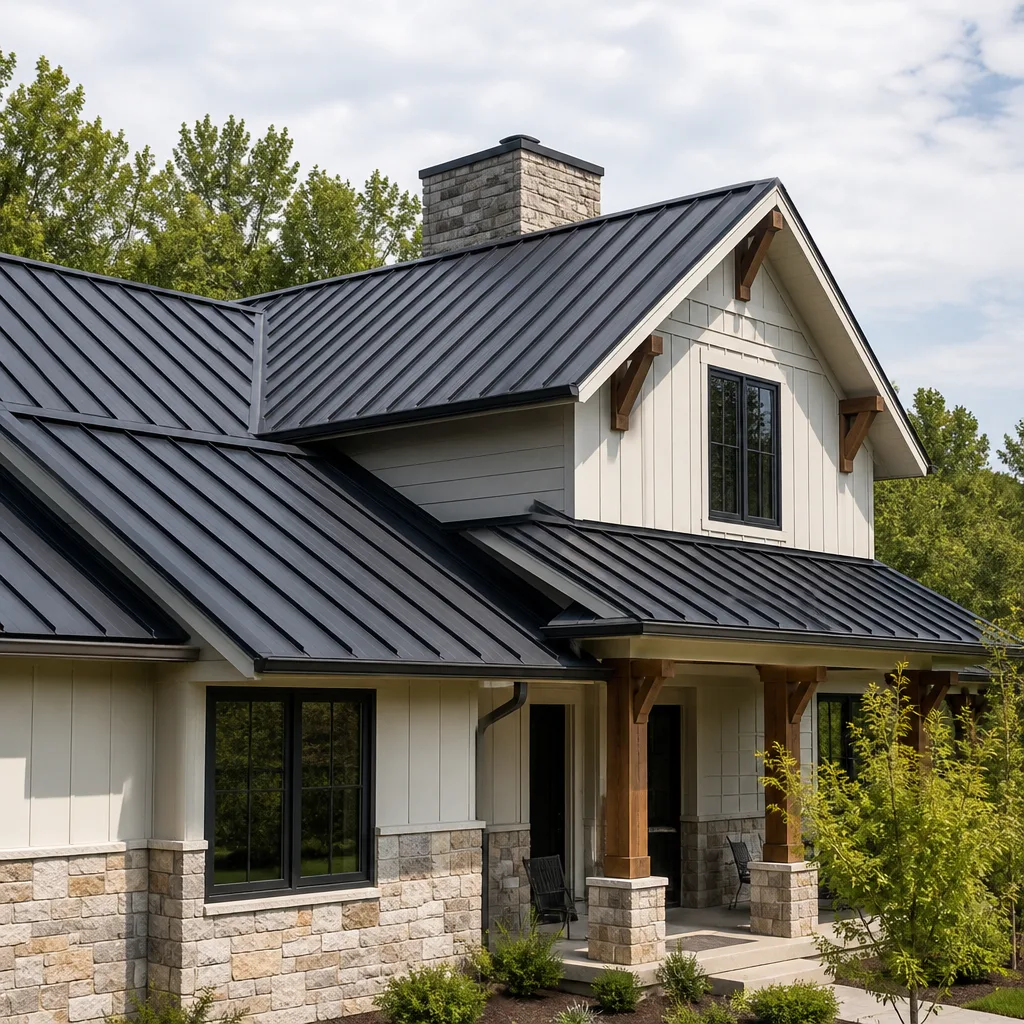 Metal roofing
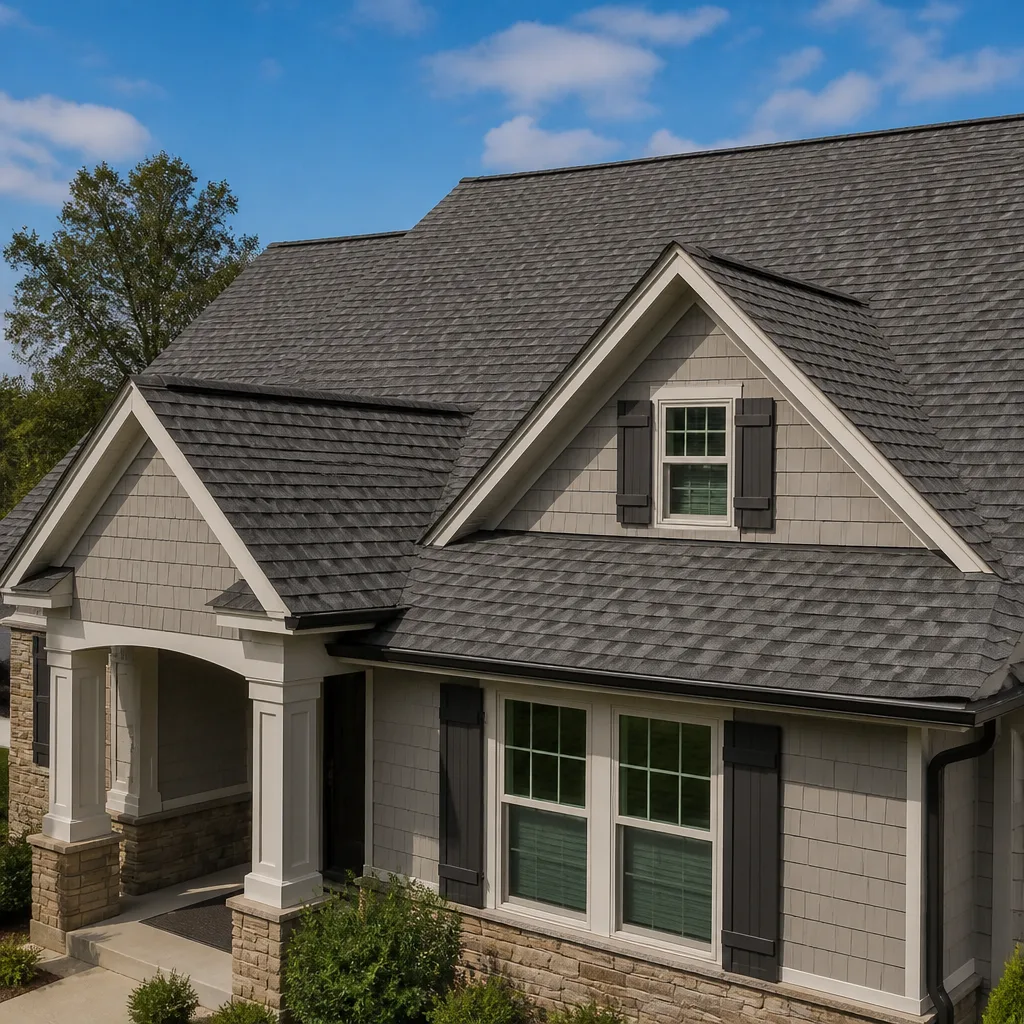 Architectural shingles
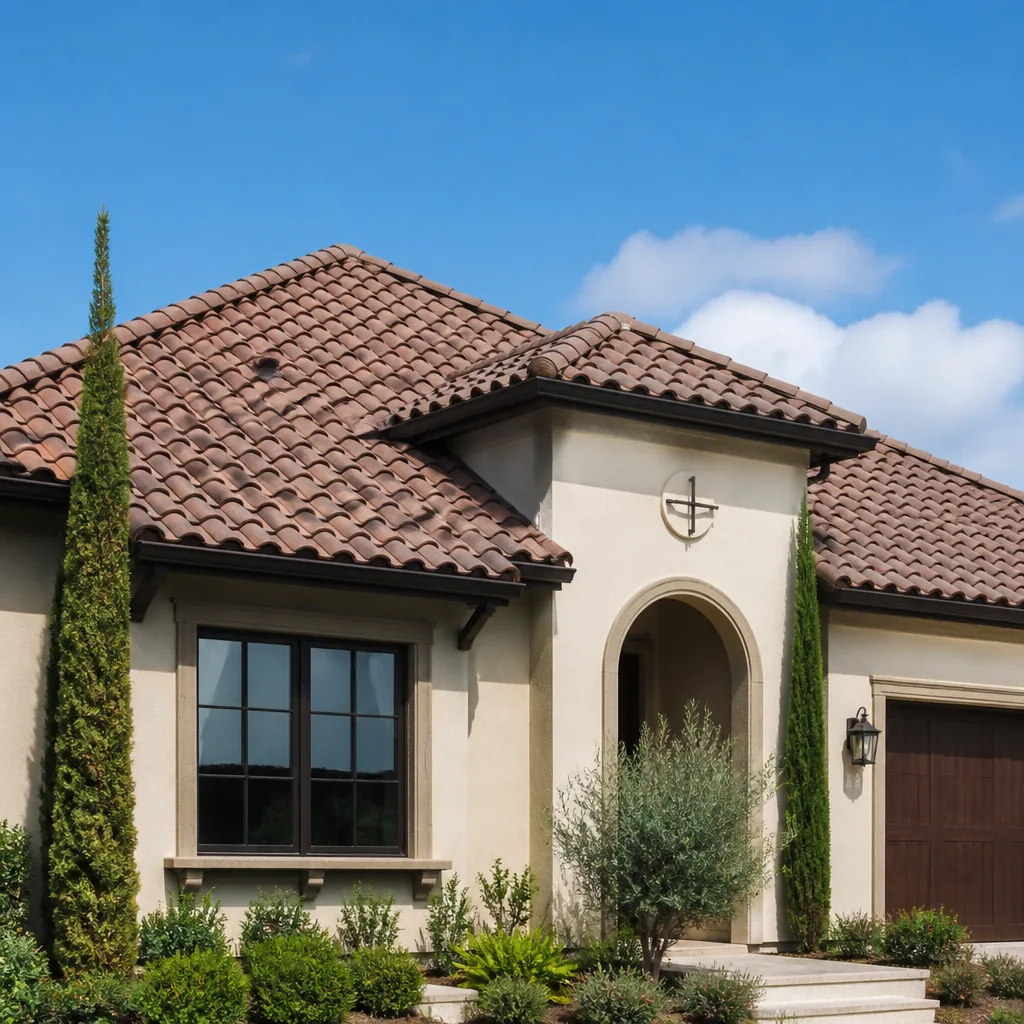 Tile roofing
 GAF
GAF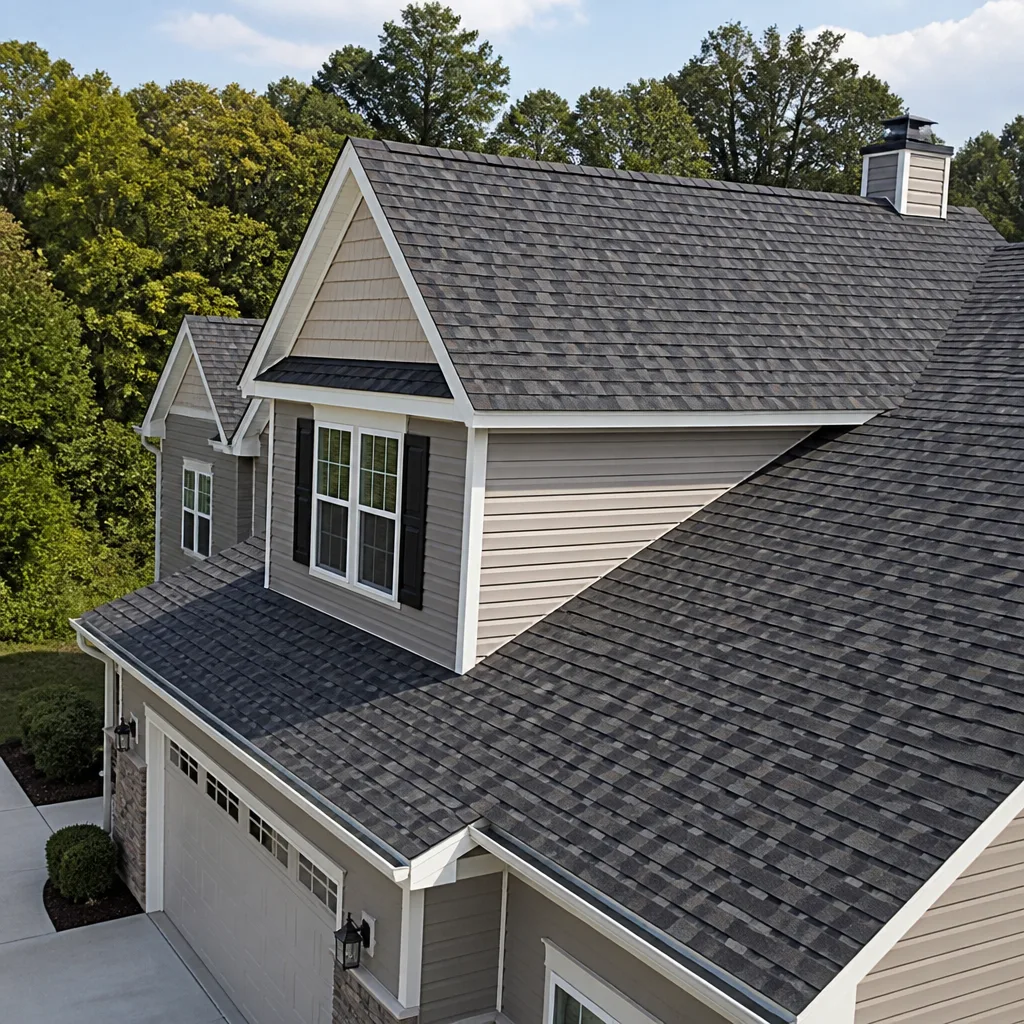 Owens Corning
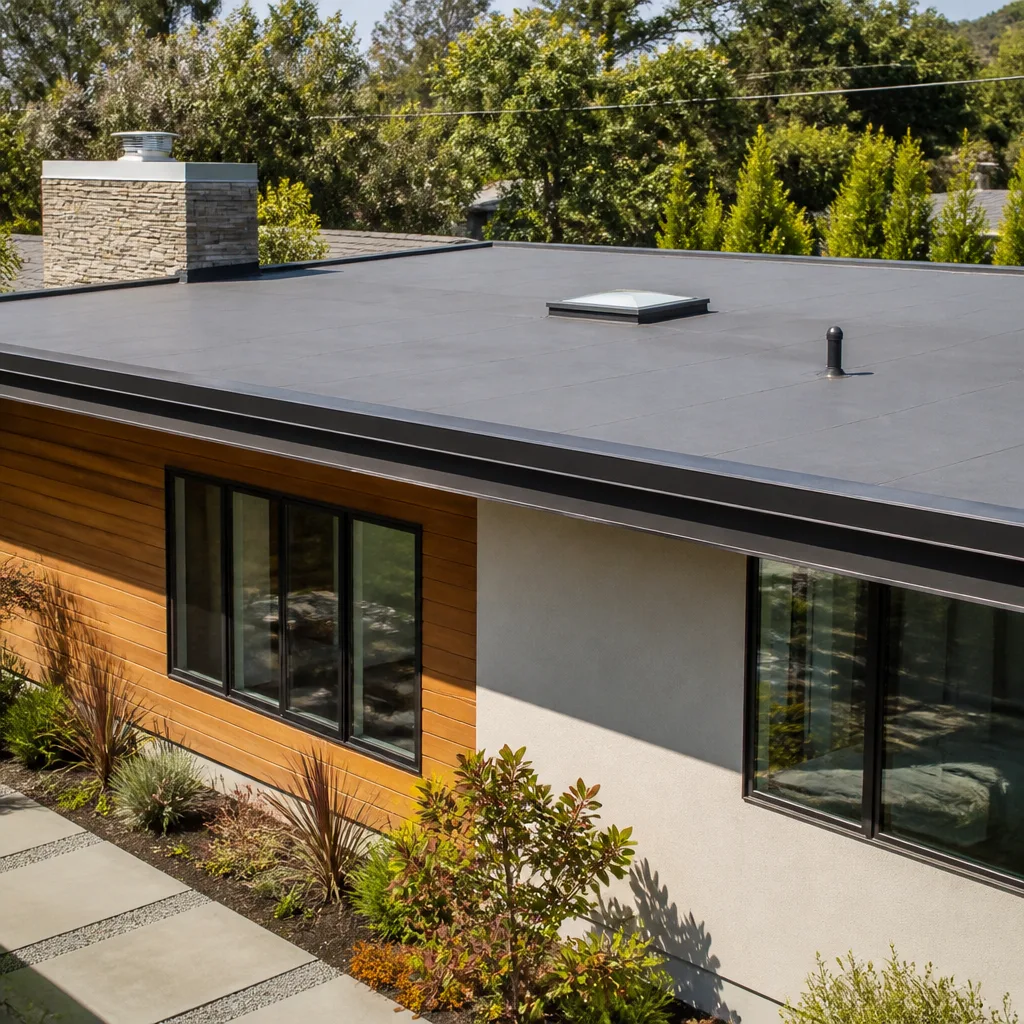 Flat & low-slope
Free roof inspection with deck photos before we talk money - GAF and Owens Corning certified installation
Roofing Company Maintenance Checklist for West Palm Beach Homeowners
A cracked field tile or a dried-out pitch pan seal that costs $200 to fix in April becomes a $14,000 interior water damage claim after a July afternoon storm. The checklist most homeowners use would have missed both. That’s because the standard maintenance advice floating around the internet is written for a four-season climate with snow, ice dams, and falling leaves. West Palm Beach doesn’t work that way. We get two seasons: a long, hot, wet stretch from May through October, and a drier, cooler window from November through April. This guide gives you a maintenance checklist built for the actual conditions that end roofs early in South Florida, and it tells you exactly what you can safely check yourself versus what belongs in the hands of a licensed Roofing Company services professional.
Styles & brands we work with
Quick Answer
A West Palm Beach roof maintenance checklist has two anchor points each year: an April pre-storm inspection and a November post-hurricane-season inspection. Homeowners should check visible pipe boots, ridge mortar, drip edge, and membrane terminations from the ground with binoculars every 90 days, keep dated photos for insurance records, and call a licensed roofer for anything involving a ladder, a two-story pitch, or a suspect seal. For a detailed look at what drives these numbers, see our Roofing Cost Breakdown: The West Palm Beach Homeowner’s Reference for 2026. Roof maintenance in West Palm Beach costs between $180 and $600 per year for two professional inspections and minor seal work, which is a fraction of the $8,000 to $18,000 a full roof replacement runs in this market.
Table of Contents
- Why West Palm Beach Needs Its Own Maintenance Calendar
- April Pre-Storm Checklist: What to Inspect Before Hurricane Season
- November Post-Season Checklist: What to Inspect After the Last Storm
- The Five Highest-Failure Components on West Palm Beach Roofs
- What a Homeowner Can Safely Inspect from the Ground
- How to Document Your Roof for Insurance Before Storm Season
- Maintenance That Protects Your Warranty vs. What Voids It
- Common Mistakes to Avoid
- When to Call a Professional
- Frequently Asked Questions
- The Bottom Line
Why West Palm Beach Needs Its Own Maintenance Calendar
Most roofing maintenance guides tell you to check your roof in spring and fall. In West Palm Beach, that advice misses the point. Spring is not a transition from freezing to thawing. It’s the opening bell for five months of afternoon thunderstorms, tropical systems, and relentless UV exposure. Fall is not about clearing leaves before snow. It’s about assessing what the hurricane season did to your roof before the dry months settle in.
UV radiation is the silent killer of South Florida roofs. The sun here beats down at an angle and intensity that breaks down sealants, dries out pipe boot rubber, and causes tile mortar to crumble years before the tiles themselves wear out. Then the daily summer rain finds every crack that the sun opened. A roof in West Palm Beach does not age gradually like a roof in Ohio. It ages in surges tied to the storm cycle.
The wind matters too. South Florida wind events are not just hurricanes. We get routine 30 to 45 mph gusts from summer squalls. That’s enough to lift a loose tile, pull a drip edge away from the rake, or work a pipe boot loose at the base. Each event is small, but they compound. By the time November arrives, a roof that started the season with one hairline gap can have fifteen points of entry.
Here’s the maintenance calendar that actually fits West Palm Beach:
- April (one month before hurricane season opens June 1): Full professional inspection, sealant touch-up, photo documentation for insurance records.
- May through October (storm season): Every 30 to 45 days, do a ground-level visual check with binoculars after any storm with winds above 35 mph. Look for shifted tiles, exposed underlayment, or anything that wasn’t there before.
- November (after the last storm system): Full post-season professional inspection. Catch any degradation before the dry season, when small issues stop getting worse but don’t get better on their own.
- Any time: If you see a water stain on a ceiling or wall inside the house, call a roofer that day. Interior stains mean water has already breached the roof assembly. The longer it sits, the more the repair costs.
This two-inspection rhythm costs $180 to $300 per visit from a Roofing Company in West Palm Beach, plus whatever minor seal work gets done. It is the cheapest insurance you can buy in this climate.
April Pre-Storm Checklist: What to Inspect Before Hurricane Season
April is the single most important month for roof maintenance in West Palm Beach. By late April, the dry season is winding down and you have roughly six weeks before the first tropical system rolls through. Anything that’s marginal right now will be a problem by August. Here’s the pre-storm inspection checklist, in order of priority:
- Pipe boots and roof penetrations. Every pipe that comes through your roof has a rubber or synthetic boot around it. South Florida sun dries these boots until they crack. Once cracked, water follows the pipe straight down into your ceiling. Replacement boots cost $15 to $40 for materials. A roofer charges $120 to $220 per boot to replace it. Catching three cracked boots in April costs under $700. Missing them means drywall, insulation, and possibly mold remediation in September.
- Pitch pan seals. Pitch pans are the metal boxes around penetrations on flat roofs. They’re filled with sealant. Sun breaks that sealant down into something resembling chalk. The fix is a job for a roofer: dig out the old seal, inspect the penetration, and re-seal. Cost runs $150 to $350 per pan depending on size and condition.
- Ridge mortar and field tile condition. On tile roofs, the mortar caps along the ridge take the worst of the sun and wind. Walk a tile roof in West Palm Beach if you’re a professional. Do not walk it as a homeowner. A trained inspector checks for loose ridge caps, cracked field tiles, and nails or screws that have worked up through the tile over time.
- Drip edge at the rakes and eaves. Drip edge is the metal flashing along the roof’s outer edges. It channels water away from the fascia board. When it pulls loose, water gets behind it and rots the fascia, which means a roof repair plus a wood repair. Re-fastening loose drip edge runs $8 to $15 per linear foot, which is modest until you discover the rotted fascia behind it.
- Membrane terminations at parapet walls. Flat roofs on commercial buildings and some mid-century homes have membrane roofing that runs up the sides of parapet walls. Where the membrane terminates, water can work underneath if the edge is not sealed correctly. A professional checks for open laps, fish mouths, and pulled termination bars.
- Gutters and downspouts. Clogged gutters in West Palm Beach during storm season mean water overflows the gutter, falls against the soffit and fascia, and finds its way into places it was never meant to go. Clear them in April and again in July.
Here’s the reality we see every year in West Palm Beach: a homeowner skips the April inspection, the first good storm in June exposes a bad pipe boot, and by the time we’re called, the ceiling is sagging. The pre-storm inspection pays for itself the first time it catches a $20 part before it causes a $3,000 interior repair.
November Post-Season Checklist: What to Inspect After the Last Storm
By November, the Atlantic hurricane season is over. The daily thunderstorms have tapered off. Now is the time to assess what the last six months did to your roof. November inspections matter because problems discovered now won’t get worse through the winter the way they would through the summer, but they also won’t heal. A small leak found in November and fixed for $300 saves you from a roof that fails structurally by next spring.
The November post-season checklist in West Palm Beach:
- Look for shifted or broken tiles. Hurricane winds and strong summer squalls can shift tiles even when they don’t remove the roof. A shifted tile can expose the underlayment beneath, and the next event becomes the one that tears everything loose. Inspect the roof from every side, ideally with binoculars, looking for tiles that sit out of line with their neighbors.
- Check for ponding water on flat roofs. South Florida gets a lot of rain, but it should not still be sitting on your roof two days after the last rainfall. Ponding water that stands for 48 hours or more accelerates membrane breakdown. A professional can evaluate whether the slope needs correction or a drain needs replacing.
- Inspect ridge vents and soffit vents. Driven rain gets into places ordinary rain doesn’t reach. Soffit vents can hold moisture, leading to rust and eventual failure. Ridge vents can be pulled askew by wind. Both are prime candidates for post-season attention.
- Check all sealant points again. The summer sun plus summer rain combo is brutal on sealants. A sealant that looked fine in April can be cracked, chalked, and failing by November. This check overlaps with the April checklist because the failure rate in South Florida is that high.
- Verify attic ventilation after heavy use. If your attic is not properly ventilated, Florida heat builds up under the decking and cooks your roof from underneath. An attic that reads 140 degrees in November has a ventilation problem, not a weather problem. It needs a professional to evaluate ridge vent adequacy or add intake ventilation.
The November inspection catches what the storm season did. The April inspection catches what the dry season did. Skip either one and you’re flying blind for half the year. Our team at Brennan Roofing Co West Palm Beach home performs both inspections as a routine part of maintenance agreements for homeowners who don’t want to think about their roof until we call them first.
The Five Highest-Failure Components on West Palm Beach Roofs
Some roof problems are rare. Others are so predictable in this climate that we can almost set a watch by them. These are the five components that fail first and most often on West Palm Beach roofs:
1. Pipe Boots
Pipe boots are the rubber or synthetic collars that seal the gap where plumbing vents penetrate the roof. In direct South Florida sun, the rubber compound degrades in three to seven years. The boots crack at the base where they meet the pipe and around the corners where the material flexes. Once cracked, water runs straight down the outside of the pipe and into your attic or wall cavity. This is the single most common source of interior water stains we trace in West Palm Beach. The fix is cheap. The neglect is expensive.
2. Pitch Pans
Pitch pans are the metal sleeves or boxes around rooftop equipment penetrations on flat roofs: HVAC supports, electric conduit, gas line risers. The pan gets filled with a pourable sealant that forms a watertight block. Florida sun bakes that sealant. It shrinks, pulls away from the edges, and cracks. Water then pools around the penetration and seeps down. The repair requires removal of the old sealant, cleaning, and re-pouring. It’s straightforward but absolutely a professional job. Done wrong, you seal water inside the pan instead of keeping it out.
3. Tile Mortar at Ridges
On concrete and clay tile roofs, the field tiles often outlive the mortar that holds the ridge caps in place. The mortar absorbs moisture, dries out, spalls, and crumbles. Wind events displace the ridge cap. Once a ridge cap is loose or gone, the underlayment at the roof’s highest point is exposed. Rain then enters along the ridge line, which is the one part of the roof hardest to see water staining from inside. Ridge mortar re-pointing is standard maintenance on a tile roof, not a sign the roof is failing. But it has to be done before the damage spreads.
4. Drip Edge at Rakes
Drip edge is a thin metal flashing profile along the roof’s perimeter. Its job is to guide water away from the fascia board and into the gutter. When it pulls loose, water runs behind it and soaks the fascia, which is often painted wood. In humid West Palm Beach, wet wood behind metal flashing rots quickly. By the time the drip edge visibly sags, the fascia behind it is usually compromised. Re-securing drip edge early is a $200 to $400 item. Replacing fascia, soffit, and roof edge runs into the thousands.
5. Membrane Terminations at Parapet Walls
Flat and low-slope roofs often have parapet walls around the edge. The roof membrane runs up the parapet and terminates in a metal coping or counterflashing near the top. If that termination point is not sealed correctly, wind-driven rain forces water under the membrane and down the wall. On older buildings in West Palm Beach, this is one of the most common points of entry for water ingress. A professional needs to inspect terminations with attention to the condition of the counterflashing and the sealant behind it, as covered in our guide to Roofing Permits, Codes & Inspections in FL: What You Need to Know.
If your roof has two or more of these components, and most West Palm Beach homes do, your maintenance plan should specifically track their condition. The benchmark for all of them is the same: check in April, check in November, touch up as needed.
What a Homeowner Can Safely Inspect from the Ground
There’s a line between inspection and injury. We’re going to be direct about it. Anything that requires you to put a ladder against the house and climb onto a roof should be left to someone who does it every day. A broken tile is a $20 repair. A broken ankle is not. Here’s what you can assess from the ground with a pair of binoculars or a camera with a decent telephoto lens:
- Tile alignment and obvious displacement. Stand in your yard and scan the roof plane. Look for tiles that are out of line, turned, or missing. Scan the ridge line for caps that sit proud of one another. These are visible from the ground.
- Drip edge and fascia condition. From the corner of the house, look along the eaves. If you see metal drip edge pulled away from the fascia board, or fascia board that looks swollen or stained, note it for the pro.
- Pipe boots. You can see pipe boots from the ground if you know where to look. They’re the black or white rubber collars around the penetrations above the bathroom and kitchen. With binoculars you can often spot visible cracking or a boot that has pulled up from the pipe.
- Gutters and downspouts. Check for sagging gutters, separated joints, and downspouts that are disconnected. Look for staining on the fascia just below the gutter line, which means water is overflowing the gutter instead of flowing through it.
- Ridge mortar. On tile roofs, scan the ridge. If you can see gaps in the mortar or ridge caps that have shifted, that’s a call to make. Do not climb up to look closer.
What you should NOT attempt to inspect yourself: anything on a two-story roof, any flat roof that requires walking the membrane, any sealant condition that requires touch inspection, any attic inspection that requires crawling to the eaves, and any space within six feet of power service lines. We’ll say this plainly: in our experience, the most expensive residential roof problems in West Palm Beach start when a homeowner goes up with a ladder and a sense of confidence to “just take a look.” A Roof Inspection in West Palm Beach from a licensed professional costs $150 to $300 and comes with a written report. Your weekly ground check is free and safe. The two work together.
How to Document Your Roof for Insurance Before Storm Season
Insurance claims in West Palm Beach go sideways when there’s a disagreement about the condition of the roof before the storm. Dated photographs settle those disagreements. We tell every customer the same thing: in April, before hurricane season opens, take a specific set of photos and store them somewhere you can retrieve them even if your computer dies.
Here’s the photo documentation routine we recommend:
- Date stamp your photos. Use a camera app or phone setting that burns the date and time into the metadata. Screenshots of the photo with the date visible also work. The point is to prove when the photo was taken.
- Shoot all four roof aspects. Stand at each corner of the house and photograph the roof from gutters to ridge. Capture the full roof plane, not just close-ups.
- Capture the detail areas. Pipe boots, ridge caps, drip edge, chimney flashing, skylights, and any area you or an inspector noted as marginal. These detail photos prove the roof’s exact condition going into the season.
- Photograph the interior attic. If you have attic access and it’s safe to stand on a floorboard, take photos of the decking underside. Water stains, mold, and past water entry all leave marks. Those marks, in dated photos, tell an adjuster whether damage is new or old.
- Store in two places. Cloud storage plus a local drive. A picture only stored on the phone that gets destroyed by the same storm that damaged your roof doesn’t help.
- Repeat in November. Take the same set of photos. Compare April against November. The comparison is the basis for any claim about storm-related damage versus pre-existing condition.
This is not a sales pitch. It’s the documentation standard that legitimate claims require. Insurers in South Florida have raised deductibles and tightened underwriting. When you have a dated photo record showing your roof was sound before the storm, the claim conversation changes from “prove it” to “here’s the amount.” That’s the conversation you want to be having.
Maintenance That Protects Your Warranty vs. What Voids It
Manufacturer warranties have language in them that most homeowners never read. Here’s the practical version: your roof’s warranty from manufacturers like Atlas, IKO, or Boral covers manufacturing defects and, depending on the system, wind and algae performance. It does not cover neglect. And specific actions can void the coverage entirely.
What protects your warranty:
- Annual professional inspections. Most manufacturers require reasonable maintenance, and an annual inspection record is the standard proof. Two inspections per year in West Palm Beach is even better.
- Prompt repair of identified issues. A documented repair for a cracked pipe boot in April protects the warranty. Leaving it until September and then filing a claim for water damage is the easiest way to get a claim denied for neglect.
- Using compatible sealants and materials. When a repair is made, the materials must be compatible with the existing roof system. IKO and Atlas both publish compatibility guidelines. A professional installer follows them.
- Records of storm inspections. After any significant wind event, a post-storm inspection creates a record. That record matters if you later need to claim wind damage.
What voids or jeopardizes your warranty:
- DIY repairs with non-approved materials. Using the wrong sealant on a Boral tile roof or applying a roof coating not approved by the manufacturer can void the material warranty. Silicone and acrylic coatings, in particular, are chemically incompatible with some membrane systems.
- Pressure washing a tile roof. This is a major one in West Palm Beach, where roof algae and staining are common. Pressure washing a concrete or clay tile roof destroys the tile’s surface glaze, accelerates water absorption, and will void the warranty on tiles from any major manufacturer. Roof cleaning should be done with low-pressure chemical treatment, not a pressure wand.
- Walking on the roof improperly. Tile roofs can be walked by trained professionals who know where to step. An untrained homeowner walking a tile roof will crack tiles. Cracks caused by foot traffic are not a manufacturing defect, and the manufacturer will not cover them.
- Modifying the roof structure. Adding a new skylight, solar panel mount, or equipment penetration without professional flashing and documentation can void portions of the warranty.
The short version: warranties reward documented, professional maintenance and punish homeowner improvisation. If you’re not sure whether an action affects your warranty, call the installer or Roof Repair in West Palm Beach and ask before you act.
Common Mistakes to Avoid
- Skipping the April inspection because “nothing looks wrong.” The entire point of the April inspection is that failures in South Florida are invisible until they’re expensive. A pipe boot cracked in April looks identical to a pipe boot that’s fine. The difference shows up in August.
- Pressure washing a tile roof. Pressure washing destroys the tile’s protective surface glazing and forces water into the tile body. West Palm Beach homeowners do this every year to remove dark staining, then pay for the tiles to be replaced five years early.
- Applying silicone sealant over failing pitch pans without removing the old sealant. The new sealant adheres to the old chalk, not to the pan. It looks fixed and leaks within a year. The old sealant must come out first.
- Waiting until after hurricane season to repair an April issue. A $200 pipe boot in April is a $200 pipe boot. A $200 pipe boot discovered in August is a $6,000 ceiling repair plus the pipe boot. The price difference is the only thing that changes.
- Documenting roof condition only after damage occurs. The insurance company will ask you what the roof looked like before the storm. If you can’t answer with dated photos, you’re left arguing from memory. Insurers are better at that than homeowners.
- Climbing onto the roof without training. It never looks steep from the ground. It always is once you’re on it. And tile roofs crack under foot traffic from someone who doesn’t know the walk paths. A ground inspection with binoculars catches 80% of the issues a trained inspector finds, at zero risk.
- Adding a new penetration without professional flashing. A satellite dish, new AC line set, or solar panel bracket that is not properly flashed becomes a permanent leak source. This is not a DIY job in a climate with eight inches of rain a month in season.
When to Call a Professional
Any time you see a water stain on a ceiling, any time you find loose or shifted tiles after a storm, any time you see sealant that is cracked or pulling away around a roof penetration, and any time your roof is over 15 years old and hasn’t had a professional inspection in the past 12 months, make the call. Flat roofs need professional eyes on every penetration and termination point twice a year. Tile roofs need the ridge mortar checked by someone with the right training and equipment. Brennan Roofing Co West Palm Beach offers free estimates in West Palm Beach, with a written price before any work starts. Call (728) 203-3066 and a live person will answer.
Frequently Asked Questions
Twice a year: once in April before hurricane season begins and once in November after it ends. South Florida’s sun and storm cycle degrades roofing materials faster than most climates, so a single annual inspection leaves a six-month gap that coincides with the worst weather of the year.
Call (728) 203-3066 to schedule both inspections at once – estimates are free, and the written price is set before any work begins.
Most homeowners spend $180 to $600 per year on professional roof maintenance in West Palm Beach. That covers two inspections, sealant touch-ups, and minor repairs like pipe boot replacement or drip edge re-fastening. Waiting until a problem becomes visible from inside the house typically multiplies the cost by twenty or thirty times.
Call (728) 203-3066 for an exact quote on your roof – the price goes on paper before any work starts.
No. Tile roofs crack under foot traffic from anyone who doesn’t know the walk paths, and a cracked tile from a homeowner’s boot is not covered by the manufacturer warranty. Use binoculars from the ground to scan for shifted tiles and ridge cap problems, and leave the walking to a trained professional.
Call (728) 203-3066 to schedule a professional inspection – a live person answers, and the estimate is free.
No. Roof maintenance is considered the homeowner’s responsibility, and insurers in South Florida expect documentation that the roof was maintained before storm season. The documentation matters more than the maintenance itself when a claim is filed. Dated photos and inspection reports are your strongest evidence.
Call (728) 203-3066 for a documented inspection that insurance adjusters accept.
Asphalt shingle roofs in West Palm Beach typically last 15 to 20 years, tile roofs 30 to 50 years, and metal roofs 40 to 70 years, depending on the specific materials and installation quality. What shortens those lifespans in South Florida is not rain or wind alone. It’s the combination of UV degradation opening small cracks and then water finding those cracks. Well-maintained roofs hit the high end of those ranges. Neglected roofs hit the low end.
Call (728) 203-3066 for a professional assessment of how much life your roof has left – the estimate is free and in writing.
A maintenance inspection is about identifying and fixing small problems before they become large ones. An insurance inspection is about documenting the condition of the roof for a claim or policy renewal. The same professional can do both, but the report is different: maintenance reports list repairs needed and their priority; insurance reports document condition, installation date, and remaining life estimate.
Call (728) 203-3066 and tell us which type you need – we’ll put the right report in your hands.
The Bottom Line
Roof maintenance in West Palm Beach is not optional. The sun and storm cycle here turns a $20 component failure into a five-figure interior repair faster than any other climate in the country. The discipline is simple: inspect in April before storm season, inspect in November after it, check the ground-level items every 30 to 45 days during the season, and keep dated photos. That routine costs most homeowners under $600 a year. The alternative is a water damage claim, a mid-season roof repair, or a full replacement years before the roof should have needed one. The Garrison Standard applies here the same way it does on every job: written price before any work starts, background-checked uniformed technicians, and a full-year written guarantee on every repair. For more guides & resources, explore our blog. Inspect the problem areas on schedule, and you’ll never have to think about your roof when the wind picks up.
Written by Travis Oakley, Owner at Brennan Roofing Co West Palm Beach, serving West Palm Beach since 2000.
See the difference
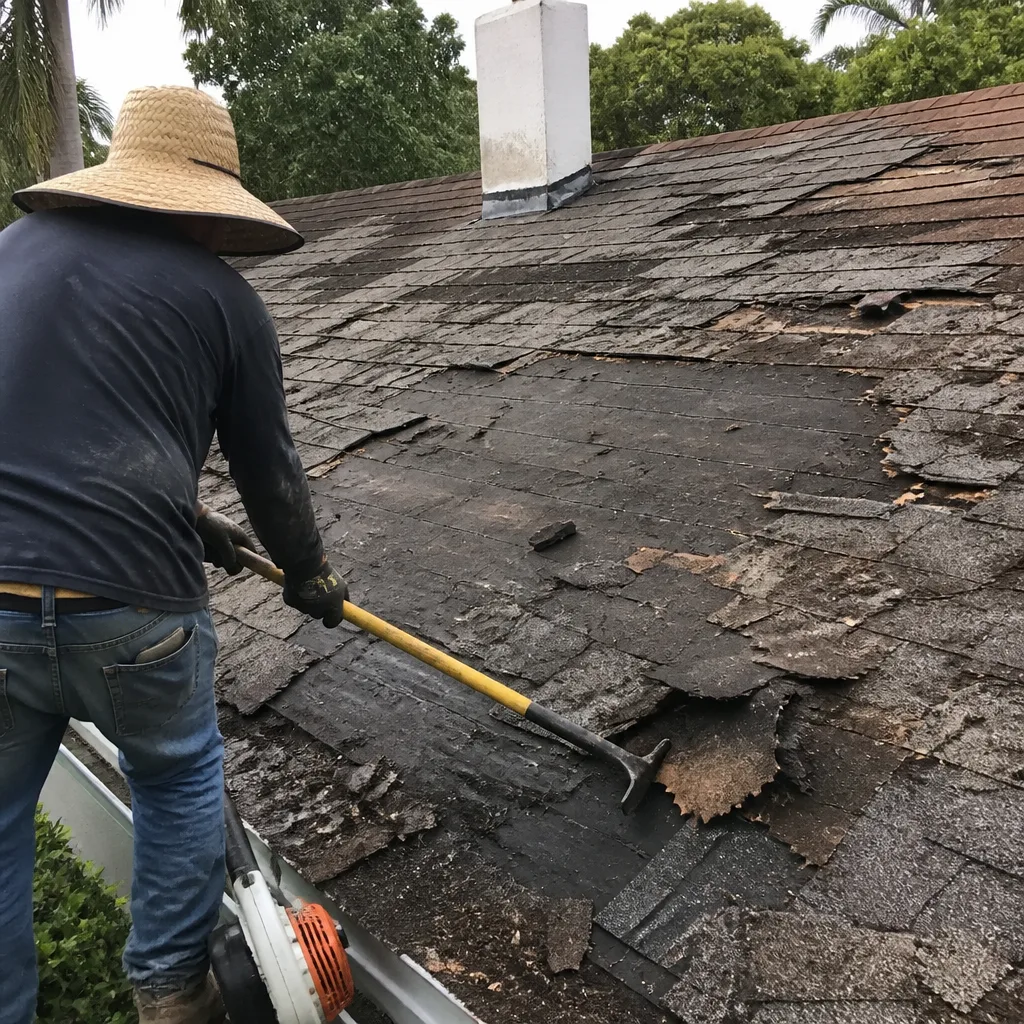 Before
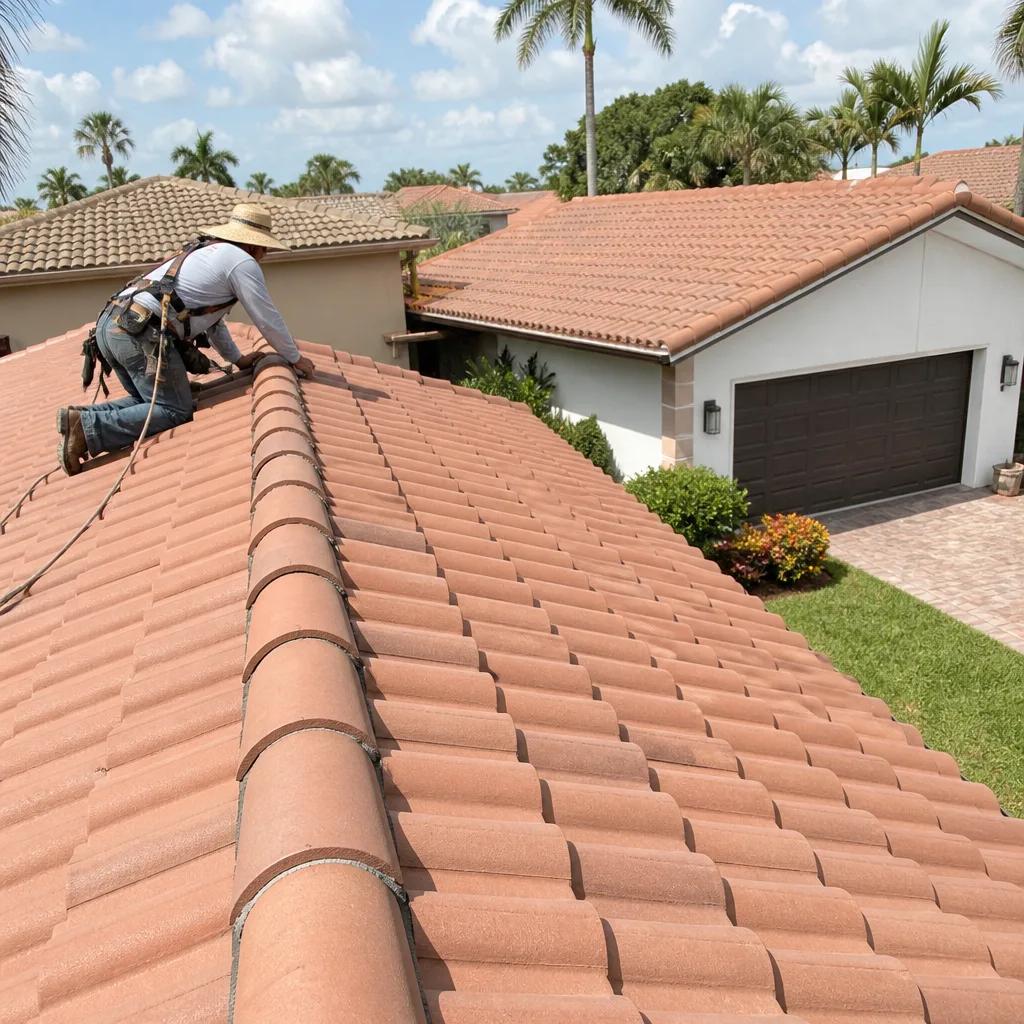 After
After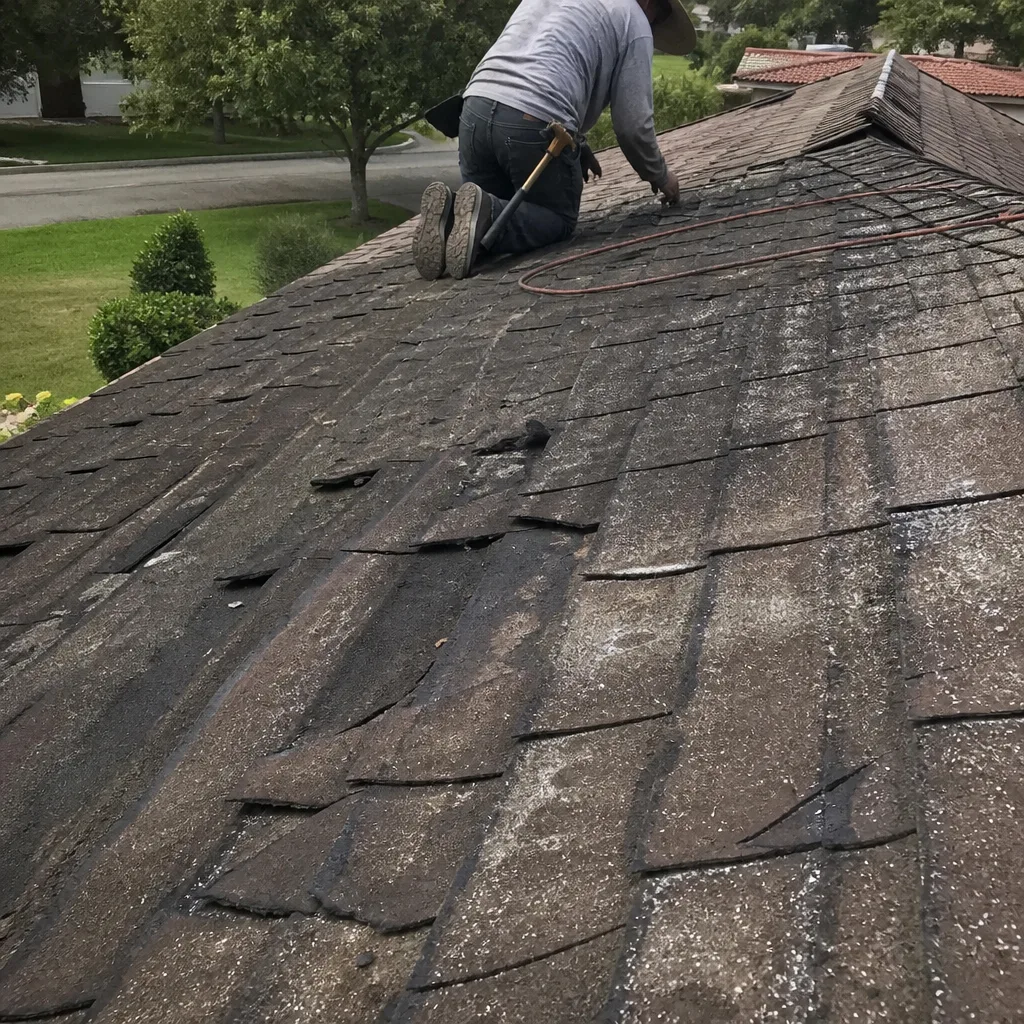 Before
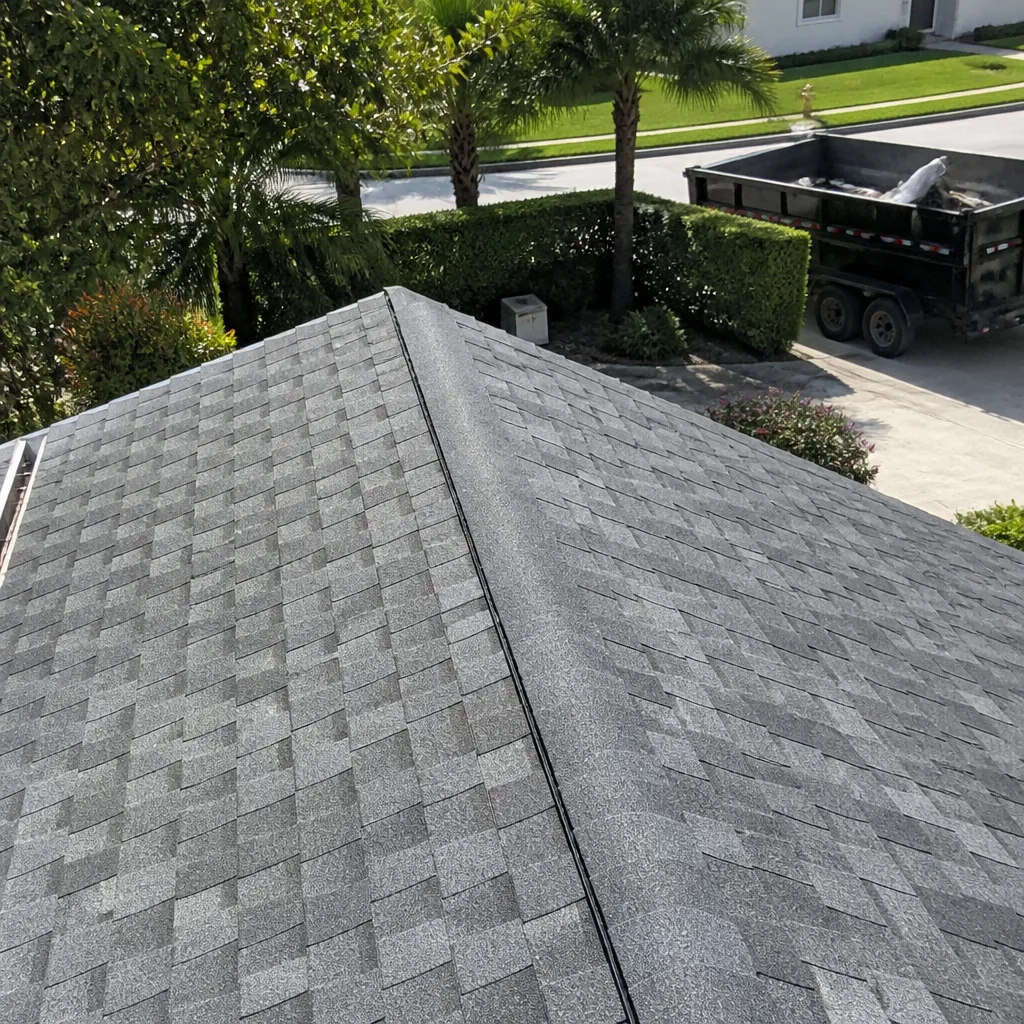 After
After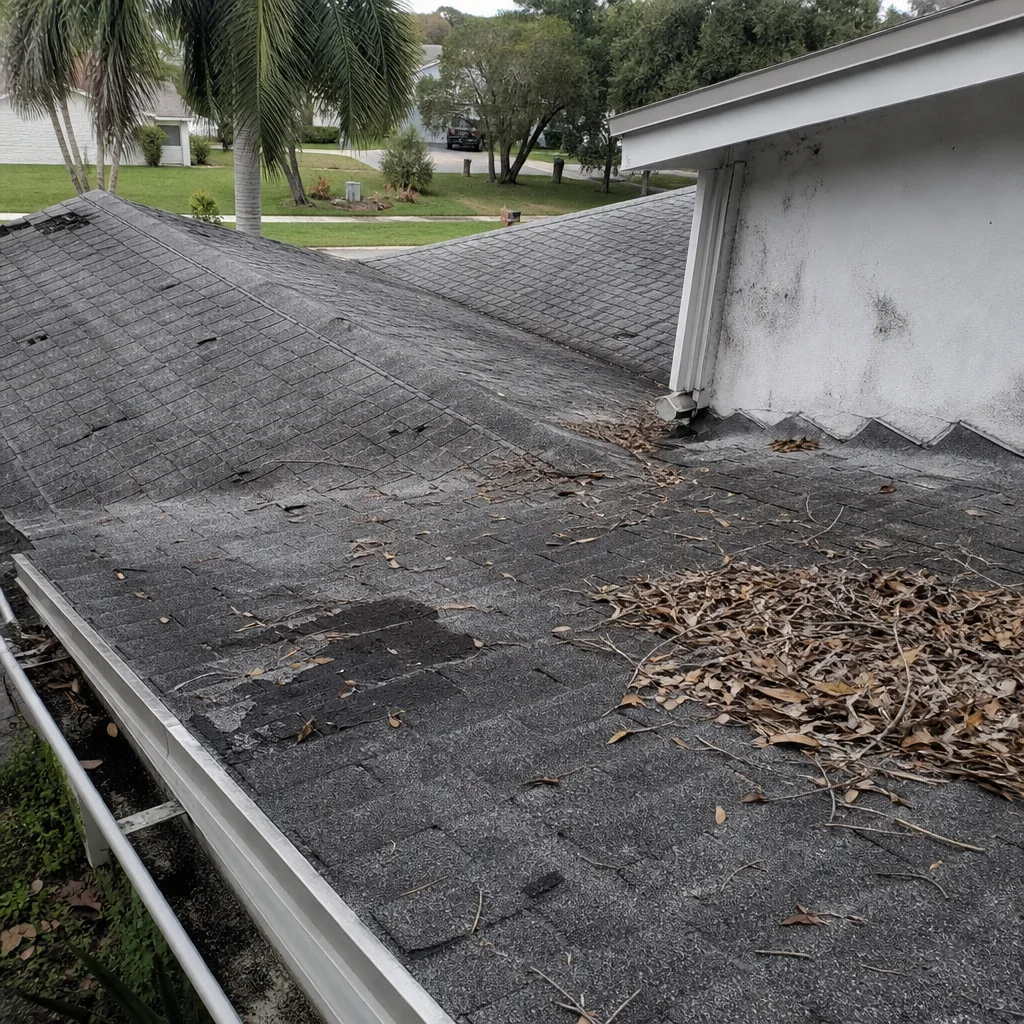 Before
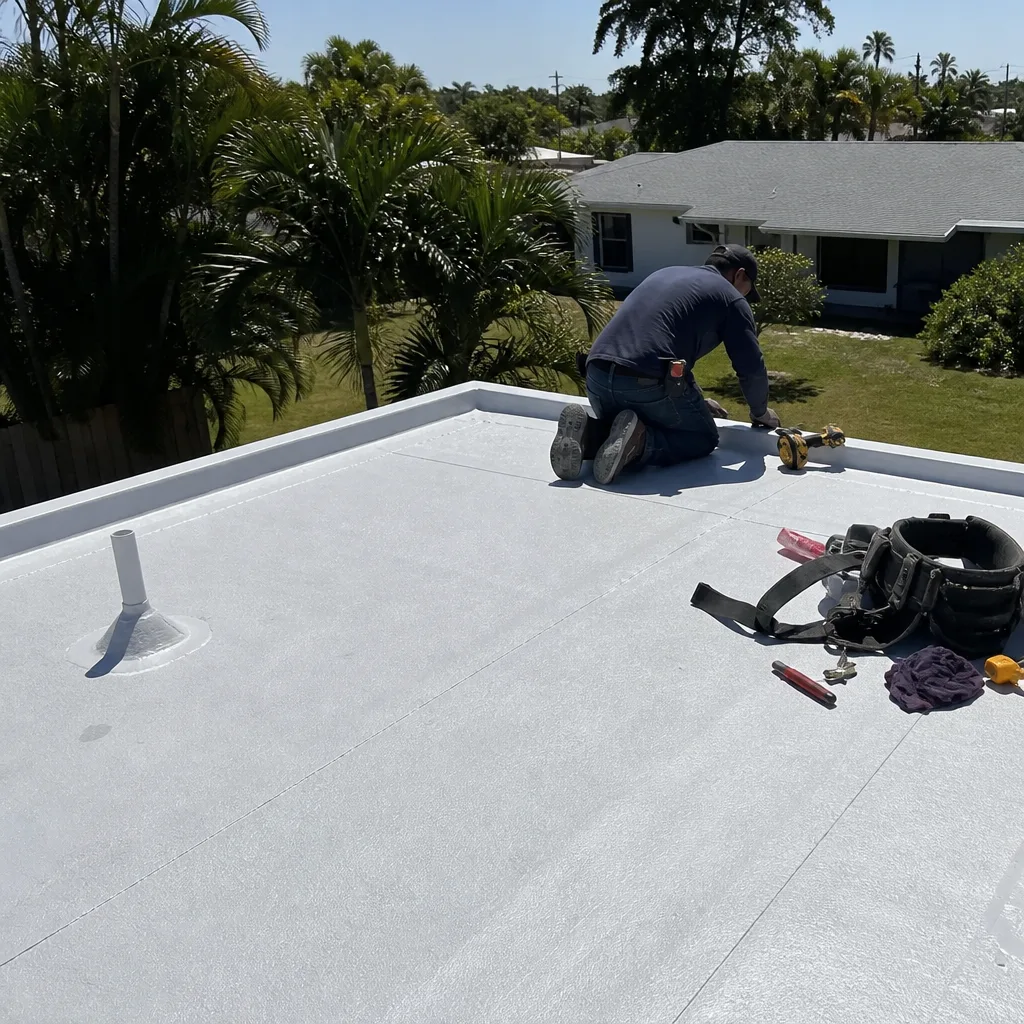 After
After