
Last updated October 17, 2026
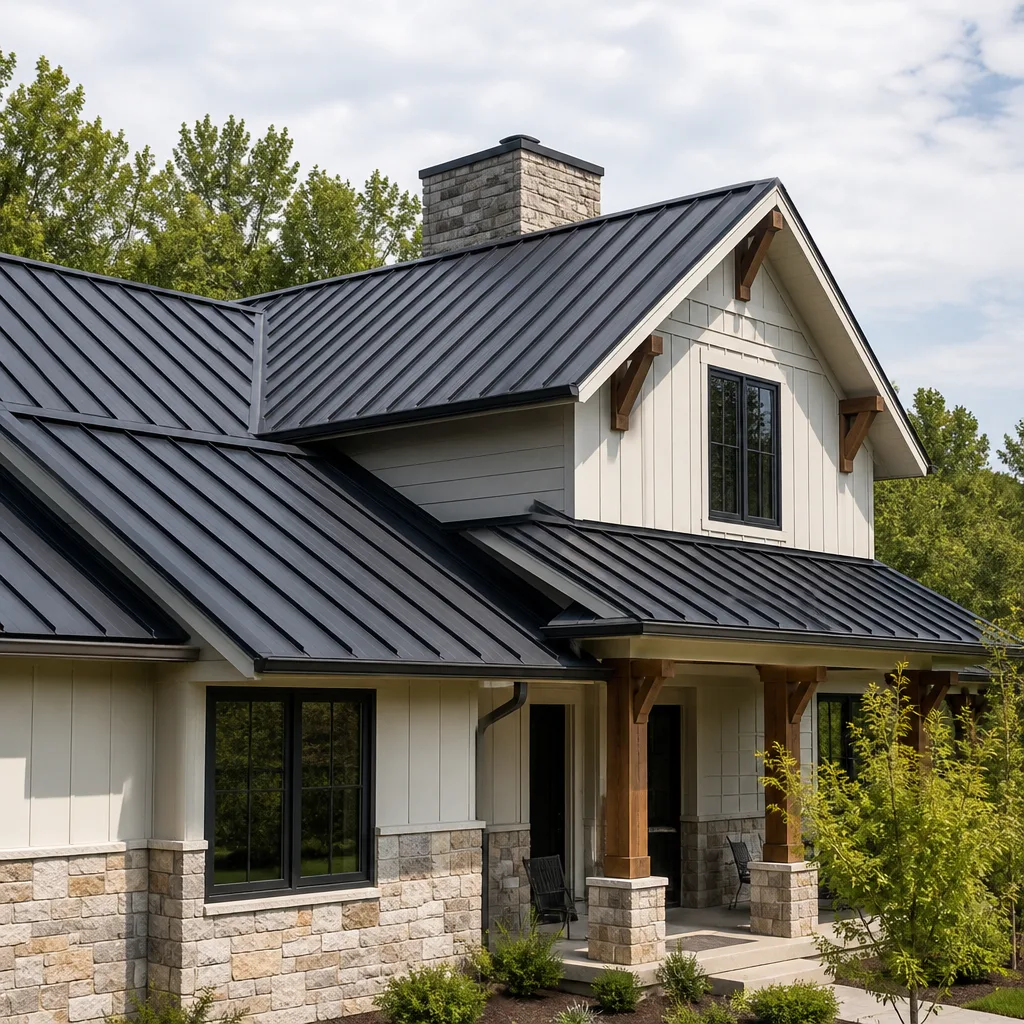 Metal roofing
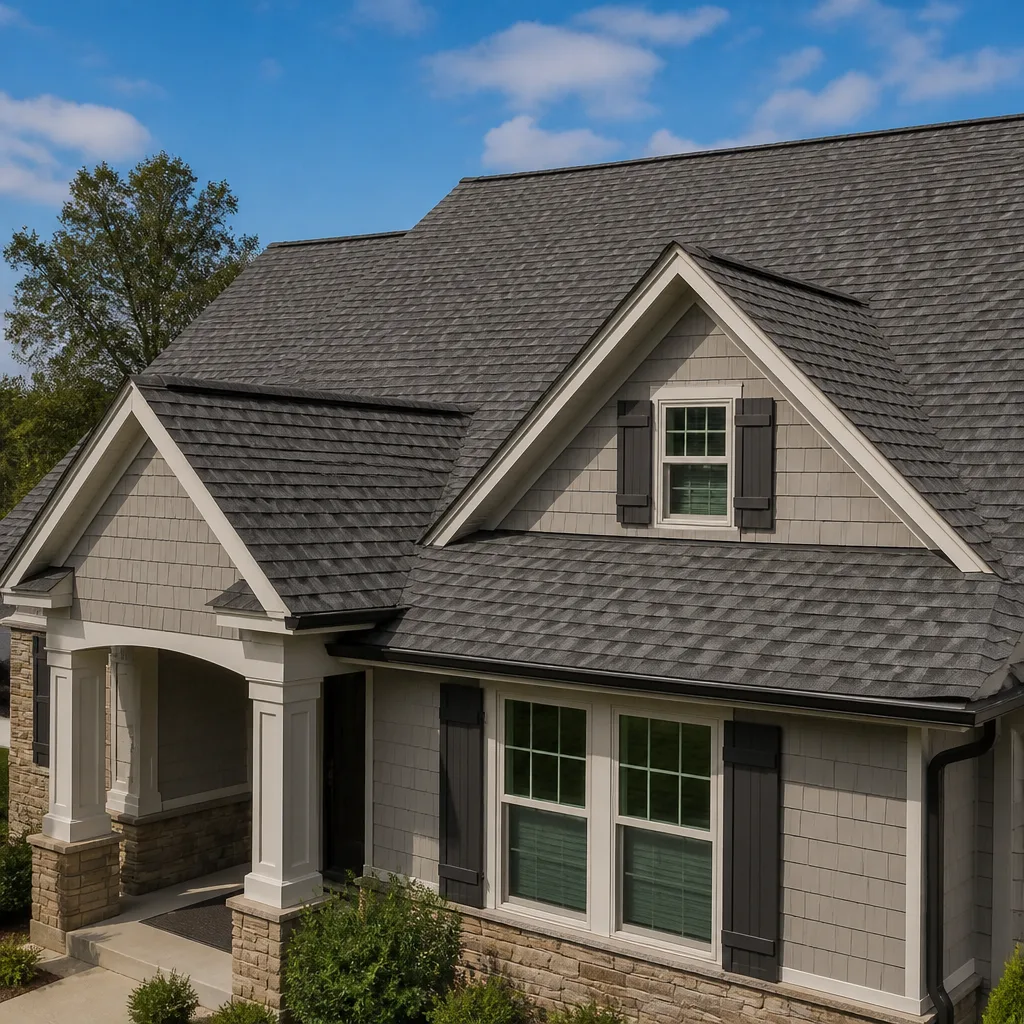 Architectural shingles
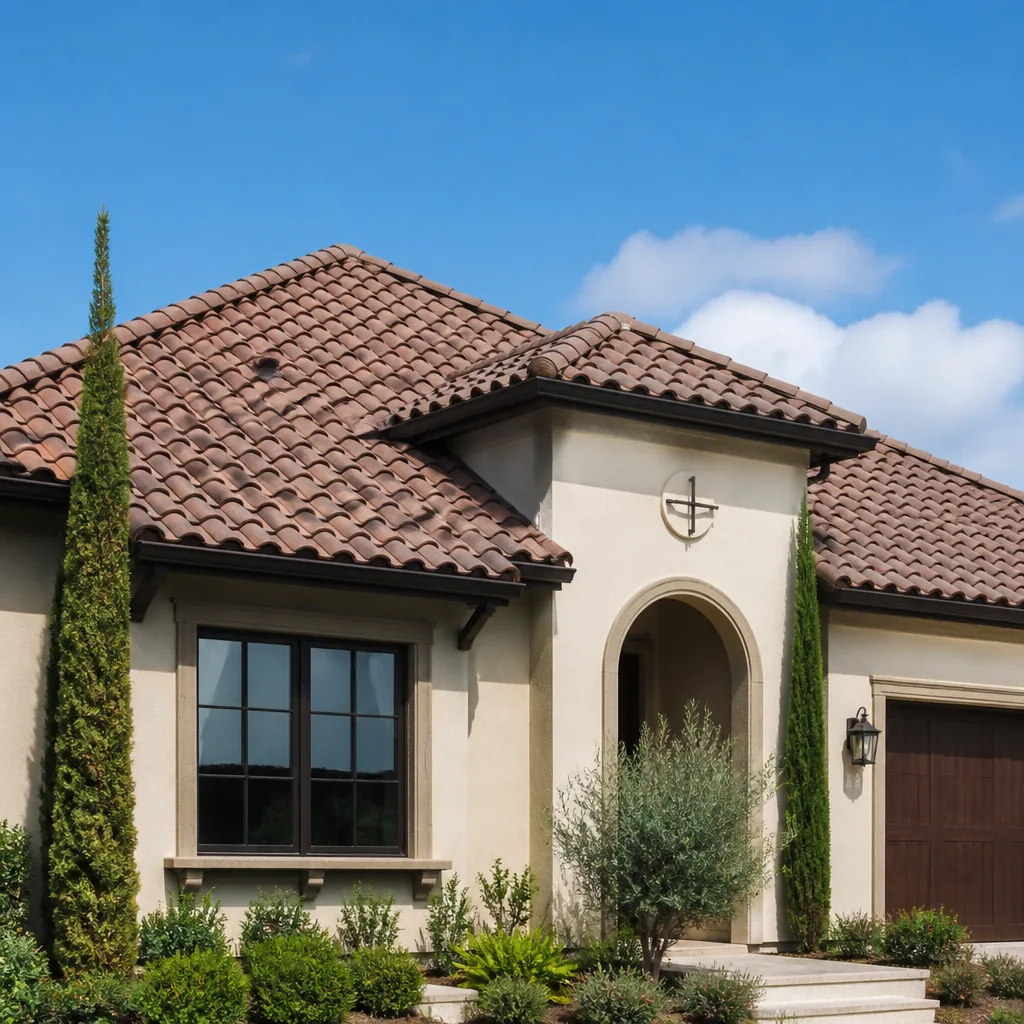 Tile roofing
 GAF
GAF Owens Corning
 Flat & low-slope
Free roof inspection with deck photos before we talk money - GAF and Owens Corning certified installation
DIY vs Professional Roofing: The West Palm Beach Homeowner’s Decision Guide
Here’s a number most homeowners in West Palm Beach never hear until it’s too late: according to the CDC, residential roofing work has a fatality rate of roughly 32 deaths per 100,000 full-time workers per year, making it among the deadliest trades in the country. The homeowner standing on a wet barrel tile at 9 a.m. on a Saturday is not statistically safer than the professional who does this daily. This guide walks through what Florida law actually allows a homeowner to do on their own roof, what it does not, what DIY actually costs once permits and code-compliant materials are included, and how the decision affects your insurance, your home’s resale value, and your body. For related reading, see our Roofing Cost Breakdown: The West Palm Beach Homeowner’s Reference for 2026. We’re writing this from West Palm Beach, where the sun, salt air, and hurricane code make roofing decisions more consequential than in most of the country.
Quick Answer
For any work touching the structural roof deck, underlayment, or more than 25% of the roof surface, a licensed contractor is legally required in Florida and practically required by both your insurance policy and the Florida Building Code. For legitimate maintenance tasks like clearing gutters, trimming overhanging branches, or replacing a single exposed nail with the proper sealant, an experienced homeowner can act safely. See our Roofing Company Maintenance Checklist for West Palm Beach Homeowners for a full list of what’s appropriate to handle yourself. Anything between those two poles is where West Palm Beach homeowners get into trouble, financially and physically.
Styles & brands we work with
Table of Contents
- What Florida’s Owner-Builder Exemption Actually Allows
- The 25% Rule and What It Means in Palm Beach County
- Which Tasks Are Reasonable DIY and Which Are Not
- How Unpermitted or Owner-Performed Work Affects Your Insurance
- The Real Cost of DIY Roofing in West Palm Beach
- Safety and Liability: The Numbers Behind the Fall Risk
- Why West Palm Beach Roofs Are Harder Than They Look
- What a Disciplined Professional Brings That a Ladder Does Not
What Florida’s Owner-Builder Exemption Actually Allows
Florida law is unusual. Under the owner-builder exemption in Florida Statutes Section 489.103(7), a homeowner can pull their own roofing permit and act as their own contractor on their primary residence. No roofing license required. The state views this as a property-rights protection: your house, your choice.
But the same law imposes conditions that most homeowners learn about only when they sign the permit application. The homeowner must complete an owner-builder disclosure statement, sworn and notarized, acknowledging several things. First, that they are personally responsible for the work meeting all Florida Building Code requirements. Second, that they cannot sell the home within one year of completing the work without disclosing to the buyer that owner-performed construction was done. Third, that they understand they are acting as the contractor and assume all liability for the work, including liability to anyone who helps them and gets hurt.
Let’s translate that into plain language. If you pull a roofing permit in West Palm Beach and the work fails inspection, there is no contractor to call back. You are the contractor. The inspector’s correction notice comes to you, and you must fix it yourself or hire someone to fix it. If you hire someone at that point, you’re hiring a contractor to fix the owner-builder’s mistakes, which is a job most licensed roofers approach with skepticism because they don’t know what’s under the visible surface.
The exemption also does not mean the work is exempt from inspection. Palm Beach County requires all permitted roofing work to pass inspection. Failed inspections are public record. They sit on your property file. They come up when an insurer pulls the property’s permit history, and insurers in Florida pull that history more aggressively than almost anywhere else in the country because of the storm exposure.
In our experience at Brennan Roofing Co West Palm Beach home, the homeowners who call us after the owner-builder route typically fall into two groups: those who passed inspection but want someone else to take responsibility for the next repair, and those who failed inspection and now have an open permit and no workable path to close it themselves. The second group’s phone calls are never about the roofing itself. They’re about being stuck.
- Florida’s owner-builder exemption has legal force, but it does not remove code, inspection, or disclosure obligations.
- Pulling the permit makes you the contractor of record, with all the liability that title carries.
- A failed inspection on owner-performed work leaves you responsible for the correction, with no contractor obligated to return.
- The one-year resale restriction is written into the disclosure you sign, not a lawyer’s footnote.
The 25% Rule and What It Means in Palm Beach County
Florida Building Code Section 706.1.1 draws a line that matters more than most homeowners realize: repairs and maintenance covering less than 25% of the total roof surface in any 12-month period do not require a permit, provided the work does not involve structural elements. Replace a few damaged tiles, patch a small section of underlayment that hasn’t failed structurally, replace a section of flashing at a pipe boot, and you’re legally in maintenance territory. Cross the 25% line and the work becomes a reroof, which requires a permit, a licensed contractor, and full inspection.
The 25% figure is not a suggestion. In Palm Beach County, roofers and inspectors calculate it based on the total roof area, not the damaged section. A homeowner who patches their roof repeatedly over the course of a year, each time staying just under the threshold, is still required to count the cumulative area. Multiple small repairs that together exceed 25% within 12 months trigger the same requirements as a full reroof. The county looks at the aggregate.
Here’s the practical version for West Palm Beach. Most single-family homes in the area have roof areas between 2,000 and 3,500 square feet. 25% of that is 500 to 875 square feet. A storm that takes shingles off a single slope can easily exceed 500 square feet. The homeowner who sees “just one slope” as a minor repair is often looking at a legally permitted reroof without knowing it.
What this means for the DIY decision: the exemption matters most for the small stuff. A cracked tile here. A lifted shingle there. A minor leak at a vent pipe. That’s where the law leaves room for a capable homeowner. For anything approaching a slope replacement, the legal path requires more than a ladder and a nail gun.
A note on the materials themselves: repairs in Florida must use materials meeting the current Florida Building Code, including the high-wind fastening requirements that came into force after Hurricane Andrew and tightened further after subsequent storms. The shingles or tiles you use on a repair must match the wind rating requirements for Palm Beach County’s wind zone. Big-box stores sell materials that meet the code, but the homeowner has to know which ones actually do, and the distinction is rarely printed on the shelf tag.
Which Tasks Are Reasonable DIY and Which Are Not
We’re going to be plain about this because a homeowner who knows their limits saves themselves more than any contractor ever will. If you’re considering hiring out, read How to Hire a Roofing Contractor in West Palm Beach: A Step-by-Step Guide first.
Reasonable DIY maintenance (no permit required)
- Clearing gutters and downspouts. In West Palm Beach, leaf litter and palm debris accumulate fast. A clogged gutter sends water back under the roof edge, which is how fascia and soffit rot starts. This is a ladder task, not a roof deck task, and it’s safe for a homeowner with a proper ladder and no fear of heights.
- Trimming tree branches that overhang the roof. Limbs scraping shingles or tiles during wind events cause wear that turns into leaks. Trimming keeps material intact without touching the roof surface itself.
- Replacing an exposed nail with roofing sealant. If a single nail has pulled up and the shingle around it is intact, the correct fix is a dab of polyurethane roofing sealant under the shingle and a broadhead roofing nail reset into the hole. This is a five-minute task, and doing it correctly prevents a leak that would cost hundreds to repair.
- Inspecting from the ground with binoculars after storms. Look for lifted edges, missing tiles, and displaced flashing. You’re not fixing anything; you’re gathering information for the decision about whether to call someone.
- Checking the attic after heavy rain. Water stains on the underside of the roof deck tell you where the leak is entering, which is often not directly above the ceiling stain. This information is gold when you eventually call a roofer.
Work that legally and practically requires a licensed contractor
- Any structural repair to the roof deck. If the plywood or OSB decking is rotted, delaminated, or water-damaged, replacing it means opening the roof system. That’s not maintenance; that’s construction.
- Underlayment replacement beyond a small patch. In Florida, the underlayment is a critical water barrier system, often installed as a secondary water barrier with specific fastening and sealing requirements under the high-velocity hurricane zone provisions. Getting it wrong doesn’t leak immediately; it fails during the next named storm.
- Flashing replacement at the roof-to-wall intersections, chimneys, or skylights. Flashing is where most leaks actually occur, and it’s also where the code has the most specific requirements. Improperly lapped flashing leaks, and the leak travels before it shows up inside.
- Tile or shingle replacement beyond a few units. On a tile roof, walking on the wrong part of a tile puts your foot through it. Tiles are load-bearing only at the overlap points. A homeowner who doesn’t know the tile’s load path will break more tiles than they replace.
- Any work on a roof with a pitch steeper than 6:12. A 6:12 pitch rises six inches for every foot of horizontal run. Steeper than that, and a fall becomes a slide, and a slide ends at the gutter or the ground.
If you’re trying to decide which category your project falls into, the Roof Inspection in West Palm Beach process exists for exactly this reason. An inspection reports on what’s actually happening on the roof, not what it looks like from the driveway, and the report gives you the information you need to make a grounded decision.
How Unpermitted or Owner-Performed Work Affects Your Insurance
Here’s where the DIY savings story falls apart in Florida. Homeowners insurance in this state is more expensive and more scrutinized than almost anywhere else in America, and carriers have built their claims processes around finding reasons to deny coverage. Unpermitted or owner-performed roofing work is one of the cleanest reasons they have.
Standard homeowner policies in Florida include language requiring that repairs and modifications be performed in compliance with applicable building codes and, where required, be permitted and inspected. If you file a claim for a leak and the insurer’s adjuster traces the leak to a repair you made yourself without a permit, the claim is denied. Not partially paid. Denied. The denial letter references the policy’s “concealment, misrepresentation, or fraud” provision or the code-compliance provision, and you now have a denied claim on your record, which makes your next renewal more expensive or nonrenewable.
Insurers in Florida also routinely pull permit history when evaluating new business. If they see owner-builder roofing work within the past five years, they often require a full roof inspection by a licensed contractor before they’ll bind coverage, and even then they may exclude wind or water damage caused by that work. Some carriers will not write a policy at all on a home with unpermitted roofing work recorded. The homeowners who learn this at renewal time are the ones who suddenly cannot find coverage in a state where options were already narrow.
The one-year resale disclosure is where the insurance problem meets the housing market. If you sell within a year of owner-built work, you must disclose it. The buyer’s lender may require proof that the work was permitted and inspected. The buyer’s insurer may decline coverage or increase premium. Your $3,000 in apparent savings on a DIY reroof can cost you $10,000 in sales price leverage when the buyer’s agent uses the disclosure to negotiate, and you have no contractor to stand behind the work.
There’s also the liability dimension for the people who help you. If a friend or relative helps with your DIY roofing project and falls, your homeowner policy’s medical payments coverage may apply, but the policy’s liability protection typically excludes injuries arising from construction activity you perform as your own contractor. The person who fell is your friend, their medical bills are their problem, and their lawyer’s letter is addressed to you personally.
The Real Cost of DIY Roofing in West Palm Beach
The appeal of DIY is the number: “I can do it for the cost of materials.” That number is wrong in ways that show up on a receipt.
A proper comparison for a partial reroof on a 2,200-square-foot single-story home in West Palm Beach, approximately 1,200 square feet of roof surface, looks like this:
| Cost Line Item | DIY (Owner-Builder) | Licensed Contractor |
|---|---|---|
| Permit application fee (Palm Beach County) | $150 – $400, paid by homeowner | Included in contract price |
| Materials meeting current Florida Building Code (underlayment, shingles or tiles, fasteners, sealants, flashing) | $1,200 – $2,400 retail | Often lower due to trade accounts; included in contract |
| Tool rental or purchase (air compressor, nail gun, ladder, safety harness, fall protection anchors) | $200 – $600 | Included |
| Disposal of old material (dump trailer rental or hauling service) | $150 – $400 | Included |
| Time (2 – 4 full weekends for an experienced homeowner) | $0 in cash, 40 – 80 hours of your time | 1 – 3 days |
| Failed inspection re-fee (if applicable) | $75 – $150 per re-inspection | Contractor’s responsibility |
| Correction of mistakes found at inspection | $200 – $1,000+ | Not applicable |
| Workmanship warranty | None | In writing, minimum required by law plus contractor’s own guarantee |
The gap narrows quickly. The DIY path can save between 35% and 55% of the direct cash cost, and sometimes less once tooling, disposal, and inspection re-fees land. What you give up in exchange for that savings is the complete transfer of liability, the warranty, and the hours of your life. In West Palm Beach, the heat alone makes roof work miserable: a tile roof surface in August reads 140 degrees or more. Working in those conditions is how mistakes happen and how falls happen.
We’ve seen this enough times that the pattern is consistent. The homeowner starts with a materials receipt and a weekend plan. By the third weekend, the permit is open, the inspection is pending, the weather has shifted twice, and the savings figure has stopped being the point. The point becomes getting out of the situation. Whatever the stated saving is, the questions to ask before starting are: what does the permit cost, what do code-compliant materials cost at retail, what does the tooling cost, and who pays when the inspection fails. If you cannot answer all four, you’re not comparing numbers. You’re comparing a fantasy to a quote.
Safety and Liability: The Numbers Behind the Fall Risk
Roofing is not ladder work. It’s elevated work on a sloped, sometimes fragile surface, often in heat, often after a storm when the material is wet or loose. The numbers tell the story plainly.
The Bureau of Labor Statistics reports that roofers have one of the highest fatal injury rates of any occupation, around 47 per 100,000 workers in recent years. The leading cause of death is falls from roofs, ladders, and scaffolding. Falls from roofs account for the majority. Most falls happen from heights under 30 feet. A residential roof in West Palm Beach is typically between 10 and 25 feet at the eaves, which is exactly the range where the body has enough time to accelerate and not enough time for a soft landing.
Nonfatal injuries are more common and barely less serious. Fractures, spinal injuries, traumatic brain injuries. The recovery changes a person’s life. The homeowner who falls off their own roof is not covered by workers’ compensation because there is no employer. Their health insurance covers some costs, but the lost time from work, the deductibles, the physical therapy, the permanent limitation, those are not billable to anyone but themselves.
Then there’s the liability for people helping. A neighbor offers to hold the ladder. A son-in-law helps carry shingles. If either is injured, the homeowner’s policy has language excluding injuries arising from construction activities the homeowner performs. This is not a theoretical risk; it’s standard policy language in Florida forms. The homeowner in this scenario is personally exposed to the injured person’s medical costs and lost wages. The saved labor cost disappears in the first hour of a hospital stay.
One more West Palm Beach-specific factor: the summer heat. Heat exhaustion impairs judgment and balance before the person realizes it. A homeowner working on a roof in August is not making the same decisions they’d make in February. Roofing contractors in Florida schedule around heat, start before dawn in the summer months, and train their crews on heat illness recognition. The homeowner who starts at 10 a.m. on a Saturday is starting at the worst time in worst conditions.
If you do any roof work yourself, the minimum non-negotiable equipment is a proper safety harness tied to a rated roof anchor, a ladder secured at the base and top, non-slip footwear, and a second person on the ground. Anything less, and the risk isn’t reduced; it’s transferred to your family and your future income.
Why West Palm Beach Roofs Are Harder Than They Look
West Palm Beach roofing is not the same as roofing in Ohio or even in central Florida. The specific conditions here change what works, what lasts, and what fails.
First, the wind. Palm Beach County sits in a high-velocity wind zone. The Florida Building Code requires roof materials and fastening methods rated for the wind speeds this area sees in named storms. Fastener patterns, roof deck attachment, and even the type of underlayment are specified. A roof that looks identical to one in Georgia is not identical, because the fastening underneath is different. The homeowner who learns roofing from a YouTube video filmed in North Carolina is learning a different standard than the one that applies to their house.
Second, the salt air. The Atlantic is two miles away. Salt accelerates corrosion on fasteners, flashing, and any metal component. The right fastener in Ohio is a galvanized nail; the right fastener in West Palm Beach is often stainless steel or another corrosion-resistant material. Use the wrong metal and the nails fail before the shingle does.
Third, the heat and UV. A roof surface in West Palm Beach endures more annual UV exposure than most of the country, which ages underlayment and sealants faster. The products that perform well here are selected for UV stability and heat resistance. That’s a materials decision, not just a labor decision.
Fourth, the permitting reality. Palm Beach County’s permitting and inspection regime is active and specific. The inspector will check the fastening, the underlayment, the flashing, the drip edge, and the final water-shedding surface. The inspection is not a formality; it’s a code enforcement checkpoint. A competent roofing contractor has passed hundreds of these inspections. A first-time homeowner has passed none.
Fifth, the age and style of the housing stock. West Palm Beach includes a mix of Mediterranean Revival tile roofs, mid-century barrel tile, asphalt shingle suburban homes, and flat or low-slope roofs on some older structures. Tile roofs are a specialized system; walking on them wrong breaks tiles, and the broken tile you replace today leaks tomorrow because you cracked the one next to it. The roof type changes the difficulty dramatically, and the homeowner who doesn’t know which roof type they have is not ready to work on it.
If you’re evaluating any of this for your own roof, the Roofing Company in West Palm Beach page walks through what a full professional evaluation looks like in this market.
What a Disciplined Professional Brings That a Ladder Does Not
We’ve spent this guide explaining the law, the insurance reality, the cost math, and the safety numbers. Now we’ll say directly what a disciplined professional brings that no amount of homeowner effort can replicate: the responsibility transfers.
When Brennan Roofing Co West Palm Beach performs a repair or replacement, the responsibility for the work meeting code rests with us. The inspection failures, if they ever happen, are ours to fix. The liability for a worker falling off the roof is covered by our insurance, not the homeowner’s personal exposure. The warranty is in writing, for one full year, with a free return visit at no charge if the repair or installation fails within that period. That’s the 365-Day Done Right Promise, and it’s the difference between a roof and a bet.
In West Palm Beach, that transfer of responsibility matters more than in most markets because the failure modes here are more consequential. A roof that fails in a named storm doesn’t just leak; it compromises the home’s structural envelope while the water is being driven sideways. The homeowner who saved $2,000 on a DIY repair absorbs that entire loss themselves. The homeowner who hired a licensed contractor has someone to call, and in this market, that someone is bound by law to stand behind their work.
We’d also be direct about what discipline looks like in practice. It’s a written price before any work starts, not an estimate that shifts at the door. It’s a background-checked, uniformed technician on every job, so you know exactly who is on your roof. It’s a live person answering the phone around the clock. It’s materials sourced from manufacturer lines like Owens Corning, IKO, and Atlas, explained plainly so you can choose with confidence. It’s the same standard on every job, not the best behavior reserved for big contracts.
Common Mistakes to Avoid
- Counting only the materials cost. Permit fees, code-compliant materials, tooling, disposal, and inspection re-fees are real line items. If they’re not in your comparison, your comparison is wrong.
- Underestimating the 25% threshold. In Palm Beach County, repairs totaling more than 25% of roof area in 12 months are a reroof, regardless of how the homeowner labels the work. The county looks at the aggregate.
- Ignoring the one-year resale disclosure on the owner-builder affidavit. You signed it, it’s real, and it becomes a negotiating weapon for the buyer’s agent the moment you list the home.
- Doing any work over a 6:12 pitch without fall protection. The roof doesn’t care how experienced you feel. Gravity is consistent. Most roofing fatalities happen under 30 feet, and that’s exactly where residential eaves sit.
- Filing an insurance claim on a repair you did yourself. The claim will be investigated, the repair will be traced, and the denial will reference your own work. The claim history follows you to your next carrier.
- Working on the roof in summer heat without a second person on the ground. Heat illness affects judgment before you notice symptoms. The person on the ground is the one who calls the ambulance, and the ambulance matters.
- Assuming a “small leak” is a small repair. Water travels. The stain on the ceiling is rarely directly under the entry point. Treating the visible stain without finding the actual leak means the real leak continues while you patch the wrong spot.
See the difference
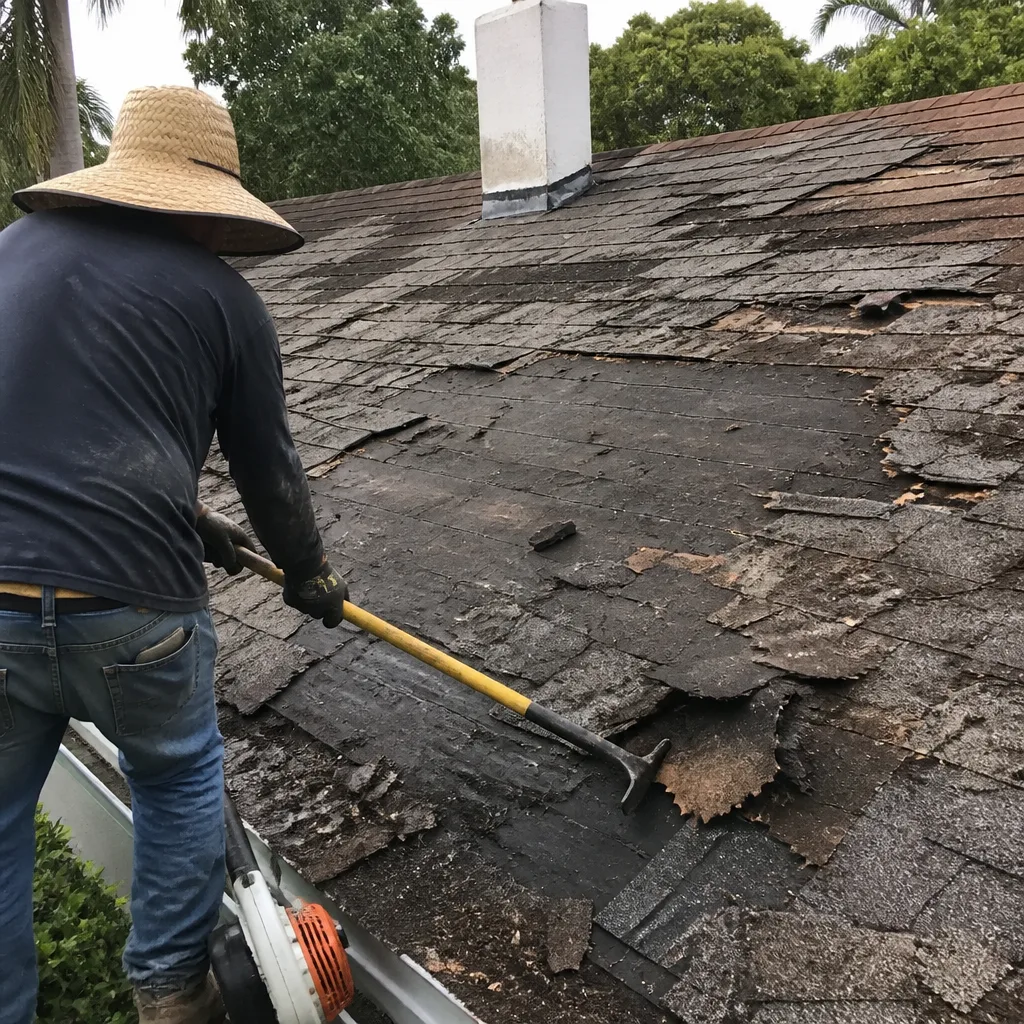 Before
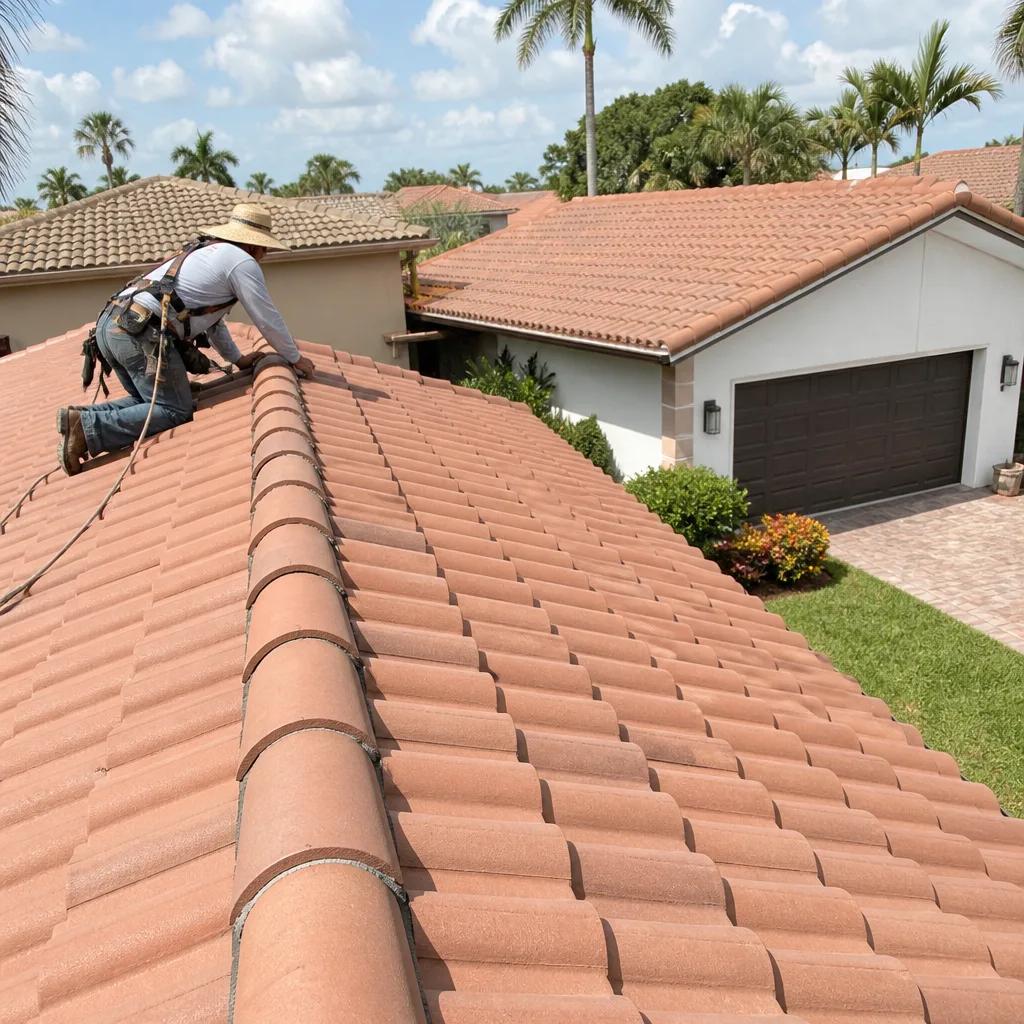 After
After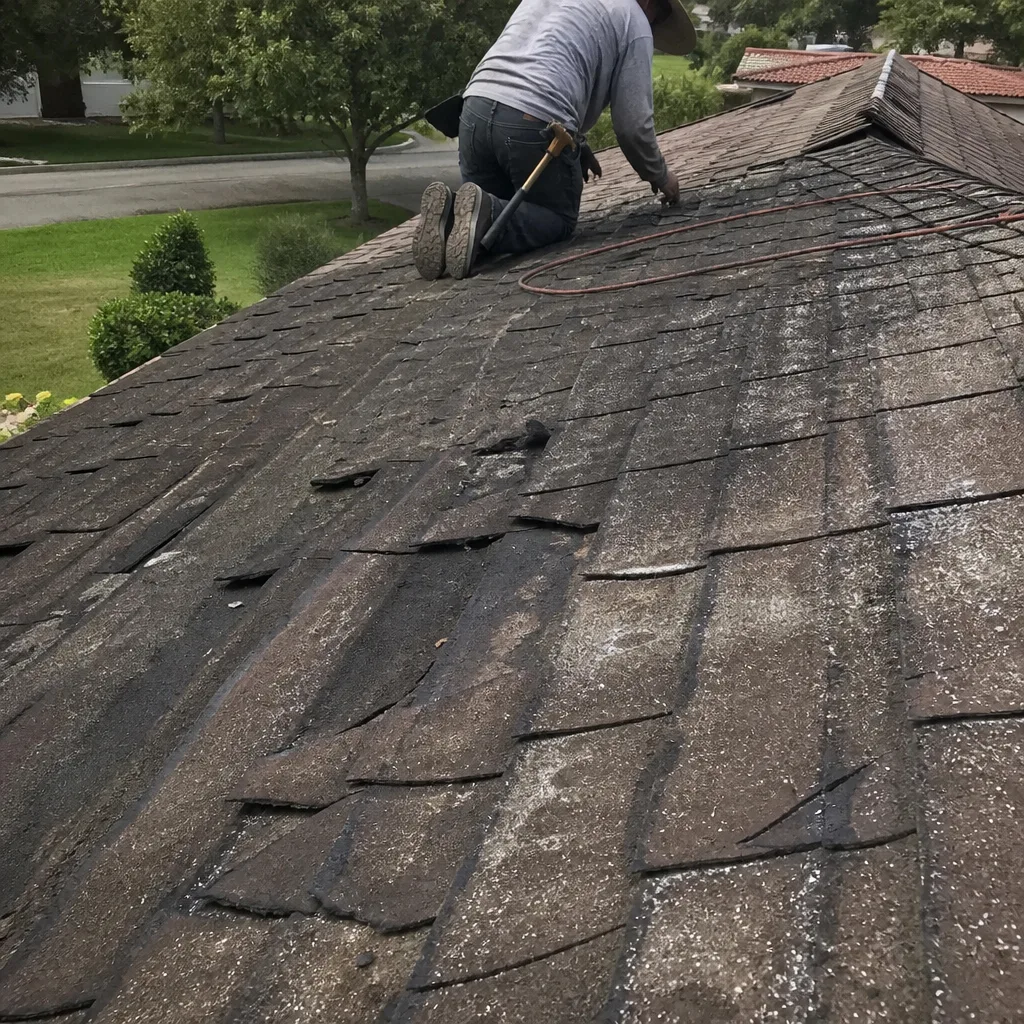 Before
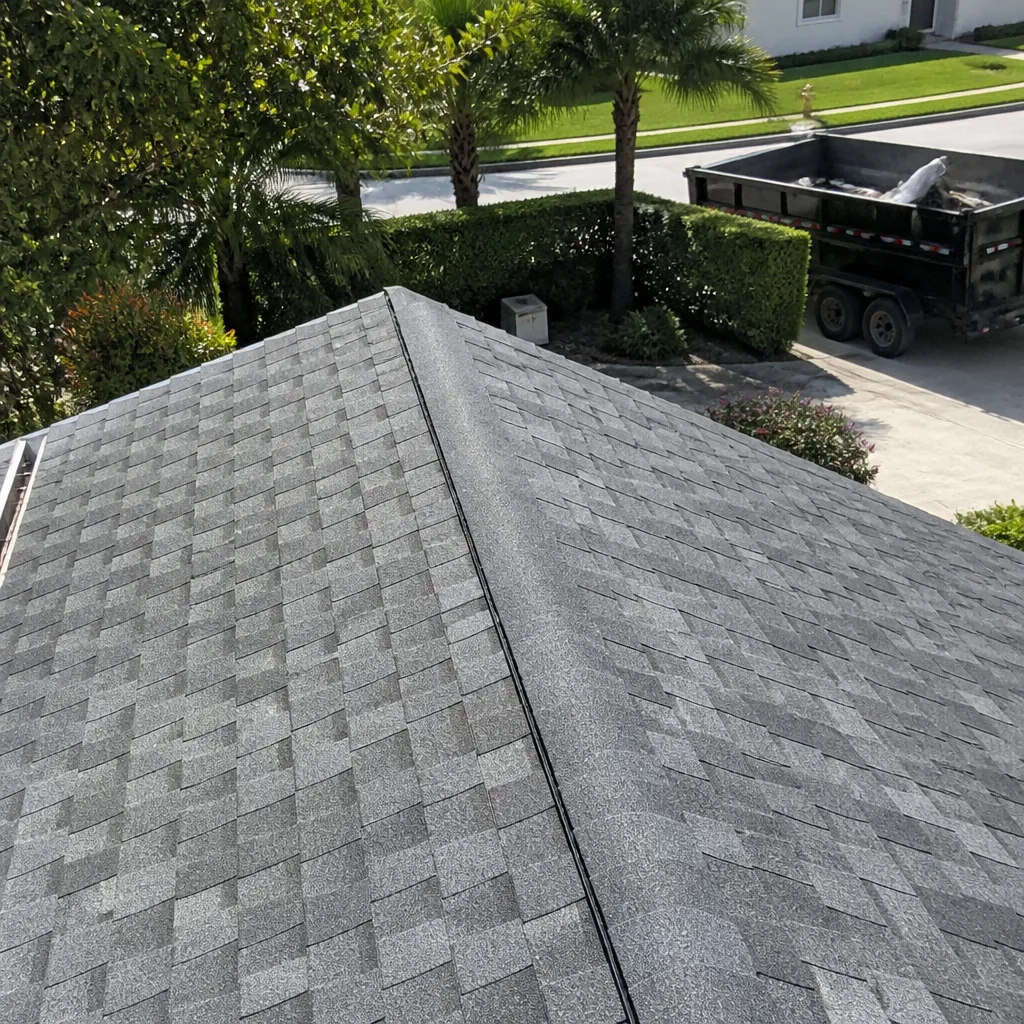 After
After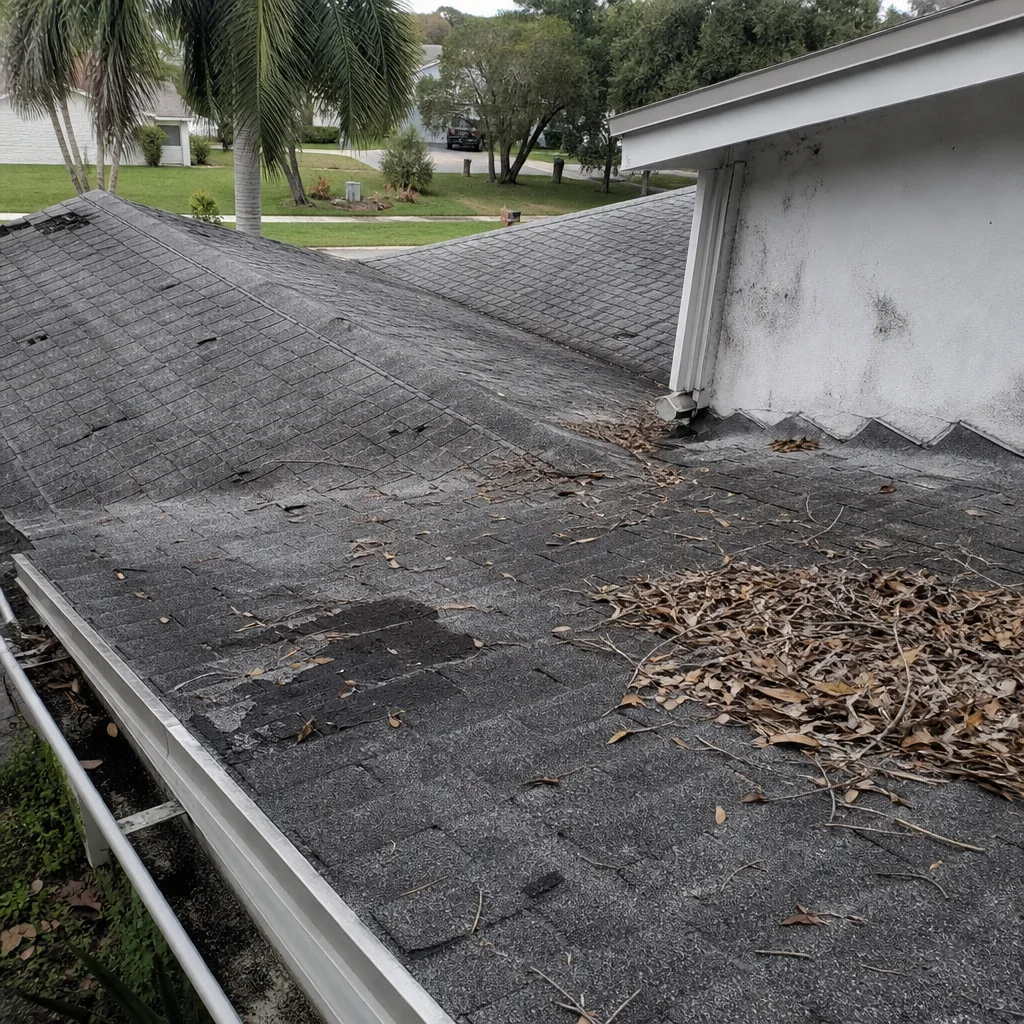 Before
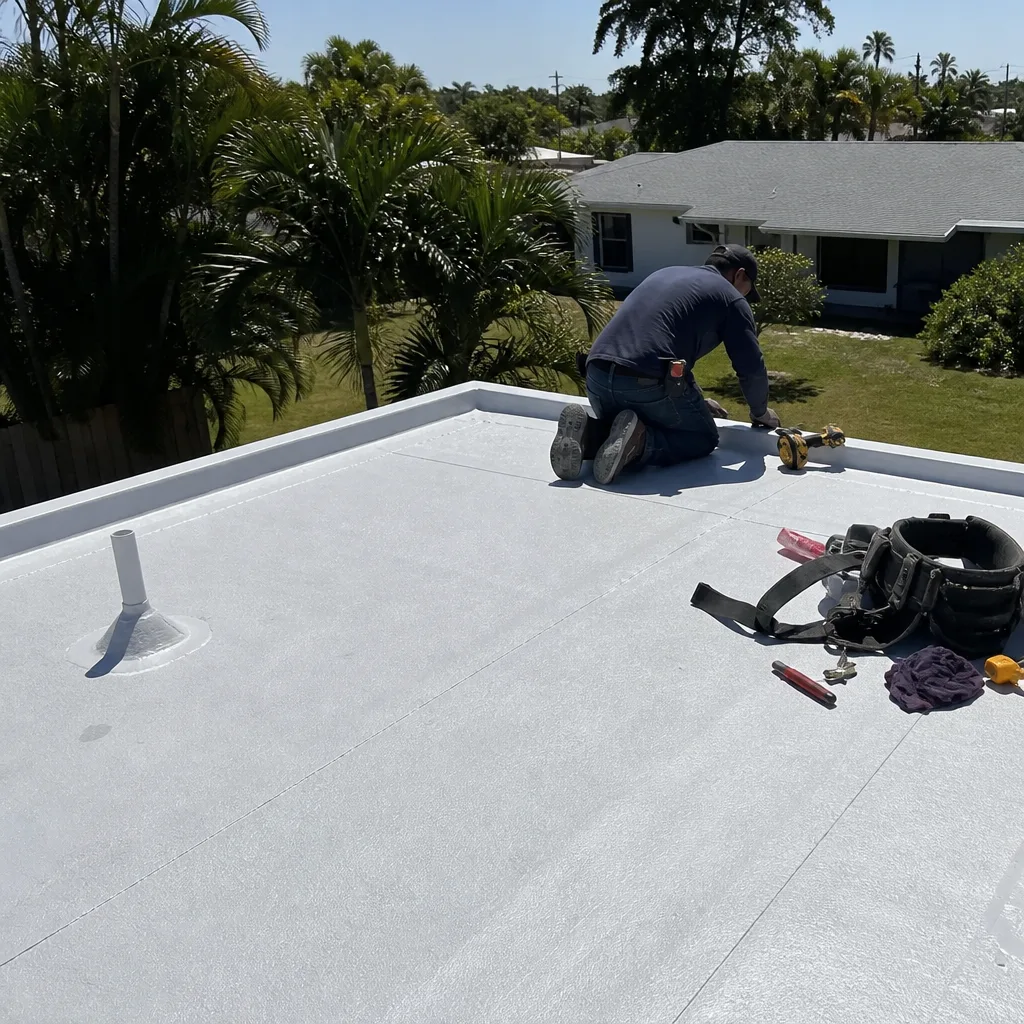 After
AfterWhen to Call a Professional
Call a licensed contractor when the work touches the roof deck, underlayment beyond a small patch, flashing at intersections, or any portion of the roof surface totaling more than 25% of the roof area in 12 months. For more guides & resources on protecting your home, visit our blog. Call when your insurance company asks for a roof certification before renewal. Call when the roof leaks and you cannot see the entry point from inside the attic. Call when the roof is tile and you’ve never walked tile. Call when the weather has been hot and the roof has been leaking and the weekend you planned to fix it is the only weekend you’ve had off in a month. That last one matters more than it sounds.
In West Palm Beach, a roofer who offers free estimates makes the professional decision costless. Brennan Roofing Co West Palm Beach offers free estimates and a written price before any work starts. Call (728) 203-3066 to schedule yours. The estimate tells you what the work will cost, what the permit requires, and what the warranty covers. You can decide after you have the numbers in hand.
Frequently Asked Questions
Yes, Florida’s owner-builder exemption allows a homeowner to act as their own contractor on their primary residence, including roofing, but the law still requires permits, code compliance, inspections, and a signed disclosure acknowledging personal liability and a one-year resale restriction. The exemption removes the license requirement; it does not remove any other requirement.
Minor repairs in West Palm Beach typically run $300 to $800. Moderate repairs involving flashing replacement or underlayment patches run $800 to $1,800. A partial reroof starts around $3,000 and a full reroof on a typical single-story home runs $12,000 to $22,000 depending on roof type, pitch, and material. These are the ranges we see in this market. For an exact figure on your roof, call (728) 203-3066. Estimates are free.
Coverage depends on the cause of the damage, the age and condition of the roof before the storm, and whether prior repairs were permitted and code-compliant. Wind and hail damage is covered under most policies, but the insurer will investigate the claim, and they will pull the permit history. If they find unpermitted owner-performed work related to the damage, the claim can be denied.
Florida Building Code requires a permit and a licensed contractor for any repair or replacement exceeding 25% of the total roof area within any 12-month period. Repairs under 25% may be performed without a permit, provided they do not involve structural work. Palm Beach County enforces this threshold using the aggregate of all repairs in the period, not just the current project.
If the shingle replacement covers less than 25% of the total roof surface and does not involve structural elements, no permit is required. If the replacement exceeds 25% of the roof area, the work becomes a reroof under Florida Building Code and requires a permit, a licensed contractor, and inspection. The threshold is calculated on the total roof area, not the damaged section.
Yes, but if you did the work as an owner-builder, you signed a disclosure that prohibits selling the home within one year without disclosing the owner-performed work to the buyer. The disclosure is mandatory, and it gives the buyer’s lender and insurer reason to scrutinize the roof. Most homeowners who sell within that year find the buyer’s agent uses the disclosure as leverage in price negotiation.
The correction notice comes to you, because as owner-builder, you are the contractor of record. You must correct the work and schedule a re-inspection, paying the re-inspection fee. If you cannot correct the work yourself, you must hire a licensed contractor, and the cost of the correction is yours. There is no contractor obligated to come back, because there was no contractor in the first place.
For small maintenance tasks like clearing gutters, trimming overhanging branches, and replacing a single exposed nail, DIY is reasonable and worth the time. For anything touching the roof deck, underlayment, flashing, or more than 25% of the roof surface, the savings disappear against the permit, inspection, insurance, liability, and resale realities specific to Florida. In most cases, the professional quote is cheaper than the DIY outcome.
The Bottom Line
In West Palm Beach, the DIY vs. professional roofing question is not really about whether you can swing a hammer. It’s about whether you want to be the contractor of record, the liable party, the warranty provider, and the person the insurance company calls when something goes wrong. Florida law gives you the right to do your own roofing work, but it gives you none of the protections that come with hiring a licensed contractor. For the small stuff, do it yourself and save the money. For the structural stuff, underlayment, flashing, and anything over 25% of the roof, get a Roof Repair in West Palm Beach estimate and compare the real numbers. The written price tells you what the job costs. The warranty tells you what it’s worth.
Written by Travis Oakley, Owner at Brennan Roofing Co West Palm Beach, serving West Palm Beach since 2000.